
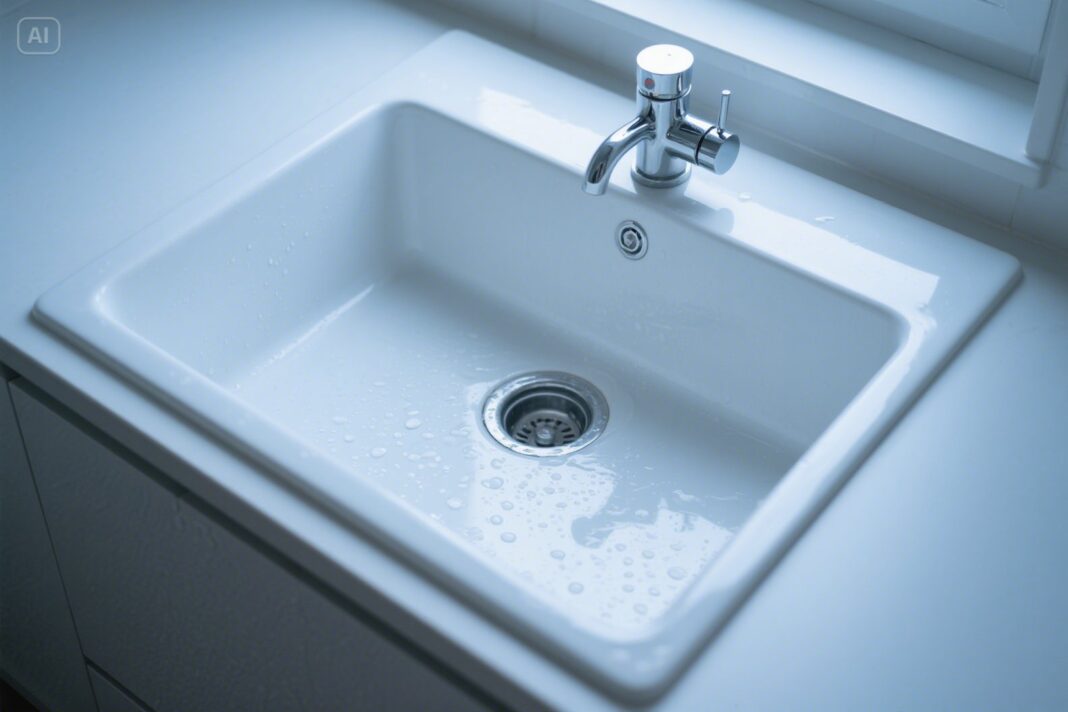

There’s something especially frustrating about a kitchen sink that won’t cooperate. It’s not just inconvenient—it actively disrupts daily life. One minute you’re rinsing vegetables, the next you’re ankle-deep in water that refuses to budge, staring at a pool of grease-stained soap bubbles that looks like it might never drain.
When your sink keeps backing up, it doesn’t just affect dinner prep or washing up. It signals a plumbing system under stress—possibly a blockage forming somewhere deeper, or a pattern of buildup that’s finally reached its tipping point. And as tempting as it is to just pour some chemicals down and hope for the best, the truth is, repeat sink backups rarely resolve themselves without a bit of deliberate action.
Identifying The Real Cause Behind The Blockage
Most kitchen sink backups follow a predictable pattern. Things start slowing down, you ignore it for a while, then suddenly—nothing moves. But what’s actually causing that water to linger?
The usual suspects are food scraps, grease, and soap residue. Over time, these substances stick to the inner walls of the pipes, narrowing the passageway. The more narrow it becomes, the easier it is for larger debris to catch and start a full-on clog. And if your plumbing includes tight bends or older pipes, you’re working with an even more vulnerable system.
But it’s not always what goes down the sink in your kitchen. In shared buildings or connected drainage networks, a neighbour’s poor disposal habits can contribute to your problems. That’s when locating the blockage becomes less about guesswork and more about diagnostics.
In these cases, the most effective route is professional support—specifically for resolving persistent sink backups. These aren’t just routine annoyances; they’re often the visible tip of a much bigger plumbing iceberg. Getting expert help means identifying the true blockage point (which may be well beyond your U-bend), and clearing it without damaging the pipework or pushing the problem further downstream.
When DIY Stops Working (And Why That Happens)
There’s no shame in trying the basics. A plunger, boiling water, a bit of baking soda and vinegar—these are all sensible first steps. But if you find yourself doing the same thing every few weeks, it’s probably not a one-time clog you’re dealing with. It’s a recurring issue that DIY methods won’t fix long-term.
Store-bought drain cleaners are a common go-to, but they often cause more harm than good. While they may dissolve soft organic material in the short term, they can’t tackle harder obstructions like mineral deposits or compacted grease. Worse still, repeated use of chemical products can weaken or corrode certain types of pipes—particularly in older properties.
Read More: Ways Small Water Leaks Escalate into Major Home Issues
Then there’s the ever-popular pipe disassembly method. Unscrewing the U-bend and poking around with a coat hanger might feel productive (and occasionally is), but it only works if the blockage is right there—and if you’re confident reassembling your plumbing after the fact.
So when none of that gets results, the problem is likely further down the line, or layered with materials too dense for home remedies. That’s when the “backing up” stops being a nuisance and starts being a plumbing red flag.
Prevention Is Maintenance, Not Just Luck
It’s easy to think of sink blockages as occasional flukes, but most of them stem from consistent patterns. Grease being poured down the sink because it’s liquid while hot. Coffee grounds being washed away because they seem small. Food bits being left in the strainer “just for now.” It’s these habits that build the perfect storm over time.
Prevention isn’t glamorous, but it works. Scraping plates into the bin, using sink strainers properly, and pouring leftover oils into containers instead of the drain can dramatically reduce buildup. Running hot water through the pipes after heavy use helps too—especially after greasy meals.
Still, even the most diligent households aren’t immune. Pipe interiors still accumulate residue. And if your home has older plumbing, or you’re using high-foam detergents, things may wear down regardless. That’s where routine maintenance comes in.
Having your drains professionally cleaned once every year or two might seem excessive, but it’s a lot cheaper than emergency call-outs or water damage repairs. It also means catching small issues—like hairline cracks or early root intrusion—before they become full-blown problems.
Kitchen Sinks Aren’t Just Sinks
A blocked kitchen sink doesn’t exist in isolation. If you have a dishwasher, a garbage disposal, or even a washing machine tied into the same line, everything downstream is affected. That’s why backups can appear to resolve for a moment—only to come roaring back when another appliance drains.
In some cases, water might backflow into different fixtures entirely. That’s when you know it’s not a localised issue, but something more systemic. And it’s not just a plumbing inconvenience at that point—it can become a hygiene issue.
Mold growth, standing water, foul smells… all of these are signs your drainage is suffering and needs more than a surface-level fix. And the longer you wait, the more unpleasant (and expensive) the cleanup becomes.
Final Thought: When In Doubt, Clear It Out
It’s tempting to ignore plumbing problems when they’re only “slightly annoying.” But in the case of a backing-up kitchen sink, those annoyances are often early warnings of larger issues forming out of sight.
The goal isn’t to panic at the first sign of a gurgle. It’s to take these signs seriously enough to act before they escalate. Because with the right care, your sink can stay exactly what it’s supposed to be—a convenient tool, not a recurring headache.
In other words, if your kitchen sink keeps backing up, don’t just reach for the plunger. Reach for a long-term solution. It’ll save you time, stress, and a whole lot of soapy water.
Apart from that, if you want to know more about Well-Lit Kitchen then visit our Home Improvement category.