

A sharp knife is the cornerstone of any efficient kitchen, whether it belongs to a professional chef or a passionate home cook. Dull blades not only make food preparation frustrating but also increase the risk of accidents. That’s why investing in professional knife sharpeners is a smart choice for anyone who values precision, safety, and consistency in their culinary tools.
Why Sharpness Matters
Knives are the workhorses of the kitchen. From slicing vegetables paper-thin to carving roasts with clean edges, the performance of a knife depends entirely on its sharpness. A dull blade tears rather than slices, requiring more pressure and making slips more likely. Professional knife sharpeners ensure that every cut is clean and controlled, bringing both safety and elegance to the cooking process.
What Are Professional Knife Sharpeners?
Unlike simple manual tools or budget-friendly gadgets, professional knife sharpeners are designed with advanced engineering to restore blades to their optimal condition. These devices use precise angles, durable sharpening materials such as diamond abrasives or ceramic wheels, and multi-stage processes that refine and polish the edge. The result is a razor-sharp finish that matches or even surpasses factory edges.
Types of Professional Knife Sharpeners
1. Electric Knife Sharpeners
These are popular in both commercial and home kitchens. With powerful motors and multiple grinding stages, electric sharpeners offer fast and reliable results. Many models allow you to choose between coarse, medium, and fine sharpening, ensuring your knife edge is perfectly tailored for its use.
2. Manual Professional Sharpeners
Though slower than electric options, manual sharpeners offer unmatched control. They are often preferred by chefs who like to fine-tune the sharpness of their blades. These tools may include pull-through systems with diamond rods or sharpening stones that can achieve professional-level precision.
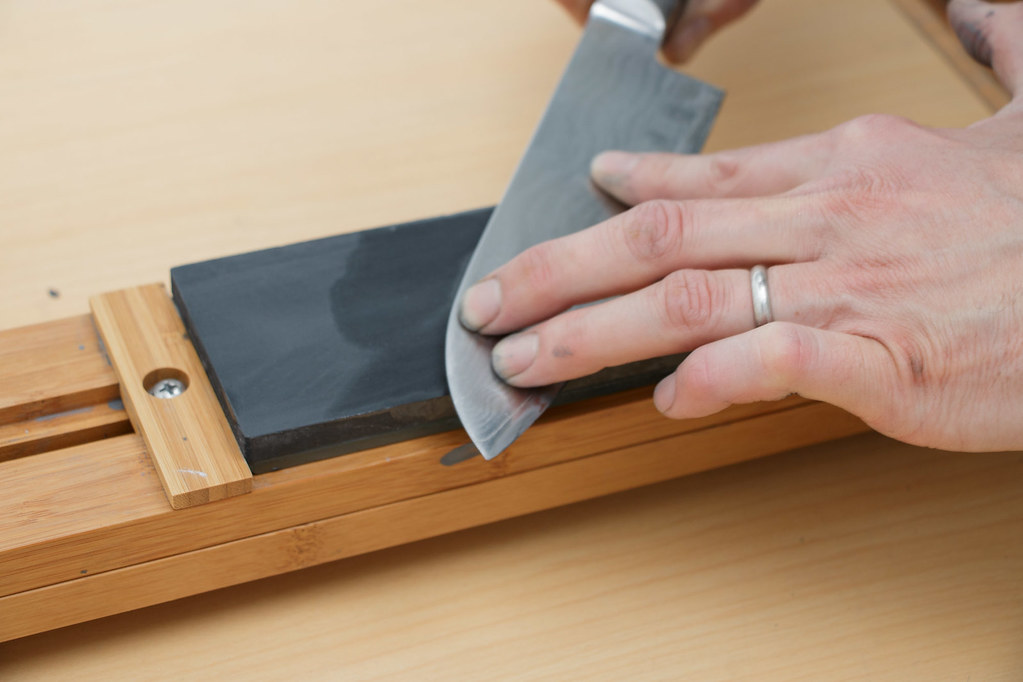
3. Sharpening Stones (Whetstones)
Still considered the gold standard for many professionals, whetstones require skill and patience but deliver an exceptional edge. High-quality stones come in different grit levels, allowing for step-by-step sharpening and polishing. For those willing to learn the technique, whetstones provide both versatility and craftsmanship.
Key Features to Look For
When selecting a professional knife sharpener, there are several important factors to consider:
- Sharpening Stages: Multi-stage systems that include coarse grinding, honing, and polishing deliver the best results.
- Angle Guides: Precision angle guides help maintain consistency, especially for beginners.
- Durable Materials: Diamond or ceramic abrasives are long-lasting and capable of sharpening even the hardest steels.
- Safety Features: Non-slip bases, protective covers, and automatic shutoffs (for electric models) ensure safe use.
- Compatibility: Some sharpeners are designed specifically for Western-style knives, while others also accommodate Asian-style blades with narrower angles.
Benefits of Using Professional Knife Sharpeners
- Consistency: They deliver uniform sharpness across the entire blade.
- Timesaving: Professional sharpeners restore knives quickly compared to makeshift tools.
- Longevity: Regular, proper sharpening extends the life of your knives.
- Versatility: Many professional models work on kitchen knives, hunting knives, and even scissors.
- Confidence: A sharp knife makes cooking enjoyable and reduces the risk of kitchen accidents.
Professional Sharpeners vs. DIY Methods
Some people attempt to sharpen knives using makeshift tools like steel rods or sandpaper. While these may provide temporary results, they often damage the blade or wear it unevenly. Professional sharpeners, by contrast, are designed to maintain the knife’s integrity, giving you a sharper edge with minimal material loss.
Investing in Quality
High-quality professional knife sharpeners may cost more upfront, but the benefits quickly outweigh the investment. With proper care, a single device can last for years, saving you from frequently replacing dull knives. For restaurant owners and serious home chefs, the ability to keep knives in peak condition translates directly into improved efficiency in the kitchen.
Final Thoughts
Professional knife sharpeners are more than just convenient gadgets; they are essential tools for maintaining precision, safety, and performance in the kitchen. Whether you choose an advanced electric model, a precise manual system, or a traditional whetstone, the key is consistency and care. By investing in a professional sharpener, you’re not just extending the life of your knives—you’re also elevating the art of cooking itself.