
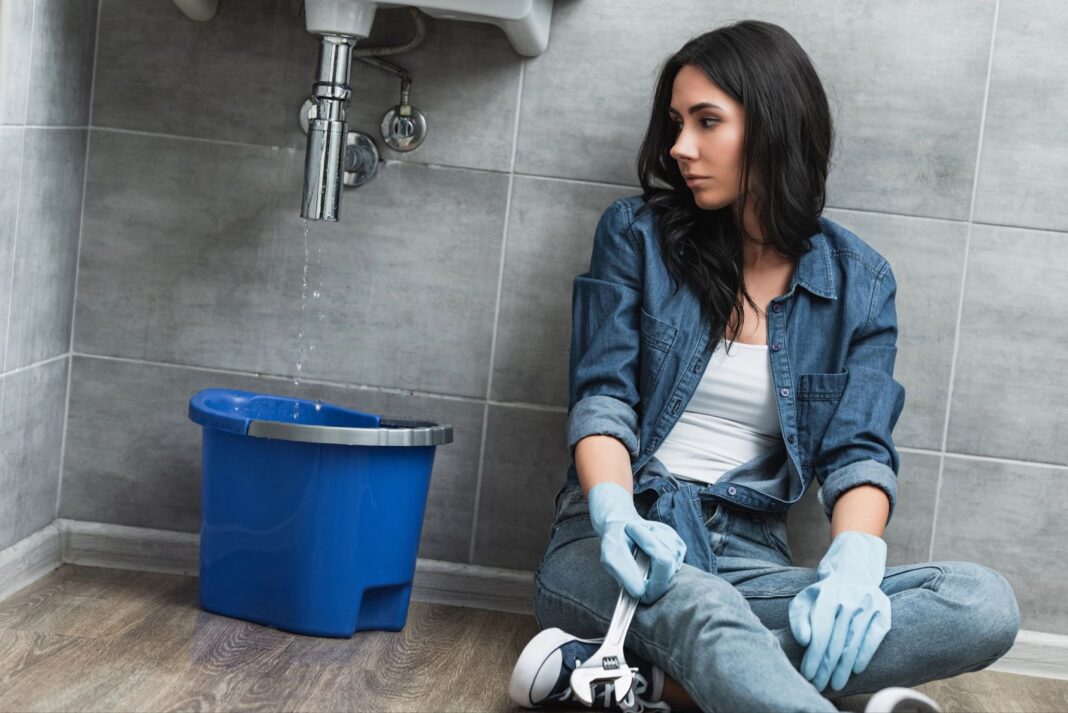

Water leaks in the home might seem like a minor inconvenience, but they can lead to significant issues if not promptly addressed. Many homeowners mistakenly assume that small leaks don’t require urgent attention. However, these seemingly harmless drips can cause extensive damage and lead to costly repairs over time. It’s crucial to recognise the importance of early detection and maintenance to avoid these potential pitfalls.
Understanding the Causes of Water Leaks
Water leaks in a home can originate from various sources. The most common culprits include plumbing issues, faulty appliances, and roof problems. Plumbing leaks often occur around sinks, toilets, and water heaters due to worn-out seals or corroded pipes. Roof leaks can result from damaged shingles, clogged gutters, or deteriorated flashing, especially in areas with heavy rainfall or frequent storms.
Seasonal factors can also play a significant role in the occurrence of leaks. For instance, freezing temperatures can cause pipes to burst, while heavy rains might reveal a leaky roof. Additionally, wear and tear in the infrastructure, particularly in older homes, can contribute to the frequency of leaks. Faulty appliances like washing machines or dishwashers can develop leaks over time, leading to water pooling in less visible areas.
Structural Damage from Persistent Leaks
Persistent water leaks can have a devastating impact on a home’s structural integrity. Continuous moisture exposure can weaken building materials, leading to warped wood, compromised ceilings, and deteriorating walls. Moreover, prolonged leaks often create an ideal environment for mould growth, which not only poses health risks but can also eat away at structures.
Damp conditions, when left unchecked, can infiltrate a home’s foundation. The constant presence of moisture can cause cracks and destabilise the foundation, affecting the entire structure’s stability. There have been instances where small, neglected leaks have led to severe issues, including collapsing ceilings and significant structural repairs that could have been avoided with early intervention.
Health Risks Associated with Water Leaks
Besides structural damage, water leaks can significantly impact health. Mould and mildew thrive in damp, humid environments created by persistent leaks. They release spores into the air, affecting indoor air quality and often leading to respiratory problems, allergies, and even asthma attacks. Individuals with pre-existing respiratory conditions or weakened immune systems might find their symptoms exacerbated due to these air quality changes.
Furthermore, damp conditions from leaks can attract an array of pests like termites and rodents, which can be destructive and carry diseases. Stagnant water that’s left untreated is a breeding ground for bacteria, posing additional health risks to inhabitants. Thus, addressing leaks promptly is crucial to maintaining a healthy living environment.
Financial Impacts of Ignored Leaks
Ignoring small leaks can have substantial financial repercussions. The cost of repairing extensive water damage far exceeds that of addressing minor leaks when they first arise. Whether it’s replacing soaked drywall, repairing a damaged roof, or addressing foundation issues, the expenses can add up quickly.
Water leaks also contribute to increased utility bills. Continuous dripping from a leaky tap or a running toilet can waste significant amounts of water, impacting household expenses. Additionally, leaks can influence a property’s value, with potential buyers wary of underlying water issues. Moreover, prolonged leaks might lead to higher insurance premiums or, in some cases, denial of coverage, as insurers prefer clients who maintain their properties well. In situations where damage leads to an insurance claim, understanding the role of a loss assessor vs loss adjuster is important, as each serves a different party in the claims process. A loss assessor advocates for the homeowner’s interests, while a loss adjuster represents the insurer.
Preventive Measures to Avoid Major Home Issues
Small water leaks often seem harmless initially, but they can quickly escalate into significant and costly problems. Regular home inspections can help detect leaks early, preventing them from escalating. Implementing timely repairs and routine maintenance can significantly reduce the chances of minor issues snowballing into major problems.
Installing leak detection devices or integrating smart home technology can assist homeowners in monitoring water use and promptly identifying leaks. Maintaining plumbing systems involves checking pipe insulation, inspecting seals, and ensuring appliances are in good working order. These proactive steps can go a long way in preserving the home’s integrity and avoiding unforeseen repairs.
Stay Ahead: Proactive Tips to Keep Your Home Safe and Dry
In conclusion, small water leaks, if ignored, can escalate into significant home issues, leading to both health hazards and financial burdens. The structural implications of prolonged moisture exposure and the potential health risks from mould and bacterial growth highlight the importance of addressing leaks promptly.
Homeowners are encouraged to be proactive in their maintenance routines, conducting regular inspections and promptly tackling any issues that arise. Recognising the potential impact of neglected leaks on property value and insurance coverage only reinforces the need for early detection. By implementing these measures, homeowners can effectively safeguard their homes and ensure a safe, dry environment for their families, because, after all, prevention pays in the long run. And remember, knowing how to spot leaks early can make all the difference.
Apart from that, if you want to know more about Different Types of Waterproofing Solutions then visit our Home Improvement category.