
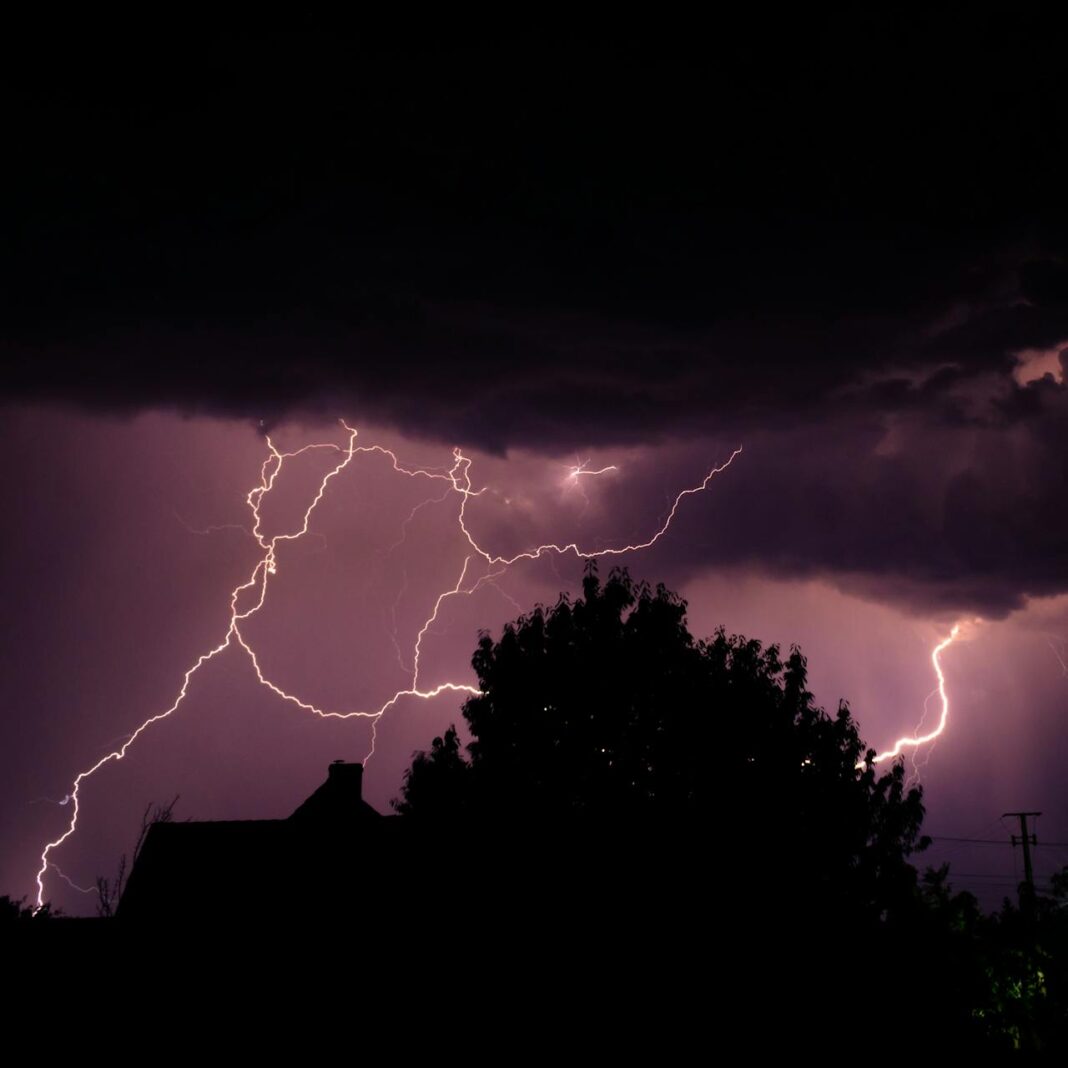

Every homeowner should focus on how best to protect their house from weather damage. Big problems can come from strong winds, too much rain, and low temperatures. Fortunately, there are tried-and-true ways to keep your residence safe. Begin with checking the roof and filtering the drainage systems regularly. Consider using storm shutters and also fence your home with reliable landscaping. To fight against the cold weather, insulate properly, and don’t forget to monitor and maintain any heating system thoroughly. By taking these actions, you can preserve the integrity of your house and guard it from different kinds of weather harm.
Regular Roof and Gutter Inspections
Imagine a sudden Texas thunderstorm spreading across Austin with strong winds and lots of rain. As you sit inside listening to the rain, you feel safe—until an unnoticed leak proves otherwise. But imagine that a leak goes undetected. What if the pools of water on your roof are resulting from blocked gutters? Regular inspections are, therefore, quite vital. Your roof is the first line of defense against extreme weather, whether it’s burning summer heat, heavy downpours, or the occasional winter freeze.
Looking for missing shingles, cracks, or wear indicators will help you avoid later expensive damage. Just as important are gutters. Should they be blocked, rainfall might build up and cause leaks, mold, or perhaps structural damage. Many people, unaware of the risk, wait until it is too late. This is why planning regular inspections or contacting Austin roof repair professionals or a licensed contractor in your area elsewhere following a storm helps avoid minor issues from becoming major issues. Regardless of the season or weather conditions, your home will remain protected if you keep up with inspections.
Investing in Storm Shutters
Investing in storm shutters is a great approach to keep your house free from severe weather. Particularly in storms, these specially made shutters offer protection against strong winds and flying debris. Storm shutters protect your windows and doors when securely closed, therefore greatly reducing the possibility of glass breaking and wind entering your house. Among the several options are removable panels, roll-down shutters, and accordion shutters. Choose the type that provides the required security, and most fits the architecture of your house. Equipping your house with storm shutters will help you to prevent any storm damage by acting ahead.
Secure Landscaping Practices
Solid trees and shrubby greenery improve your property’s aesthetic appeal, yet they could turn into a danger amid turbulent weather. Make sure to trim all bushy plants near your house regularly. Any branches that could break off and harm your house should be kept far from the structure. Excess vegetation can retain water, increasing the risk of damage near your home. Select robust plants for outside décor that are less prone to be ruined by gales. Following these protective plantation guidelines helps reduce the risk of landscaping causing havoc during tempests while simultaneously adding sturdiness and appeal to your residence.
Proper Insulation and Ventilation
Appropriate insulation and ventilation are absolutely essential for full protection against cold weather harm. Proper ventilation works alongside insulation to control moisture, helping to prevent condensation and mold growth. Serious roof damage and leaks could result from this accumulation of ice. Enough ventilation supports insulation by controlling moisture in your house, reducing condensation and mold development. With focused attention on appropriate insulation and ventilation, you can guard your house from winter weather problems. This not only keeps you warm but also preserves the structural soundness of your residence.
Heating System Checkups
Look after your heating system with careful monitoring and maintenance if you want to keep your house comfortable during chilly months. Regardless if it is a furnace or a heat pump, routine inspections done by skilled personnel guarantee its effective functioning and uncover any potential issues early on. Do not forget to change filters frequently so that airflow remains unblocked and energy use is optimal. Regular heating system upkeep aids in averting harsh failures and offers steady warmth. Spending time to maintain your heating system guarantees that you’re comfy inside your house all winter and extends the life span of your house.
Waterproofing Basements and Crawl Spaces
Water proofing basements and crawl spaces help your house stay safe from water damage. These regions should especially be taken care of since any water accumulation there could adversely compromise the construction of your house. For a good reason, keep water out of your basement walls and flooring using a premium sealant. Since a sump pump rapidly eliminates any extra water, installing one is a great backup solution. Make sure crawl areas allow enough ventilation to prevent humidity from building up. By using these waterproofing techniques, you prevent major structural damage brought on by too much moisture and essentially stop mildew development.
Conclusion
Keeping a house safe from weather damage requires constant effort and thoughtful measures. Examining the roof often, fitting storm shutters, and using suitable plants go a long way in strengthening the first defense against possible dangers. Proper insulation, together with rigorous heating system maintenance, prepares your house for cold months while basement water proofing protects against water problems. Each of these steps collaboratively helps in preserving the integrity of your residence, saving you from expensive repairs over time. Guarding your house from weather-related injuries ensures a cozier living environment and represents a smart investment in your property’s enduring security and strength.
Apart from that, if you are interested to know about “Essential Guide to Stormwater Drain Maintenance” then visit our “Home Improvement” category.