


Introduction
How to Get Rid of Chipmunks? Dealing with chipmunks in your yard or home can be frustrating, but understanding how to eliminate chipmunks effectively can help you tackle the problem. These small, burrowing rodents can cause damage by digging holes, chewing plants, and invading your home’s foundation.
The first step is identifying where they’re entering and living. It’s crucial to use live traps, remove food sources, and install barriers around vulnerable areas. You can also use natural repellents like peppermint or cayenne pepper and ultrasonic devices to seal all potential entry points around your home. If necessary, seek professional pest control services.
How To Get Rid Of Chipmunks?
To learn how to get rid of chipmunks, start by identifying where they are entering and living. Use live traps to capture and relocate them, remove food sources, and install barriers around vulnerable areas. Natural or chemical repellents, ultrasonic devices, and sealing entry points will also help. A clean, well-maintained yard reduces chipmunk attraction and keeps them away.
| Basics | Details |
| Identify Entry | Look for burrows and activity. |
| Use Traps | Set humane traps with bait. |
| Remove Food | Store food indoors and clean up. |
| Install Barriers | Place mesh or fencing. |
| Use Repellents | Apply peppermint or garlic. |
| Ultrasonic Devices | Use sound devices. |
| Seal Entry Points | Block cracks and gaps. |
| Professional Help | Hire pest control if needed. |
| Chemical Repellents | Use chipmunk-specific repellents. |
| Maintain Yard | Keep the yard clean and trimmed. |
Identify Where the Chipmunks Are Entering and Living.
The first step in learning how to get rid of chipmunks is identifying where they are entering and nesting. Look for signs such as burrows, chewed plants, or visible chipmunk activity. Chipmunks often dig holes near your home or under structures like decks and sheds. Spotting these locations will guide you in targeting the right areas with traps or repellents.
Use Live Traps
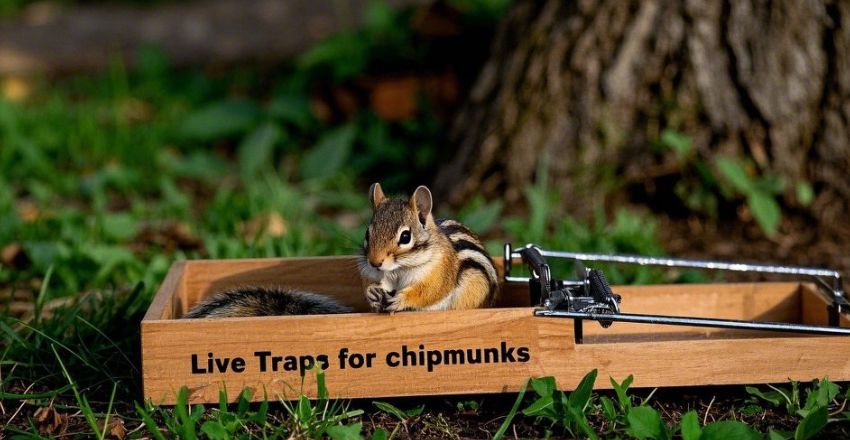
Live traps are one of the most effective and humane ways to eliminate chipmunks. These traps allow you to capture the chipmunks without harming them and then release them far from your property. Place the traps near burrows or areas where chipmunks are frequently seen. Bait the traps with peanut butter, sunflower seeds, or nuts for best results.
Remove Potential Food Sources
If you want to know how to get rid of chipmunks effectively, the next step is to eliminate food sources. Chipmunks are attracted to gardens, bird feeders, and pet food. Store seeds, nuts, and fruits indoors, and regularly clean up fallen food. Removing these food sources will make chipmunks less likely to return to your yard or garden.
Practical Ways to Prevent and Manage Chipmunks Around Your Property
Chipmunks are small, energetic rodents that can become a nuisance when they burrow near gardens, patios, or landscaping, but there are several effective and humane strategies for managing their presence. One of the first steps in prevention is to remove attractants like exposed birdseed, fallen fruit, and easy access to food sources that naturally draw chipmunks into yards.
Sealing off burrows with natural deterrents such as citrus peels, cayenne pepper, or predator urine scent can discourage them from settling in. Additionally, installing physical barriers like wire mesh around garden beds or using raised plant covers helps protect plants without harming the animals.
For homeowners who prefer minimal intervention, encouraging natural predators — such as owls and snakes — can also help keep chipmunk populations in check. Combining these approaches not only protects your outdoor space but does so in a way that maintains the local ecosystem.
Install Fencing or Mesh Barriers Around Vulnerable Areas
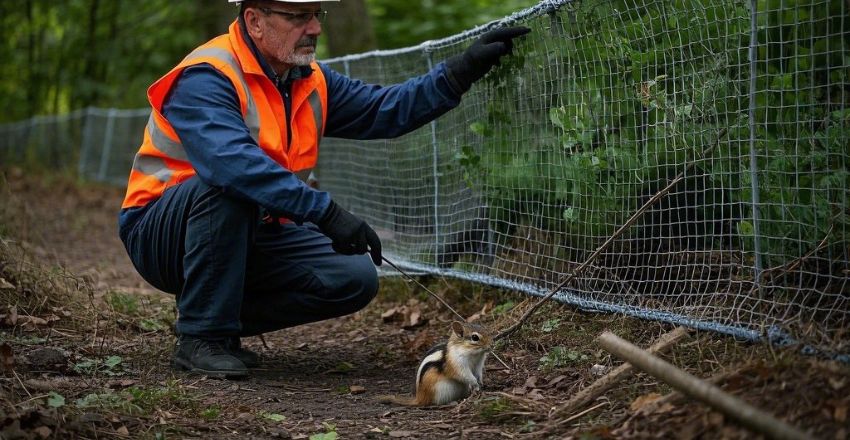
A physical barrier can effectively prevent chipmunks from accessing certain areas. Install hardware cloth or mesh fencing around flower beds, vegetable gardens, or the perimeter of your house. Ensure the mesh is buried a few inches into the ground to prevent chipmunks from digging underneath it. This step is key to safeguarding your plants and garden.
Use Natural Repellents
Natural repellents are an excellent way to get rid of chipmunks without using chemicals. Chipmunks dislike strong scents such as peppermint, garlic, and cayenne pepper. Sprinkle these ingredients around the areas they frequent or spray a peppermint oil solution around your garden and entry points. These smells will help drive the chipmunks away.
Use Ultrasonic Devices
Ultrasonic devices are a great option if you’re wondering how to eliminate chipmunks without harming them. These devices emit high-frequency sounds that are unpleasant for chipmunks but inaudible to humans and pets. Please place them in areas where chipmunks are active, and the noise will encourage them to leave your property for good.

Seal All Entry Points and Burrows Around Your Home
You must seal all entry points to prevent chipmunks from entering your home or sheltering under your deck or garage. Inspect the exterior of your house for any cracks, gaps, or holes. Use caulk, steel wool, or hardware cloth to close these openings. Blocking access makes it difficult for chipmunks to find shelter indoors.
Set Up a Professional Pest Control System
If you’re struggling to handle chipmunk problems on your own, professional pest control services can be extremely helpful in how to get rid of chipmunks. Professionals have experience managing infestations and will implement an effective strategy to remove the chipmunks from your property. They will also offer advice on preventing future invasions, ensuring long-term relief.
Apply Chemical Repellents
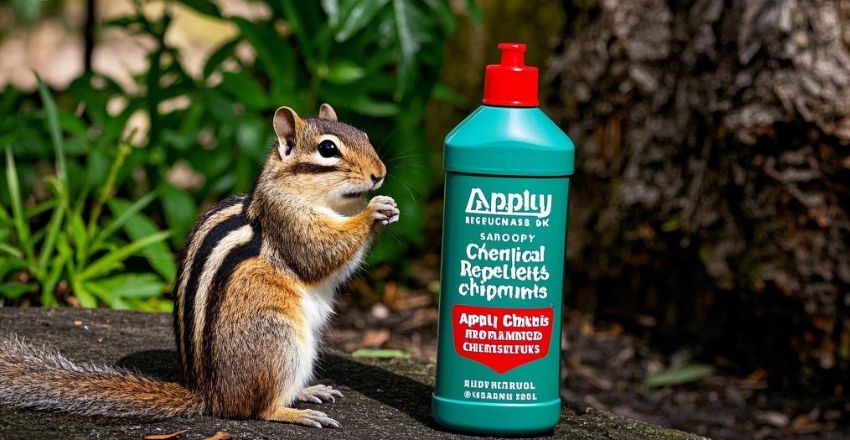
While natural repellents are safe and effective, chemical repellents can also be used as part of your strategy to get rid of chipmunks. Choose a chipmunk-specific chemical repellent that creates an unpleasant smell or taste. Follow the manufacturer’s instructions for proper application, and reapply as necessary. These repellents deter chipmunks from returning to your yard or garden.
Keep Your Yard Clean and Trimmed
You must maintain a clean and tidy yard to prevent chipmunks from returning. Trim bushes, shrubs, and trees to reduce potential hiding spots for chipmunks. Regularly clean up leaves, debris, and fallen fruits that may attract them. A well-maintained yard is less inviting to chipmunks and other pests, reducing the likelihood of future invasions.
How to Spot Signs?
Early detection is key in preventing a chipmunk infestation. Look for small burrows near foundations, sheds, or decks. Chipmunks often leave chewed plants or vegetables in gardens. Please pay attention to their droppings and signs of gnawing on wires, trees, or furniture. Spotting these indicators early helps you act quickly and eliminate chipmunks before they become problematic.
Essential Tips
Chipmunk-proofing your home starts with sealing entry points. Check for cracks, holes, or gaps around windows, doors, or foundations. Use steel wool or caulk to seal them. Install mesh barriers around gardens, decks, or sheds to block access. Trim trees or shrubs near your home to prevent chipmunks from climbing. Regular maintenance ensures your property stays protected.
Safe and Humane Chipmunk Control Methods
When managing chipmunk problems, it is important to focus on humane and environmentally safe solutions that do not harm the animals or disrupt the ecosystem. Methods such as live trapping, natural repellents, and physical barriers help control chipmunk activity while allowing relocation instead of elimination.
Homeowners should also avoid using harmful chemicals whenever possible and instead rely on preventive strategies like sealing entry points and removing food sources. Maintaining consistency in these practices ensures that chipmunks are discouraged from returning, while still preserving balance in the surrounding wildlife environment.
Conclusion
In conclusion, knowing how to get rid of chipmunks involves identifying entry points, using live traps, removing food sources, and installing barriers. You can also use natural repellents, ultrasonic devices, and seal gaps. Maintaining a clean yard and seeking professional help will prevent chipmunk invasions. By following these steps, you’ll effectively control chipmunks and protect your home and garden from potential damage.
Apart from that if you want to know about “How Much Do Bricklayers Make? Unveiling the Secrets Behind Their Salaries” then please visit our “Home Improvement” Category.
FAQs
Using live traps is an effective and humane method. Place the traps near burrows or frequent activity areas, and bait with peanut butter, sunflower seeds, or nuts.
Chipmunks dislike strong scents like peppermint, garlic, and cayenne pepper. To keep them away, sprinkle these around your garden or entry points.
Seal any cracks, gaps, or holes in your home’s exterior using caulk, steel wool, or hardware cloth to prevent chipmunks from entering or nesting.
Chipmunks are attracted to yards that offer food, shelter, and safe nesting areas such as gardens, shrubs, and patios.
Chipmunks can damage gardens, dig burrows near foundations, and disturb landscaping, but they rarely cause structural damage.