
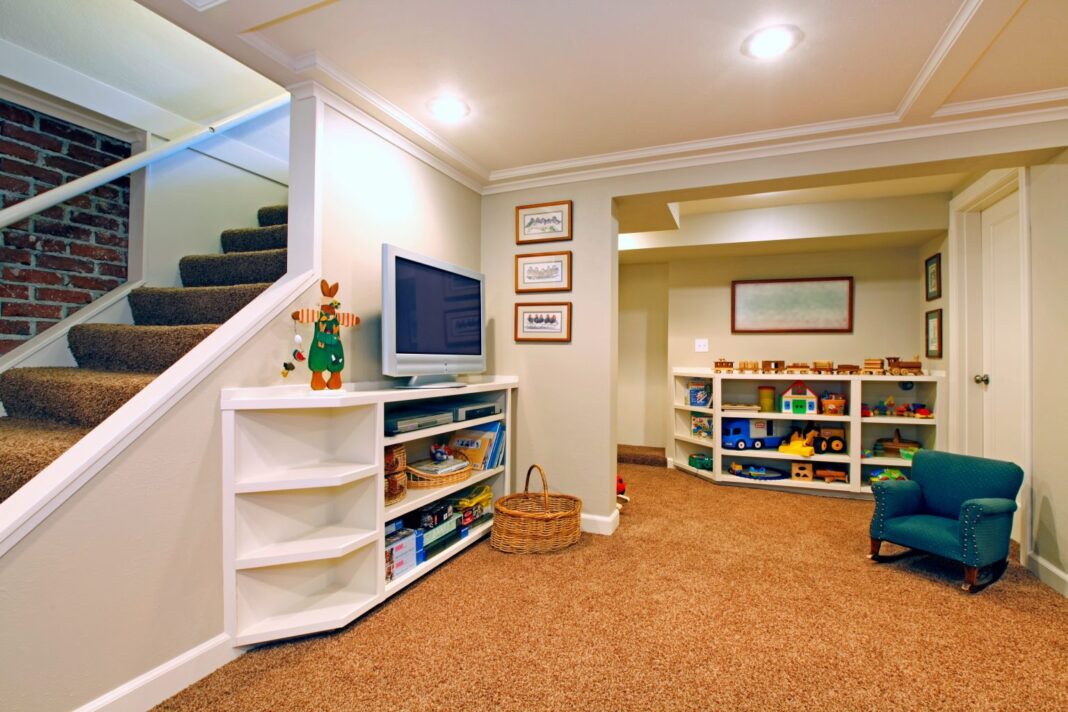

Water intrusion can cause extensive damage to a home, from structural issues to mold growth. It can lead to expensive repairs and serious health concerns. This is why it is essential to get waterproofing done to keep your home protected from leaks and dampness and prevent long-term deterioration. Let’s explore the different types of waterproofing solutions and which one is the right one for your property.
1. Cementitious Waterproofing
Cementitious waterproofing is one of the most common types of waterproofing that is done to protect concrete structures. It is a mixture of cement-based materials and waterproofing additives, used to create a strong barrier to prevent water penetration. It is cost-effective, highly durable and easy to apply but can easily develop cracks due to structural movement over time. This type of waterproofing is best for bathrooms, basements, water treatment plants and underground tunnels.
2. Liquid Waterproofing Membrane
In liquid waterproofing, a liquid coating is applied that dries up to form a flexible, seamless membrane. It can be easily applied, is highly flexible and resistant to UV rays. As this method provides great water resistance, it can be used on many types of surfaces such as roofs, balconies, terraces and building foundations.
3. Bituminous Waterproofing
Bituminous waterproofing is also known asphalt waterproofing. It is made from bitumen-based materials and is typically used for flat roofs, building foundations, retaining walls and below-ground structures to prevent water penetration. It is very durable and ideal for underground structures but can become brittle over a period of time.
4. Polyurethane Waterproofing
Polyurethane waterproofing provides good water resistance and durability. It is quite flexible and is resistant to chemicals and weathering. However, it can be costlier and requires precise application to be effective. It is ideal for roofs, parking decks, bridges and any areas that are exposed to more moisture and harsh weather conditions.
5. Sheet Membrane Waterproofing
In this waterproofing method, pre-formed sheets made of materials like rubber and PVC are applied to surfaces to prevent water and moisture penetration. These sheet membranes are usually used in areas like basements, tunnels, swimming pools and places where a high level of waterproofing protection is required. It is great for large surface areas but can be slightly expensive.
How to Choose the Right Waterproofing Solution
When selecting a waterproofing solution you must carefully consider these factors:
- Location – Consider the place where you want to get waterproofing done as different areas require different solutions.
- Flexibility & Durability – Some types of waterproofing like liquid membranes offer more flexibility, while others, like cementitious waterproofing, are more rigid and durable.
- Weather Conditions – If you want to get waterproofing done for an area that faces extreme weather, then you must opt for a more resilient solution like polyurethane waterproofing.
- Maintenance – Some waterproofing methods need periodic upkeep, while others don’t require much maintenance.
To maintain the structural integrity of your property you must get waterproofing done from experts like APP Protect. They can help you explore comprehensive waterproofing solutions that can keep your property protected and prevent expensive structural repairs in the future.
Apart from that, if you want to know more about How Much Do Bricklayers Make? Unveiling the Secrets Behind Their Salaries then visit our Home Improvement category.