

Introduction
A moving home checklist ensures a smooth, efficient relocation process. It helps reduce stress and ensures no critical task is forgotten by breaking down the moving tasks into manageable steps.
Every detail is covered from the initial planning stages, like hiring movers and gathering packing supplies, to confirming utility transfers and updating your address. Starting early is crucial; organizing tasks like decluttering and packing room by room can make the process much easier. Additionally, choosing the right moving company and confirming the details beforehand helps prevent last-minute issues.
| Basics | Details |
| Start Early | Begin 8 weeks ahead to stay organized. |
| Declutter | Reduce items to move. |
| Choose Movers | Research and compare quotes. |
| Gather Supplies | Collect packing materials early. |
| Pack Room by Room | Pack and label systematically. |
| Transfer Utilities | Set up utilities and update your address. |
| Confirm Details | Double-check with movers or helpers. |
| Pack Essentials | Pack necessities for the first few days. |
| Oversee Unpacking | Supervise unloading and unpacking essentials. |
| Complete Final Steps | Update documents and check safety features. |
| Plan for Pets | Arrange transport and safety for pets. |
Moving Home Checklist
A moving home checklist ensures a smooth and organized relocation process. It helps you stay on track by outlining tasks such as hiring movers, packing, transferring utilities, and updating your address. A moving home checklist reduces stress by breaking down the process into manageable steps. It ensures that no critical task is overlooked, making your move more efficient and less overwhelming, allowing you to focus on settling into your new home.
Key Pre-Move Preparations to Simplify Your Home Relocation
Preparing for a home move goes beyond packing boxes—it requires strategic planning and organization to reduce stress and ensure nothing is overlooked. Before moving day, it’s helpful to create a detailed inventory of your belongings, which not only makes packing more efficient but also helps with insurance and unpacking later. Equally important is sorting items into categories such as keep, donate, and dispose, so you can minimize clutter and only transport what truly matters. Cleaning key areas before packing and labeling boxes by room or priority also speeds up both the packing and unpacking processes. Tackling these pre-move tasks early creates a smoother transition and gives you valuable peace of mind as moving day approaches.
Start Early for Maximum Organization
Start your moving preparations at least eight weeks before your moving day. Early planning is key to reducing stress. Use a detailed checklist to track important tasks, such as booking movers, organizing belongings, and gathering packing supplies. The more time you have, the better prepared you’ll be, ensuring a smoother and more organized move.
Declutter and Organize Your Belongings
Before packing, take the time to declutter. Sorting through your belongings can help reduce the number of items you need to move, saving time and money. Donate or sell items you no longer need. Organizing your items into categories can make packing more efficient, ensuring that your new home is organized.
Choose the Right Moving Company
Research moving companies to find the one that suits your needs and budget. Get multiple quotes and read reviews to compare services. Consider whether you need full-service movers or just a truck rental. Check the company’s insurance and licensing for added peace of mind. Picking the exemplary moving service will make your move smoother and safer.
Gather Packing Supplies Early
Start gathering packing materials at least two weeks before your move. You’ll need boxes of various sizes, packing tape, bubble wrap, and labels. Consider getting free boxes from local stores or online community groups. Ensuring you have all necessary packing supplies ahead of time will prevent last-minute scrambling and help make the packing process more efficient.
Start Packing Room by Room
Pack systematically by starting with the rooms you use least. Begin with guest rooms, storage areas, and non-essential items, leaving everyday essentials for the last phase. Label each box clearly with its contents and the room to which it belongs. This method keeps you organized and makes the unpacking process much easier when you arrive at your new home.
Transfer Utilities and Update Your Address
Contact utility companies to transfer services, such as electricity, water, and internet, to your new home. Update your address with the postal service and any relevant organizations like banks, healthcare providers, and subscriptions. Completing these tasks beforehand ensures that your utilities are set up and you won’t miss important mail.
Confirm the Moving Day Details with the Movers or Your Team
As moving day approaches, reconfirm the details with your moving company. Verify the time, services, and payment arrangements. Ensure they have clear instructions and a contact number for the day. If you’re moving alone, ensure your friends or helpers know when to arrive and what to expect. Confirming the details will avoid confusion and ensure a smooth moving day.
Pack an Essentials Box for the First Few Days
Create an essentials box with items you’ll need immediately upon arrival at your new home. This includes toiletries, important documents, a change of clothes, chargers, medications, and snacks. Keep this box separate from the rest of your packed belongings so you can easily access it when needed. This will save you time and ensure your first few days are comfortable.
Oversee the Unloading and Unpacking Process Efficiently
Once you arrive at your new home, supervise the unloading of boxes. Direct movers to place boxes in the correct rooms according to your labelling system. Start unpacking essential items, such as kitchenware, bedding, and toiletries, so your home is immediately functional. Unpacking room by room will help you stay organized and avoid feeling overwhelmed during this process.
Complete the Final Steps and Enjoy
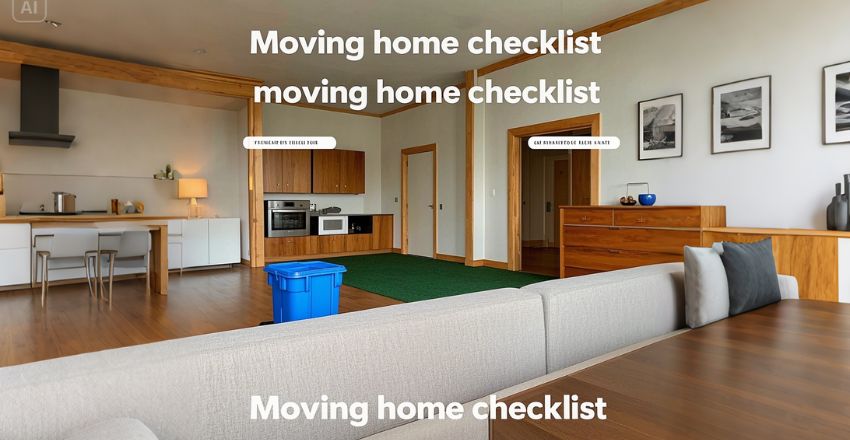
After unpacking, complete any final tasks, such as updating your driver’s license and registering your car at your new address. Check your home’s safety features, including smoke detectors and security alarms. Finally, take a moment to relax and enjoy your new space. Completing these last steps ensures your move is complete, and you can begin settling into your new home.
Essential Tips
Creating the perfect moving home checklist starts with a detailed plan that covers all necessary tasks. Every step should be laid out, from scheduling moving dates to sorting belongings, ensuring you have the right supplies, and confirming logistics with moving companies. This checklist will keep you organized and on track, allowing you to tackle each task efficiently and make the process less stressful and overwhelming.
A Checklist for a Smooth Transition
Moving with pets requires additional planning. This checklist would cover tasks such as preparing your pet for the move, arranging transportation, and updating vet records. It would also offer tips on making the move less stressful for pets and ensuring their safety and comfort during transitioning to a new home.
Importance of Labeling and Inventory During a Move
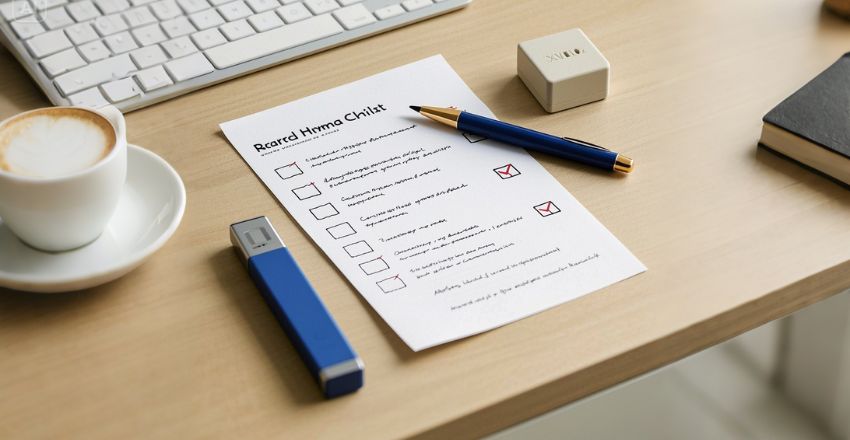
One of the most effective yet often overlooked steps in a moving home checklist is creating a clear labeling and inventory system for all packed items. By assigning each box a number and noting its contents in a simple list, you can easily track your belongings throughout the relocation process.
This method not only reduces the chances of losing important items but also makes unpacking significantly faster and more organized in your new home. Labeling boxes by room and priority ensures that essential items are unpacked first, helping you settle in quickly without unnecessary confusion or delays.
Conclusion
In conclusion, a moving home checklist is the key to a stress-free and organized move. You’ll ensure a smooth relocation by planning, decluttering, choosing the right movers, and staying on top of essential tasks like transferring utilities and updating your address. This checklist helps keep you focused and on track, making the transition to your new home much easier allowing you to settle in quickly and comfortably.
Apart from that if you want to know about “How Much Do Bricklayers Make? Unveiling the Secrets Behind Their Salaries” then please visit our “Home Improvement” Category.
FAQs
A moving home checklist is a guide to help organize tasks during a move, ensuring nothing is forgotten. It includes hiring movers, packing, and utility transfers.
Start preparing at least 8 weeks before your move for better organization and less stress.
Research companies read reviews, compare quotes, and verify their insurance and licenses.
You’ll need boxes, tape, bubble wrap, and labels to pack your belongings safely and efficiently.
A moving home checklist helps organize tasks, prevent last-minute stress, and ensure that important steps aren’t forgotten during the relocation process.