


Introduction
Bricklayers are the behind-the-scenes builders who create the sturdy walls and beautiful facades that shape our homes and cities. But have you ever wondered how much these skilled workers actually earn? Let’s break it down in a way that’s easy to understand. Elsewhere on the site: Tommy Lascelles Wife.
Bricklayers play a crucial role in the construction industry, building everything from residential homes to large commercial structures. Their expertise in laying bricks, stone, and other materials ensures the stability and durability of these buildings.
One common question for those considering this profession is, “How much do bricklayers make?” The answer varies depending on factors like experience, location, and the type of projects they work on. In this article, we’ll explore the factors that influence a bricklayer’s salary and provide a general overview of what you can expect to earn in this hands-on, skilled trade.
| Experience Level | Average Annual Salary | Hourly Rate |
|---|
| Entry-Level (0-2 years) | £18,000 – £25,000 | £9 – £12 per hour |
| Mid-Level (3-5 years) | £25,000 – £35,000 | £12 – £16 per hour |
| Experienced (5+ years) | £35,000 – £45,000 | £16 – £22 per hour |
| Self-Employed/Freelance | £40,000 – £60,000+ | Varies (project-based) |
| Location (Urban Areas) | £30,000 – £45,000 | £15 – £22 per hour |
| Location (Rural Areas) | £25,000 – £35,000 | £12 – £18 per hour |
Understanding Bricklayer Earnings and What Influences Pay Rates
Bricklayers’ earnings are shaped by a variety of factors, including experience level, location, and the nature of the work being performed. According to the article, entry-level bricklayers often start with more modest wages as they build skills on job sites and assist more experienced masons, while those with several years of trade experience typically command higher pay due to increased efficiency and technical ability. Additionally, bricklayers working in urban areas or on specialised commercial projects may receive better compensation compared to those in smaller towns or standard residential builds, highlighting how regional demand and project complexity play a significant role in wage differences. Understanding these influences provides a clearer picture of why bricklayer salaries vary and what workers might expect as they advance in their careers.
How Much Do Bricklayers Make?
The amount bricklayers earn depends on where they work, how experienced they are, and the kinds of projects they do. Here’s a closer look at average salaries in different parts of the world:
United States
In the U.S., bricklayers earn about $25–$30 per hour, which adds up to $52,000–$62,000 per year. If you’re experienced and working in a busy city, you could make over $75,000 a year. Not bad, right? Those who specialize in decorative masonry or work on high-profile projects may earn even more.
United Kingdom
In the UK, bricklayers typically earn between £15 and £25 per hour, or £31,000–£52,000 per year. If you’re working in London, where demand is high, hourly rates can reach £40, leading to yearly earnings of over £60,000. Many bricklayers also benefit from government-funded projects or private housing booms.
Australia
Australian bricklayers earn about AU$30–AU$45 per hour, or AU$60,000–AU$90,000 annually. In cities like Sydney, where the demand is higher, annual salaries can go beyond AU$100,000. The rising popularity of custom-designed homes and eco-friendly construction methods has created new opportunities for skilled workers.
Canada
In Canada, bricklayers make about CA$25–CA$40 per hour, which is CA$52,000–CA$83,000 per year. Provinces like Ontario and Alberta, with lots of construction projects, tend to offer the highest pay. Those involved in restoration work or large-scale infrastructure projects often earn premium rates.
What Affects a Bricklayer’s Pay?
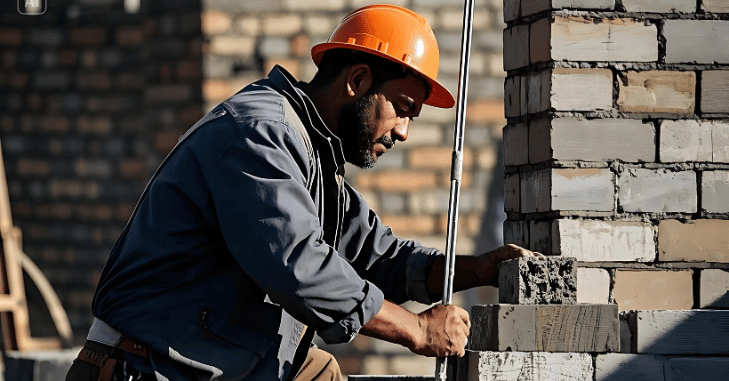
Not all bricklayers make the same amount of money. Here are some key factors that influence their earnings:
1. Experience
If you’re starting, you’ll likely earn less. But as you gain experience and learn specialized skills like decorative or historical brickwork, your pay will increase. Experienced bricklayers can take on more complex and lucrative projects, often doubling their income over time.
2. Location
Where you work matters a lot. Cities and areas with booming construction markets often pay more to attract skilled workers. For example, urban centers with high demand for housing and commercial buildings frequently offer higher wages and bonuses.
3. Union Membership
Being part of a union can mean better wages, benefits, and job security compared to non-union workers. Unionized bricklayers often have access to training programs and networking opportunities that can help them secure higher-paying jobs.
4. Type of Projects
Big commercial projects or detailed restoration work usually pay more than smaller residential jobs. Specialized tasks like creating intricate facades or using rare materials can significantly boost earnings.
5. Self-Employment
If you run your own business, you can set your rates and potentially earn more. However, you’ll need to cover expenses like tools, insurance, and advertising. Successful self-employed bricklayers often earn six figures by managing multiple projects or hiring a team.
Tips to Earn More as a Bricklayer
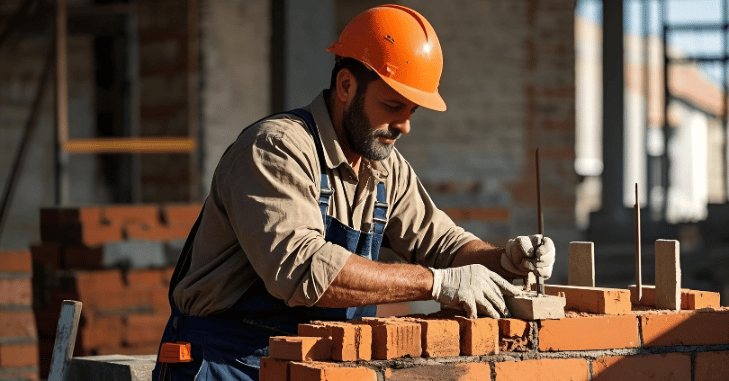
Want to boost your income as a bricklayer? Here’s how:
1. Learn a Specialty
Focus on areas like green building techniques, historical restoration, or stone masonry. Specialized skills often lead to higher-paying jobs. For instance, expertise in eco-friendly construction is increasingly in demand as sustainability becomes a priority.
2. Get Certified
Certifications in masonry or construction safety can make you more valuable to employers or clients. Courses in advanced masonry techniques or project management can also open doors to higher-paying roles.
3. Move to High-Demand Areas
Consider relocating to places where bricklayers are in high demand, like cities with lots of new construction. Researching regions experiencing housing booms or infrastructure upgrades can help you pinpoint lucrative opportunities.
4. Join a Union
Unionized workers often earn more and get better benefits. Unions also offer training programs and job placement services, giving members an edge in competitive markets.
5. Start Your Own Business
Running your own masonry business gives you more control over your income and career. While it requires an initial investment, successful business owners often earn significantly more than their employed counterparts.
What’s the Job Outlook for Bricklayers?
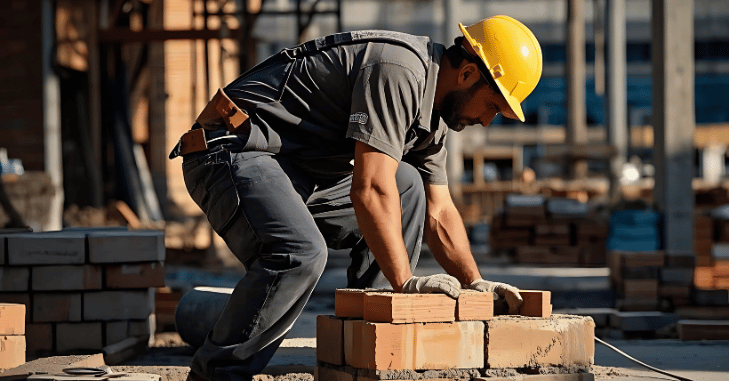
The future looks good for bricklayers! In the U.S., for example, the Bureau of Labor Statistics predicts a 5% increase in masonry jobs over the next decade. Other countries like the UK, Australia, and Canada also expect steady demand due to ongoing construction and infrastructure projects. The rise of green construction and renovation projects adds even more opportunities for skilled workers.
Governments worldwide are investing in infrastructure upgrades, which means more jobs for bricklayers. From bridges to schools to apartment complexes, the demand for masonry expertise isn’t slowing down anytime soon.
Skills and Training Needed to Become a Bricklayer
Becoming a successful bricklayer requires a combination of practical training, physical strength, and technical knowledge. Most bricklayers begin their careers through apprenticeships, where they learn on-site under the supervision of experienced professionals while also attending classroom-based instruction.
Key skills include the ability to read construction drawings, measure accurately, mix mortar correctly, and lay bricks in precise patterns to ensure structural stability. Physical endurance is also important, as the job involves long hours of manual labor in various weather conditions. Over time, continued practice and on-the-job experience help bricklayers develop speed, accuracy, and craftsmanship, which are essential for advancing in this skilled trade and increasing earning potential.
Conclusion
Bricklaying isn’t just a job. It’s a craft that helps build communities and landmarks. It offers solid earning potential and plenty of opportunities to grow, whether you’re just starting or looking to specialize. With the right skills and a bit of ambition, you can make a great living in this trade.
Bricklayers also enjoy the satisfaction of seeing their work become part of the physical world. Imagine pointing out a building to your friends and saying, “I helped build that!” It’s a career with both tangible and emotional rewards.
Apart from that if you want to know about “How to Fit Skirting Boards? A Comprehensive Step-by-Step Guide for a Professional and Seamless Finish” then please visit our “Home Improvement” Category.
FAQs
New bricklayers usually earn around $15–$20 per hour, depending on where they work. In some high-demand areas, even beginners might earn more.
Yes! Overtime can add a significant boost to their income, especially on big projects. Many bricklayers take advantage of overtime opportunities to increase their annual earnings.
Absolutely. Experienced bricklayers in high-demand areas or those with specialized skills can earn over $100,000 per year. Running a successful masonry business can also lead to six-figure incomes.
Yes, it’s a physically demanding job. But with proper training and the right tools, it’s manageable. Many bricklayers find the physical nature of the job rewarding and enjoy working outdoors.
Most bricklayers learn through apprenticeships or vocational programs. Some places may also require certifications. Hands-on experience is crucial for building skills and confidence.