

Introduction
If you’re wondering how to get into real estate, you’re in the right place. Learning how to get into real estate involves understanding the various roles in the industry, such as becoming a real estate agent, investor, or property manager. Whether you’re interested in how to get into real estate as a professional agent or through investing, the process requires education, networking, and gaining experience. This guide will provide you with the necessary steps to start your real estate career.
Practical Steps to Start a Career in Real Estate
Beginning a career in real estate requires a combination of education, licensing, and practical experience that lays a strong foundation for long-term success. Most aspiring professionals start by completing pre-licensing coursework, which covers essential topics such as property law, contracts, and ethics, and prepares them for the real estate licensing exam in their region. After passing this exam, new agents typically affiliate with a broker or brokerage firm, gaining hands-on experience while learning how to navigate listings, negotiations, and client relationships. Networking with other agents and attending industry events can also help build connections that are invaluable for referrals and mentorship. By taking these practical steps, individuals can transition into real estate with the skills and credibility needed to serve buyers and sellers effectively.
What Real Estate is involved? OR How To Get Into Real Estate?
Before you jump into real estate, it’s important to understand the basics. Real estate includes buying, selling, and renting properties. There are various paths, such as becoming an agent, a real estate investor, or even managing properties for others. Knowing your interests and goals will help you decide which direction to pursue. Understanding these roles gives clarity on “how to get into real estate.”
Choose Your Real Estate Path
You must choose the right career path. There are several options, including becoming a real estate agent, property manager, investor, or developer. Real estate agents help clients buy and sell homes, while property managers oversee rental properties. Investors purchase properties for profit. Pick the path that aligns with your skills and interests.
Get the Necessary Education
Depending on the path you choose, some level of education is required. For instance, real estate agents must complete a real estate course and pass exams to get licensed. If you’re thinking about investing, knowledge in finance, property evaluation, and market trends is crucial. Look for reputable real estate courses and certifications that offer practical knowledge to get started.

Obtain a Real Estate License (If Required)
For those who want to become real estate agents or brokers, getting a license is necessary. Each state has its licensing requirements, including pre-licensing courses and exams. To pass, you must show that you understand local laws, contracts, and ethical practices in real estate.
Build a Network in the Real Estate Industry
Networking plays a major role in real estate success. Whether you’re an agent, investor, or property manager, building relationships with other professionals can provide valuable insights and opportunities. Attend local real estate events, connect with mentors, and join online communities. Networking helps you learn the ropes more effectively.
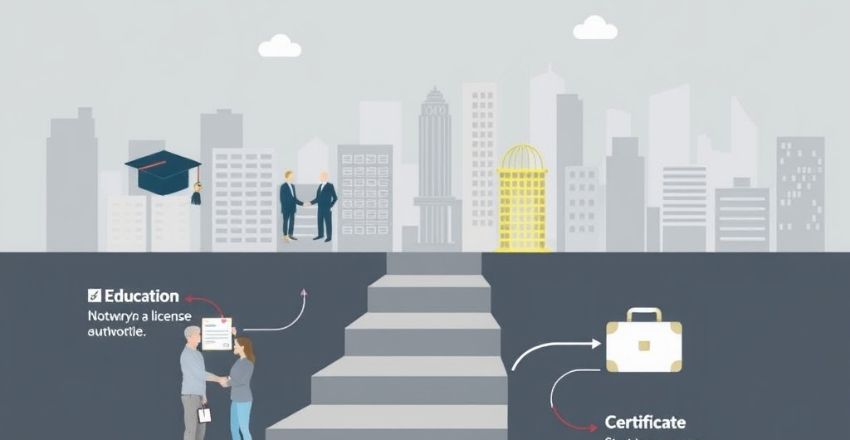
Gain Experience Through an Internship or Mentorship
Practical experience is essential in real estate. Internships or mentorship programs with established professionals can help you learn firsthand about the industry. You will gain insights into the daily responsibilities and challenges of real estate. Many real estate agents start by working with experienced agents before going independent.
Develop Essential Real Estate Skills
Real estate requires a combination of technical and soft skills. Key skills include communication, negotiation, problem-solving, and financial analysis. A strong work ethic and the ability to manage multiple tasks are also essential. Whether you’re an agent, investor, or manager, sharpening these skills will help you navigate the challenges of “how to get into real estate.”
Find Your Niche in the Market
Real estate offers a variety of niches, such as residential, commercial, or industrial properties. It’s important to specialize in a specific area of real estate that suits your strengths and interests. For example, you might focus on luxury homes, rentals, or real estate development. Identifying your niche is a crucial part of “how to get into real estate” successfully.
Secure Financing for Your First Investment (If Applicable)
If you’re pursuing real estate investment, securing financing is a major step. You’ll need to research different types of loans and funding options available for property investment. These may include traditional mortgages, private lenders, or real estate investment trusts (REITs). Understand how to manage finances and assess return on investment (ROI) before making any purchase.
Start Small and Scale Gradually
When you’re learning “how to get into real estate,” it’s a good idea to start small. Whether you’re buying your first property or starting as an agent, begin with manageable projects. For real estate investors, this could mean purchasing a single property to flip or rent out. By starting small, you can minimize risk and gain valuable experience that will help you scale your business over time.

Stay Up-to-Date with Market Trends
The real estate market is constantly changing. Understanding trends and market conditions will help you make smarter decisions. Whether it’s interest rates, property values, or new laws, staying informed is essential. Read industry publications, attend seminars, and regularly monitor the market to stay ahead. Knowing the market is crucial when asking “how to get into real estate” successfully.
Consider Continuing Education and Certifications
After gaining initial experience, many real estate professionals choose to continue their education. There are various advanced certifications and specialized courses available to increase your expertise. Whether it’s luxury real estate, commercial properties, or project management, continuing education can help you grow and specialize. These certifications can open doors and answer questions like “how to get into real estate” at a higher level.
Develop a Marketing Strategy
Real estate is a highly competitive industry, so having a solid marketing strategy is vital. For real estate agents, this might involve online listings, open houses, and personal branding. Investors often market their properties through various channels to reach potential buyers or renters. Developing a strategy will help you attract clients and customers.
Be Prepared for Challenges
Finally, it’s important to know that the real estate industry comes with its challenges. The market can be unpredictable, and the process of buying, selling, or managing properties can be complex. However, with persistence and knowledge, these challenges can be overcome. Being prepared and resilient will help you succeed in answering “how to get into real estate” even when faced with obstacles.

Challenges and Realities of Starting in Real Estate
Starting a career in real estate can be rewarding, but it also comes with several challenges that new professionals should be prepared for. Income is often irregular in the beginning since commissions depend on completed deals, which means it may take time to build financial stability.
Competition in the industry is also strong, requiring consistent effort in marketing, client communication, and personal branding to stand out. Additionally, understanding legal procedures, contracts, and local property laws can feel overwhelming at first, but they become easier with experience and continuous learning. Success in real estate depends largely on patience, persistence, and the ability to adapt to changing market conditions while building trust with clients over time.
Conclusion
In conclusion, understanding how to get into real estate is crucial for anyone looking to start a career in the industry. Whether you aim to become an agent, investor, or property manager, the process involves education, networking, and gaining experience. By following these steps, you’ll be well on your way to success in the real estate field.
If you want to read an interesting article about it, explore our “Real Estate” category.
FAQs
To start in real estate, choose your path, whether as an agent, investor, or manager, and obtain the necessary education or licensing to get started.
The three most important things in real estate are location, market trends, and financing, as they directly affect property values and investment potential.
An essential fact about real estate is that various factors, such as local economic conditions, interest rates, and supply and demand influence property values.
No, a college degree is not required. However, completing pre-licensing education and passing a licensing exam are mandatory in most regions.
The process typically takes a few months, depending on how quickly you complete coursework, pass the exam, and secure a brokerage.