
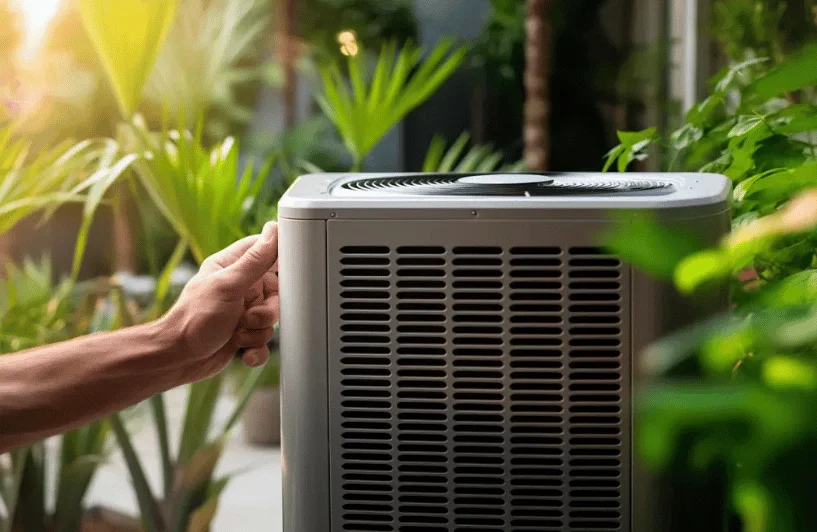

A portable AC can make one overheated UK room far more comfortable during a summer heatwave. The key is choosing enough cooling power and venting the exhaust hose correctly. Noise, room size, electricity use, and window type matter more than flashy smart features. Yes.
For most UK bedrooms, start by comparing 7,000–9,000 BTU units and check the maker’s room-size guidance. Larger living rooms may need 10,000–12,000 BTU or more. Choose a model with a proper window kit, acceptable noise, and power consumption that fits your electricity budget.
| Buying factor | Practical UK guidance |
|---|---|
| Cooling capacity | Start around 7,000–9,000 BTU for many bedrooms and small rooms. |
| Larger spaces | Consider roughly 10,000–12,000 BTU or higher. |
| Venting | A genuine compressor unit needs an exhaust hose to the outside. |
| Window sealing | Use a compatible sealing kit where possible. |
| Noise | Check measured low-speed noise, especially for bedrooms. |
| Electricity | Compare wattage and calculate cost from your tariff. |
| Useful modes | Cooling, fan, dehumidification, timer, and sleep mode |
| Good use case | Cooling one enclosed room during hot weather |
The cost examples below use Ofgem’s September 2026 average electricity rate of 26.11p per kWh. Actual tariffs vary by region, payment method, and contract type. Ofgem has also published a 26.32p average rate from 1 October 2026.
Key takeaways
- Size the unit for the room, not the whole property.
- Treat BTU as a starting point, then check the manufacturer’s room guidance.
- Vent hot exhaust air outside and seal the window opening where possible.
- Check low-speed noise before choosing a bedroom model.
- Compare wattage because running costs vary widely by capacity.
- Avoid mistaking an evaporative air cooler for a true refrigerant air conditioner.
How to Choose a Portable AC for a UK Home
Start with the room you want to cool and its most difficult conditions. A sunny loft bedroom needs more capacity than a shaded ground-floor room. Trendara’s broader air-conditioning unit guide can help when comparing portable and fixed systems.
Match BTU to room size.
BTU measures cooling capacity, so a larger number usually means more cooling potential. This suggests multiplying room length, width, and height in feet, then multiplying by five. Its general guidance says 5,000–8,000 BTU can suit many living rooms or bedrooms.
Treat that figure as a starting point rather than a guarantee. Strong sun, poor insulation, high ceilings, and several occupants can increase cooling demand. An undersized portable air conditioner may run longer while still leaving the room warmer than expected.
Plan the exhaust hose before buying.
A genuine refrigerant-based air conditioner must move absorbed heat outside the room. De’Longhi states its portable units require the supplied exhaust hose for normal operation. Which? also recommends window sealing because open gaps let warm air back inside.
UK window styles can make this step awkward, especially with outward-opening casement windows. Check the included kit before ordering, then measure the available hose route. Better glazing can also reduce unwanted heat transfer, so see Trendara’s energy-efficient windows guide for wider efficiency ideas.
Check bedroom noise carefully.
Portable machines place the compressor and fans inside the same room as you. Which? measured tested units ranged from 54.6 dBA to 67.4 dBA across its quietest and loudest examples. That difference can matter if you plan to sleep while the compressor cycles.
Sleep mode may lower fan speed, but it cannot make the compressor disappear. Look for published low-speed noise figures instead of marketing claims about quiet operation. Light sleepers may prefer pre-cooling the room before bedtime, then using a timer.
Portable Air Conditioner Running Costs in the UK
Running cost depends on wattage, runtime, and your electricity price. Ofgem’s average Direct Debit rate is 26.11p per kWh through 30 September 2026. A 1.2kW unit would cost about 31p per hour at that rate.
| Power draw | Approximate cost per hour at 26.11p/kWh | Approximate six-hour cost |
|---|---|---|
| 0.8kW | 21p | £1.25 |
| 1.0kW | 26p | £1.57 |
| 1.2kW | 31p | £1.88 |
| 1.4kW | 37p | £2.19 |
| 1.6kW | 42p | £2.51 |
Use the simple formula: power in kW multiplied by your pence-per-kWh tariff. Real use can differ because compressors cycle after the room approaches its target temperature. Trendara’s electric-heater running-cost guide uses the same basic cost logic for heating appliances.
Compare Cooling Options Before You Buy
A portable air conditioner is not the only way to improve summer comfort. Fans cost less to run, while split systems usually suit frequent cooling better. Air coolers occupy the middle ground but do not remove heat like refrigerant-based air conditioning.
| Option | Low upfront cost | Low running cost | Lowers room temperature | Needs outdoor venting | Best fit |
|---|---|---|---|---|---|
| Fan | Yes. | Yes. | No | No | Mild heat and personal cooling |
| Evaporative air cooler | Usually | Usually | Limited | No | Dry conditions and personal airflow |
| Portable air conditioner | Medium | Medium to high | Yes. | Yes. | One enclosed room |
| Split air conditioner | High | Often lower per cooling output | Yes. | Fixed installation | Frequent or long-season cooling |
Verdict for most UK homes
For a UK bedroom with an accessible window, a 7,000–9,000 BTU unit is a sensible starting point. Larger living rooms often justify 10,000–12,000 BTU, especially with strong afternoon sun. Frequent whole-summer cooling can make a professionally installed split system worth comparing.
Pros and Cons by Cooling Capacity
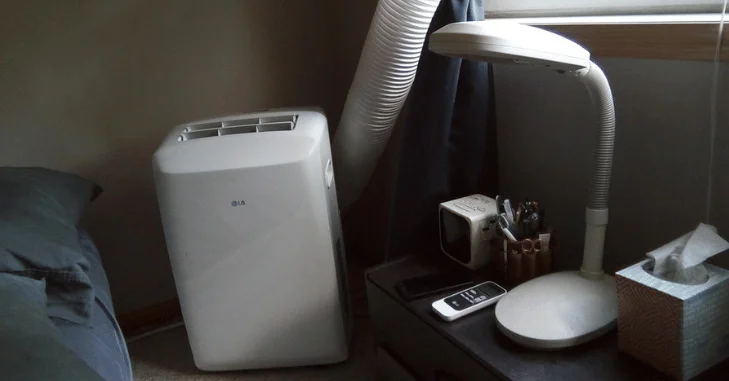
Around 7,000 BTU
This class suits smaller rooms where space and purchase price matter. It can be easier to move and store between heatwaves. The main risk is buying too little capacity for a hot or poorly insulated room.
Pros
- Usually smaller and lighter.
- Often cheaper to buy and run.
Cons
- Can struggle in larger rooms.
- May run continuously during stronger heat.
Around 9,000 BTU
This size is a flexible middle choice for bedrooms, offices, and smaller living rooms. Many current UK models sit near this capacity, so choice is broad. Weight and noise still vary enough to compare individual specifications.
Pros
- Balanced capacity for many single rooms.
- Wide choice across mainstream brands.
Cons
- Still bulky for small flats.
- Bedroom noise can remain noticeable.
Around 12,000 BTU
Higher-capacity units suit larger or hotter rooms that overwhelm smaller machines. They can cool faster when correctly matched to the space. They also tend to draw more power and need more storage space.
Pros
- Better suited to larger rooms.
- More reserve capacity during hotter periods.
Cons
- Higher electricity demand.
- Usually heavier and more expensive.
Features Worth Paying For
Prioritise features that improve daily use rather than adding complexity. A good window kit and sensible controls usually matter more than voice commands. Dehumidification can also improve comfort when indoor air feels warm and sticky.
- A window kit that matches your window style.
- A clear thermostat and 24-hour timer.
- Washable or replaceable filters.
- Castors and useful carrying handles.
- A dehumidification mode.
- A low-speed or sleep setting.
- Automatic restart after short power interruptions.
- Smart controls only if you will use them.
Common Buying Mistakes to Avoid
The biggest mistake is treating every cooling appliance as the same product. A fan moves air, while a true air conditioner transfers heat outside. A hoseless product is usually an air cooler rather than a compressor-based room air conditioner.
- Buying before checking the exhaust route.
- Choosing BTU from price alone.
- Ignoring low-speed noise for bedroom use.
- Leaving large gaps around the window hose.
- Comparing running costs without checking wattage.
- Expecting one unit to cool several closed rooms.
- Using an extension lead instead of a suitable wall socket.
Which advises plugging an air conditioner directly into the mains rather than using an extension lead. It also recommends allowing space around the appliance for airflow. Always follow the model-specific installation and electrical instructions supplied by the manufacturer.
How to Get Better Cooling for Less Electricity
Close the room door and reduce direct sunlight before switching the unit on. Curtains or blinds can reduce solar heat entering through exposed windows. Sealing obvious gaps around the exhaust opening also helps the machine work against less incoming heat.
Set a comfortable target rather than the coldest available temperature. Once the room stabilizes, use lower fan settings or a timer where suitable. For broader home advice, Trendara’s Home Improvement section covers more ways to improve comfort and efficiency.
Frequently Asked Questions
Does a portable AC need a hose?
Yes, a true refrigerant-based unit normally needs an exhaust hose to move heat outdoors. Running it without proper exhaust prevents the machine from removing room heat effectively. Some “hoseless” products are evaporative air coolers instead.
Do portable air conditioners work in UK homes?
Yes, they can cool an enclosed room when sized and vented correctly. Performance drops when hot air leaks through an unsealed window opening. They work best when the door stays closed, and the exhaust route remains short.
What BTU should I choose for a bedroom?
Start with room measurements and the manufacturer’s recommended coverage. Which? gives 5,000–8,000 BTU as a general range for many bedrooms and living rooms. Hot loft rooms or larger spaces may need more capacity.
How much does a portable air conditioner cost to run?
Multiply the unit’s kilowatt rating by your electricity price per kWh. At 26.11p per kWh, a 1.2kW machine costs about 31p per hour. Your actual cost changes with tariff, thermostat cycling, and selected mode.
Is a portable unit better than a fan?
A fan is cheaper and quieter, but it does not remove heat from the room. Refrigerant air conditioning can reduce room temperature because it moves heat outdoors. Choose based on whether you need personal cooling or a cooler room.
Next Step
Before buying a portable air conditioner, measure the room and confirm exactly how you will vent it. Compare BTU, low-speed noise, wattage, hose length, and the supplied window kit. Those checks prevent more regret than paying extra for app control or decorative features.