

Introduction
In today’s energy-conscious world, finding an electric heater that keeps you warm without inflating your electricity bill is more important than ever. With rising utility costs and a growing demand for efficient home appliances, many consumers are asking, What is the cheapest electric heater to run in 2025? The answer lies not just in price tags or wattage, but in understanding how different types of heaters work, how to use them effectively, and which models offer the best value for money.
Ultimately, the cheapest electric heater to run isn’t just about a low price tag; it’s about delivering heat efficiently, exactly where and when it’s needed, without inflating your electricity bill.
This article explores the most cost-efficient electric heaters available today, particularly infrared heaters, while also diving into the mechanics of electric heating, key features to consider, and practical tips to minimize energy consumption without sacrificing comfort.
| Heater Type | Heating Method | Best For | Typical Cost/Hour | Efficiency |
| Infrared Heaters | Radiant | Spot heating, small rooms | £0.20–£0.35 | Very High |
| Oil-Filled Radiators | Radiant + Convection | Sustained room warmth | £0.30–£0.45 | High |
| Panel Heaters | Convection | Wall-mounted, steady heating | £0.25–£0.40 | High |
| Convection Heaters | Convection | Whole-room heating | £0.30–£0.50 | Medium |
| Fan Heaters | Convection (fan-blown) | Quick, short-term heat | £0.40–£0.60 | Medium |
The Cheapest Electric Heater to Run
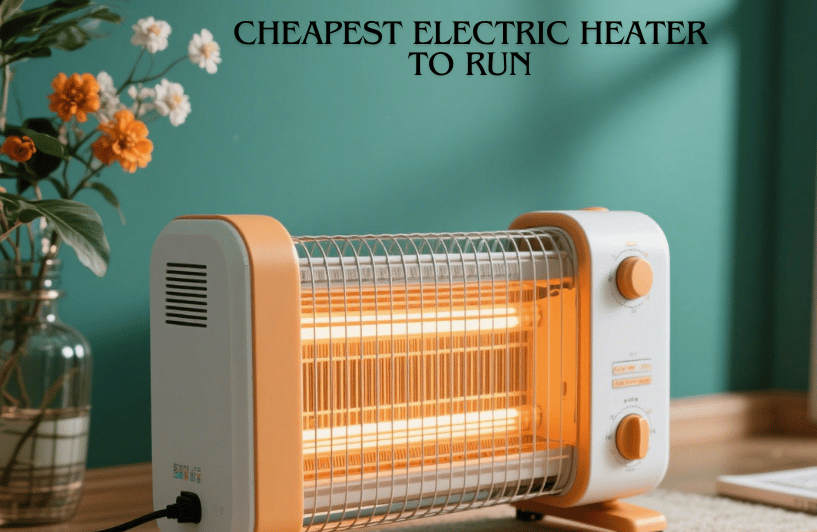
The cheapest electric heater to run in 2025 is typically one that combines low wattage with high efficiency and smart energy-saving features, making infrared heaters a leading contender in this category. Unlike traditional convection heaters that warm the air, infrared heaters work by directly heating objects and people in their path, like the way the sun heats the Earth.
This method reduces energy waste and provides warmth almost instantly, which means they don’t have to stay on as long to be effective, cutting down on electricity costs. Models such as the Warmlite WL42005N Infrared Panel Heater in the UK or the Heat Storm HS-1000-WX-WIFI Infrared Wall Heater in the US are excellent examples, offering low running costs, smart thermostatic control, and even Wi-Fi connectivity to optimize usage.
These heaters are best used for spot heating or in small- to medium-sized, well-insulated rooms. To further reduce costs, look for models with eco-modes, programmable timers, and thermostats that help avoid overheating and unnecessary energy use.
Understanding Electric Heaters
Electric heaters convert electrical energy into heat through resistive heating. When electricity flows through a heating element, it encounters resistance, generating heat. This heat is then distributed into the room either by radiation, convection, or a fan.
The amount of electricity consumed is measured in kilowatt-hours (kWh). To calculate the cost of running an electric heater, use this formula:
Running Cost (per hour) = Power Rating (kW) × Electricity Rate (pence/kWh)
For example, a 2kW heater at a rate of 30p per kWh will cost 60p per hour to run.
Key Factors That Influence Running Costs
- Wattage—Higher wattage equals more heat, but also more electricity used.
- Heating Efficiency—How well the unit converts electricity into usable heat.
- Thermostat Control—Maintains room temperature without overuse.
- Timer Functions—Helps avoid unnecessary operation.
- Room Size—Larger rooms need more powerful heaters.
- Insulation Quality—Poorly insulated rooms lose heat quickly, increasing usage time.
Types of Electric Heaters: Which Is the Cheapest to Run?
Here’s a comparison of the most common types of electric heaters and how they stack up in terms of efficiency and cost-effectiveness.
| Type | Heating Method | Best For | Typical Cost/Hour | Efficiency |
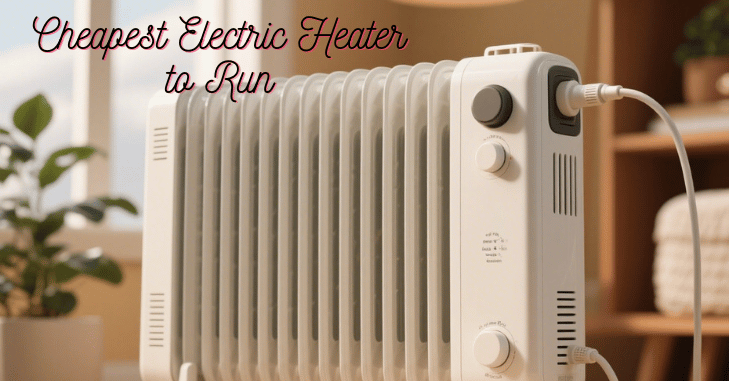
| Oil-Filled Radiators | Radiant + Convection | Sustained warmth in rooms | £0.30–£0.45 | High |
| Infrared Heaters | Radiant | Spot heating | £0.20–£0.35 | Very High |
| Fan Heaters | Convection | Quick, short-term heat | £0.40–£0.60 | Medium |
| Convection Heaters | Convection | Whole-room heating | £0.30–£0.50 | Medium |
| Panel Heaters | Convection | Wall-mounted, steady heat | £0.25–£0.40 | High |
Why Infrared Heaters Are the Cheapest to Run
Infrared heaters are often considered the cheapest electric heaters to run. They work by emitting infrared rays that directly warm people and objects in their path, similar to how the sun heats the Earth. This means they don’t waste energy heating air, which can quickly dissipate in poorly insulated rooms.
Advantages
- Direct, instant heat
- Low energy consumption
- Silent operation
- Ideal for spot or zone heating
- No dust circulation, good for allergy sufferers
Disadvantages
- Less effective for large spaces
- Limited coverage area
- May require direct line-of-sight
Budget-Friendly Infrared Heater Models (UK & US)
Here are some affordable and efficient infrared heaters available in 2025 for both the UK and US markets. In the UK, the Pro Breeze® 1800W Ceramic Heater with Thermostat stands out as a budget-friendly option, priced around £45. It’s portable, features an oscillation function for even heat distribution, and includes a built-in timer for convenience.
Another strong choice is the Warmlite WL42005N Infrared Panel Heater, costing approximately £70. This wall-mountable unit boasts a sleek, space-saving design and is known for its low energy consumption.
For the US market, the Dr. Infrared Heater Portable Space Heater is a top pick, retailing at about $100. It combines infrared and convection heating for faster, more efficient warmth and includes an adjustable thermostat and eco mode to help cut energy use.
Tips to Further Reduce Heating Costs
Even with an energy-efficient heater, your usage habits make a big difference. Here’s how to maximize heat and minimize cost:
- Use zonal heating—only heat rooms you’re using.
- Seal Drafts—Use door sweeps, window insulation, and heavy curtains.
- Wear Layers Indoors— Warm clothing can reduce the need for heating.
- Set the Thermostat Wisely—Lower it slightly; even 1°C makes a difference.
- Use Timers—Schedule the heater to turn off automatically.
- Close Internal Doors—Traps heat in the room being heated.
- Combine with Passive Heat Sources—Open blinds during sunny hours to let natural heat in.
When to Avoid Electric Heaters
Electric heaters, while highly efficient for short-term or zonal heating, may not be the most economical choice in certain situations. For instance, using them for whole-house heating over extended periods can lead to significantly higher electricity bills compared to centralized systems.
Similarly, in poorly insulated spaces, much of the generated heat can escape quickly, making electric heaters work harder and consume more energy. In extremely cold climates where consistent and powerful heating is necessary, electric heaters may struggle to maintain warmth efficiently without assistance from a backup heating system.
In these cases, alternatives like central heating systems powered by gas or modern heat pumps tend to be more cost-effective and sustainable in the long run.
Read More: – JBL Pulse 5: The Ultimate Portable Speaker with Immersive Sound and Customizable Light Show
Conclusion
Choosing the cheapest electric heater to run, looking beyond upfront costs, and focusing on energy efficiency, smart features, and targeted usage. Infrared heaters continue to outperform other types in terms of cost-effectiveness, especially for zonal or short-term heating in well-insulated spaces.
However, it’s also crucial to assess your overall heating needs, because while electric heaters are excellent for specific scenarios, they may not be suitable for long-term, whole-house heating in colder climates. By understanding your environment, usage patterns, and heating technology, you can make a smart and sustainable heating choice that balances comfort with affordability.
Want to know about ‘Choosing the Right Electric Shavers for Men‘? Check out our ‘Tech‘ category.
FAQs
Electric heaters are cheaper to install but can be more expensive to run than gas heating for long-term, whole-house use.
No. Efficiency, wattage, and usage style all affect running costs. Infrared heaters are typically the cheapest.
Not necessarily. A low-wattage heater may run longer to heat the space, potentially using more electricity overall.
Only if it’s specifically designed for overnight use and has safety features like overheat protection and thermostatic control.