

Rapeseed oil is one of the most widely used cooking oils in the UK and across Europe, found in everything from homemade salad dressings to baked goods and ready-made meals.
Yet despite its everyday presence in kitchens and supermarkets, many people still wonder, is rapeseed oil bad for you? With growing debates around seed oils, processed foods, and heart health, confusion has become common.
The truth is not a simple yes or no. Rapeseed oil can be a beneficial part of a balanced diet, but its health impact depends on factors such as how it is processed, how much is consumed, and the overall quality of your diet and lifestyle.
| Category | Key Points |
| What Is Rapeseed Oil Bad for You? | Seed oil from Brassica napus; canola oil = low-erucic version; cold-pressed or refined. |
| Types | Cold-pressed: more nutrients, nutty flavor; Refined: neutral, high smoke point, longer shelf life. |
| Nutrition | Low saturated fat, high monounsaturated fat, omega-3 (ALA), vitamin E, cholesterol-free. |
| Heart Health | Reduces LDL, improves lipid profile, heart-friendly. |
| Scientific Evidence | Safe in moderation, supports an unsaturated fat diet, and has no proven harm. |
| Concerns | Processing, omega-6, and historical erucic acid are found in processed foods. |
| Long-Term Safety | Safe in a balanced diet, calorie-dense, moderation & proper storage are important. |
| Comparison | Similar to olive oil, better omega-3 than sunflower, and lower saturated fat than coconut. |
| Verdict | Not bad for you; heart-friendly when used moderately. |
What Is Rapeseed Oil Bad for You?

Rapeseed oil is extracted from the seeds of the rapeseed plant, scientifically known as Brassica napus, and is widely used in cooking throughout the UK and Europe. In North America, a specially developed low-erucic acid version is commonly called canola oil.
When asking, is rapeseed oil bad for you? It is important to understand that there are two main types available: cold-pressed and refined. Cold-pressed rapeseed oil is mechanically extracted without high heat or chemical solvents, which helps retain more natural flavor and antioxidant compounds.
Refined rapeseed oil, on the other hand, is processed further to create a neutral taste, longer shelf life, and higher smoke point, making it suitable for high-temperature cooking.
Nutritional Profile
- Composed almost entirely of fat with a highly balanced fatty acid profile
- Naturally low in saturated fat compared to many other cooking fats
- Rich in monounsaturated fats, like olive oil
- Contains polyunsaturated fats, including alpha-linolenic acid (ALA), a plant-based omega-3 fatty acid
- Provides vitamin E, which functions as an antioxidant in the body
- Cholesterol-free
- Often recommended as a heart-conscious alternative to butter or lard
Potential Health Benefits
Heart Health Support
One of the strongest arguments in favor of rapeseed oil is its positive impact on cardiovascular health. Diets that replace saturated fats with unsaturated fats are associated with improved cholesterol profiles.
Rapeseed oil’s high monounsaturated fat content may help reduce LDL cholesterol levels when used instead of saturated fat sources. Maintaining healthy cholesterol levels plays a crucial role in reducing the risk of heart disease over time.
Omega-3 Contribution
The presence of alpha-linolenic acid provides a plant-based source of omega-3 fatty acids. Omega-3s are linked to reduced inflammation and improved blood vessel function. While ALA is not as biologically active as marine-based omega-3s, it still contributes to overall dietary balance.
Antioxidant Properties
Vitamin E in rapeseed oil helps protect cells from oxidative stress. Oxidative damage has been linked to chronic diseases, including heart disease. Cold-pressed varieties may retain slightly higher antioxidant levels compared to refined oils.
Versatility in Cooking
Refined rapeseed oil has a relatively high smoke point, making it suitable for roasting, baking, and moderate-temperature frying. This stability can reduce the formation of harmful compounds that occur when oils are overheated.
What Does Scientific Evidence Say?
- Research supports replacing saturated fats with unsaturated fats to improve heart health
- Helps reduce LDL (“bad”) cholesterol levels
- Improves overall blood lipid profiles
- Supports better cardiovascular risk markers
- Clinical studies on rapeseed oil show positive outcomes
- Diets including rapeseed oil can lower LDL cholesterol
- May contribute to improved heart health when used instead of saturated fats
- Major health organizations recognize rapeseed oil as safe
- Considered heart-friendly when part of a balanced diet
- Approved for regular consumption within recommended limits
- No strong scientific evidence shows harm
- Safe when used appropriately
- No proven long-term health risks in moderate amounts
Concerns and Controversies
Processing and Refinement
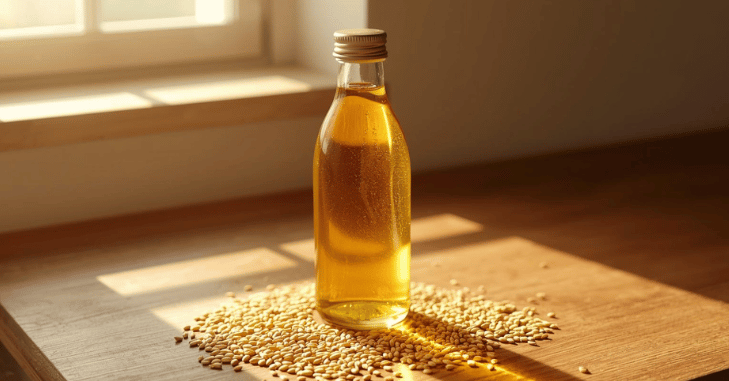
Refined rapeseed oil is typically extracted using heat and sometimes solvents before deodorizing. When asking “is rapeseed oil bad for you?” it’s important to note that while food safety regulations ensure the final product is safe for consumption, this refining process may reduce certain nutrients compared to cold-pressed varieties.
Erucic Acid History
Earlier forms of rapeseed oil contained high levels of erucic acid, which caused heart problems in animal studies. Modern rapeseed oil has been specifically bred to contain very low levels of erucic acid, and regulatory authorities tightly control its safety limits. Current evidence indicates that approved rapeseed oil products are safe for human consumption.
Omega-6 Debate
Some critics argue that vegetable oils contribute to inflammation due to omega-6 fatty acids. However, rapeseed oil has a more balanced omega-6 to omega-3 ratio compared to many other seed oils. Scientific evidence does not clearly show that moderate consumption of rapeseed oil promotes inflammation in healthy individuals.
Association with Processed Foods
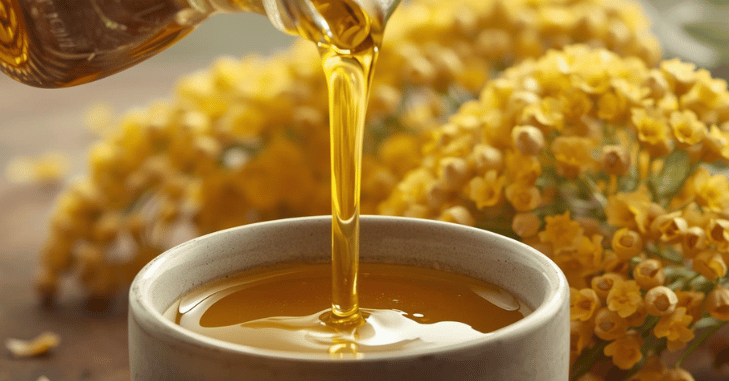
Rapeseed oil is commonly found in ultra-processed foods. In these cases, potential health risks usually stem from the overall nutritional profile of the product rather than the oil itself. A diet high in refined snacks and ready meals is more concerning than the presence of rapeseed oil alone.
Cold-Pressed vs Refined Rapeseed Oil
Cold-pressed rapeseed oil retains more of its natural flavor and antioxidant compounds, giving it a slightly nutty taste that works well in salad dressings and light cooking.
When considering “is rapeseed oil bad for you,” it’s worth noting that cold-pressed oil preserves more nutrients compared to refined rapeseed oil, which has a neutral flavor and higher heat tolerance, making it more suitable for roasting, frying, and other high-temperature cooking methods.
Long-Term Safety
- Current research suggests rapeseed oil is safe for long-term consumption when included in a balanced diet
- Like all fats, it is calorie-dense
- Excessive intake may contribute to weight gain
- Weight gain increases the risk of heart disease, diabetes, and other chronic conditions
- Moderation is essential for maintaining overall health
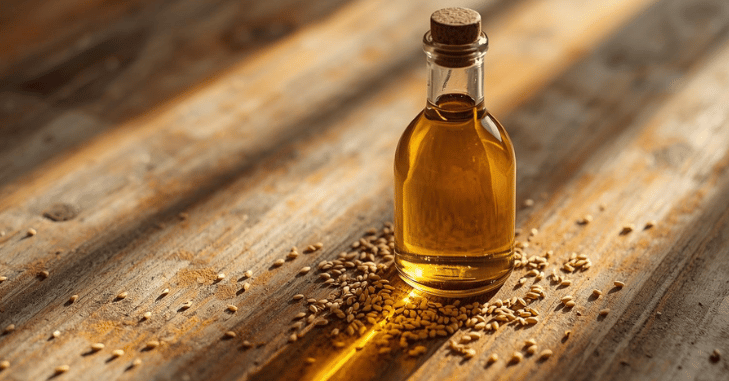
- Proper storage helps maintain quality
- Store in a cool, dark place to prevent oxidation
- Avoid repeated overheating or reusing oil multiple times for frying to reduce potential health risks
Is Rapeseed Oil Bad for Your Heart?
Current evidence suggests that rapeseed oil may actually support heart health rather than harm it. Its fatty acid profile aligns with dietary recommendations aimed at reducing cardiovascular risk.
Replacing saturated fats with rapeseed oil can help improve cholesterol levels. However, heart health depends on overall dietary patterns, physical activity, genetics, and lifestyle factors. No single oil determines long-term outcomes on its own.
Comparison with Other Cooking Oils
Rapeseed Oil vs Olive Oil
- Similar monounsaturated fat content
- Olive oil contains higher levels of polyphenols and antioxidants
- Both are considered heart-friendly options
Rapeseed Oil vs Sunflower Oil
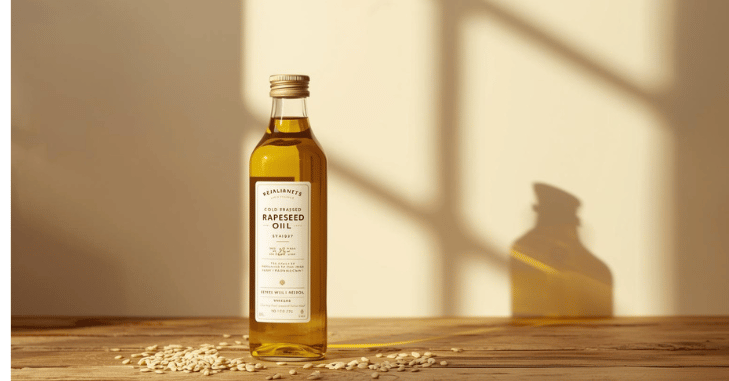
- Rapeseed oil provides a more balanced fatty acid profile
- Contains omega-3 fatty acids, which sunflower oil typically lacks in significant amounts
- Lower saturated fat compared to some sunflower varieties
Rapeseed Oil vs Coconut Oil
- Contains significantly less saturated fat
- Generally considered more favorable for heart health
- Better aligned with recommendations to reduce saturated fat intake
Overall Perspective
- Each cooking oil has strengths and limitations
- Rotating different healthy oils can provide better nutritional variety
Conclusion
So, is rapeseed oil bad for you? Based on current scientific research and nutritional evidence, the answer is no, rapeseed oil is not inherently harmful when consumed in moderation as part of a balanced diet.
In fact, its low saturated fat content, beneficial monounsaturated fats, and presence of omega-3 fatty acids make it a heart-conscious choice for many people.
Ultimately, whether you choose cold-pressed or refined, the key lies in overall dietary habits, portion control, and food quality. Rather than asking only “Is rapeseed oil bad for you,” it is more helpful to consider how it fits into your total lifestyle and nutrition pattern.
FAQs
Erucic acid, a fatty acid found in rapeseed oil, has been linked to heart tissue damage, particularly myocardial lipidosis.
Depending on how it is made, rapeseed oil may or may not be regarded as ultra-processed (UPF).
Because of its high concentration of monounsaturated fats and antioxidants, extra virgin olive oil (EVOO) is generally regarded as the healthiest all-purpose cooking oil.
You should avoid: Soybean oil. Corn oil. Canola and rapeseed oil.