
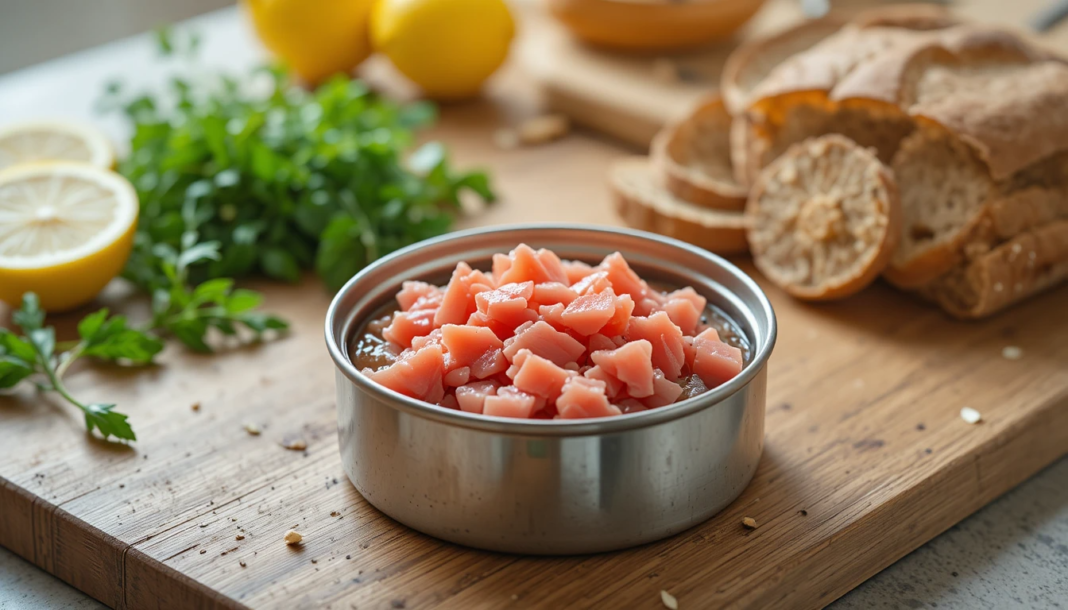

In the world of fitness and convenient nutrition, few staples are as revered as the humble can of fish. For decades, bodybuilders, busy professionals, and students alike have turned to this pantry essential as a reliable source of lean muscle-building fuel.
But beyond the convenience, many health-conscious individuals find themselves asking exactly how much protein in a tin of tuna? They are actually consuming to meet their daily macros.
Understanding the nutritional density of this seafood favorite is essential for anyone looking to optimize their diet. Whether you are aiming for weight loss, muscle hypertrophy, or simply a balanced lifestyle, tuna offers a high-protein, low-fat profile that is hard to beat.
| Category | Tuna in Water (120–150g) | Tuna in Oil (120–150g) | Fresh Tuna (100g) |
| Calories | 120–150 kcal | 180–250 kcal | 130–160 kcal |
| Protein | 25–30 g | 25–28 g | 22–25 g |
| Fat | 1–3 g | 8–15 g | 5–7 g |
| Carbohydrates | 0 g | 0 g | 0 g |
| Omega-3 Fatty Acids | 0.2–0.5 g | 0.3–0.6 g | 0.5–1.0 g |
| Sodium | 200–400 mg | 300–500 mg | 40–60 mg |
| Vitamin B12 | 2–4 mcg | 2–4 mcg | 2–5 mcg |
| Vitamin D | 50–100 IU | 40–80 IU | 150–250 IU |
| Selenium | 60–80 mcg | 60–80 mcg | 70–90 mcg |
Daily Protein Contribution Guide
| Body Weight | Minimum Protein Need | Active Individual | Protein from 1 Tin | % of Daily Needs Covered |
| 50 kg | 40 g | 60–100 g | 25–30 g | 30% – 75% |
| 60 kg | 48 g | 72–120 g | 25–30 g | 25% – 62% |
| 70 kg | 56 g | 84–140 g | 25–30 g | 20% – 53% |
| 80 kg | 64 g | 96–160 g | 25–30 g | 16% – 47% |
The Core Question: How Much Protein in a Tin of Tuna?

The protein content in tuna can vary slightly depending on the species of fish and the liquid it is packed in (Water, brine, or Oil). On average, a standard 160g tin (with a drained weight of approximately 112g to 120g) provides a substantial punch of nutrition.
Protein Content by Variety
- Skipjack (Chunk Light): This is the most common variety found in supermarkets. A drained 120g portion typically contains about 28-30 grams of protein.
- Albコア (Solid White): Known for its firmer texture and milder flavor, Albacore is slightly more protein-dense, often yielding 30 to 32 grams of protein per drained tin.
- Yellowfin: Often sold as “premium” canned tuna, it mirrors the protein profile of Albacore, providing roughly 31 grams per serving.
The Role of Packing Liquids
When calculating how much protein is in a tin of tuna, the liquid matters primarily for calorie and fat counts, not for the protein itself.
- In Spring Water: The purest way to get your protein without added fats.
- In Brine: High in protein, but keep an eye on the sodium levels, which can lead to water retention.
- In Sunflower/Olive Oil: Adds healthy (or less healthy) fats and calories, which might be beneficial for those on a bulking cycle but less ideal for strict weight loss.
Nutritional Breakdown: Beyond Just Protein
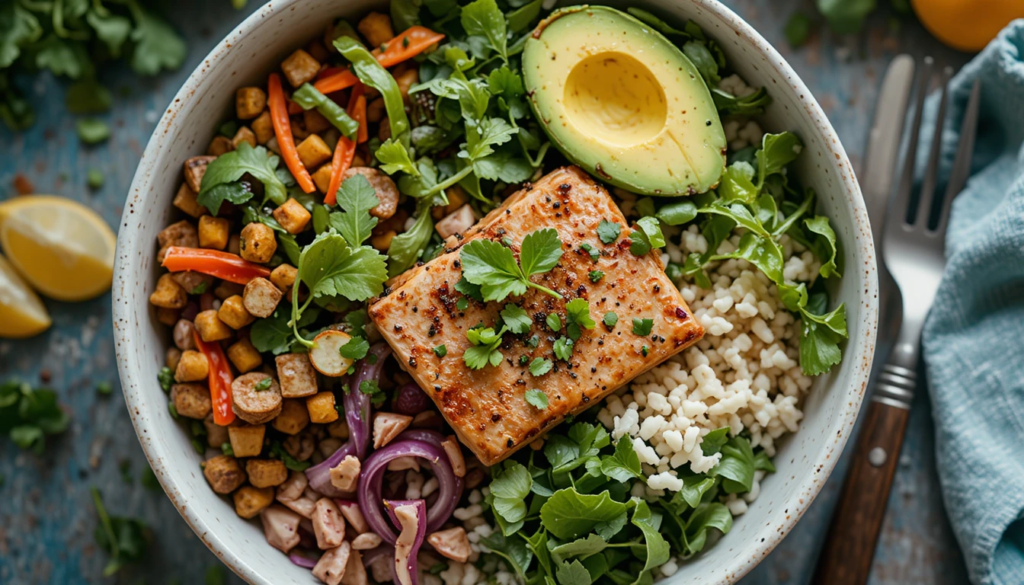
While protein is the headline act, tuna is a complex nutritional powerhouse. It is one of the best sources of long-chain omega-3 fatty acids, which are crucial for heart and brain health.
Health Benefits of Regular Tuna Consumption
Integrating tuna into your weekly meal prep offers more than just a high protein-to-calorie ratio. The micronutrients found in each tin support various bodily functions.
Cardiovascular Support
The Omega-3 fatty acids (EPA and DHA) found in tuna help reduce cellular inflammation and lower blood pressure. Regular consumption is linked to a decreased risk of heart disease and stroke.
Metabolic Efficiency and Muscle Repair
Because a tin of tuna provides a lot of protein relative to its low caloric footprint, it is a “thermogenic” food. Your body burns more calories digesting protein than it does fats or carbs. Additionally, the amino acid profile in tuna is “complete,” meaning it contains all nine essential amino acids required for muscle tissue repair and growth.
Cognitive Function and Mood
Tuna is exceptionally high in Vitamin B12, which is vital for DNA synthesis and the maintenance of the nervous system. Low levels of B12 are often linked to brain fog and fatigue.
The Safety Guide: Mercury and Sustainability

One cannot discuss tuna without addressing mercury. Because tuna are predatory fish, they accumulate trace amounts of methylmercury over time.
- Frequency Matters: For most adults, eating 2–3 tins of “light” (Skipjack) tuna per week is considered safe and beneficial.
- Choose Smaller Fish: Skipjack tuna are smaller and shorter-lived than Albacore, meaning they generally contain significantly less mercury.
- Sustainability: Look for “Pole and Line Caught” or “Dolphin Safe” labels to ensure your protein source isn’t harming the marine ecosystem.
Environmental and Sustainability Considerations
While tuna is nutritious, sustainability is an important factor because many tuna fisheries face pressure from overfishing, bycatch, and habitat impacts. To make better choices, look for brands that follow responsible fishing practices and support long-term recovery of fish stocks.
One of the easiest ways to check is to look for credible certifications, such as MSC (Marine Stewardship Council), which helps indicate that the fishery meets standards for sustainable sourcing.
You can also reduce your impact by choosing species and products from non-overfished populations when alternatives are available, and by preferring suppliers that publish transparent information about where and how their tuna is caught.
Finally, practicing mindful consumption—such as varying your protein sources and limiting how often you buy high-impact options—helps protect marine ecosystems and encourages healthier oceans for the future.
How to Optimize Your Daily Intake
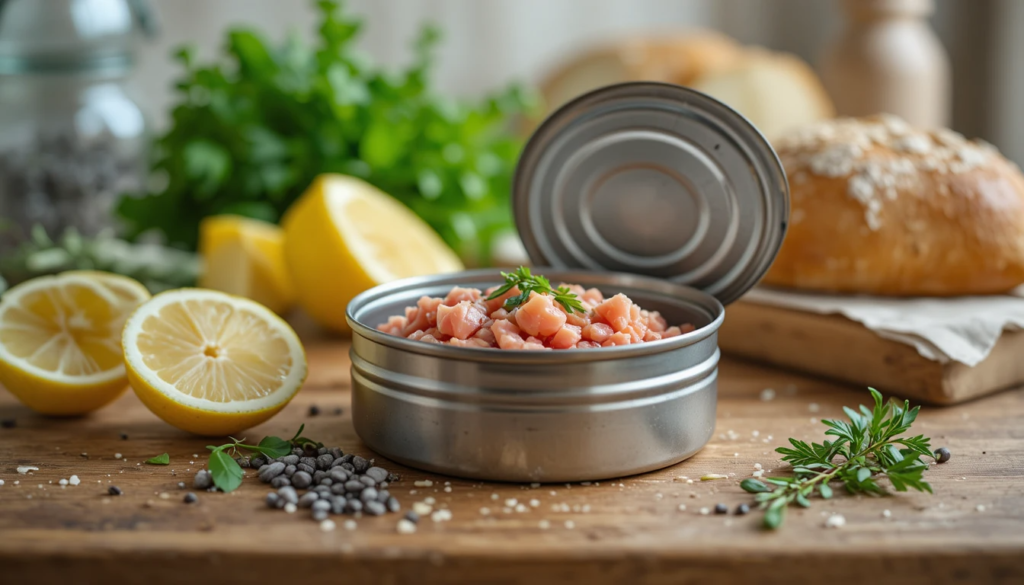
To maximize the benefits of the protein found in your tuna, timing and pairing are key.
Post-Workout Recovery
Since the protein in canned tuna is easily digestible, it makes for an excellent post-gym snack. Pairing a tin with a fast-acting carbohydrate, such as white rice or a whole-wheat wrap, helps deliver amino acids into muscle cells more effectively.
Creative Ways to Serve
- The Mediterranean Bowl: Mix tuna with chickpeas, olives, cucumber, and lemon juice.
- Protein-Packed Salad: Use Greek yogurt instead of mayonnaise in a tuna salad to boost protein even further.
- Tuna Cakes: Mix with an egg and some oat flour, then pan-sear for a warm, savory meal.
Conclusion
When you evaluate how much protein is in a tin of tuna, it becomes clear why this remains a gold standard for nutritional efficiency. Offering nearly 30 grams of high-quality protein for roughly 120 calories, it is a versatile tool for anyone looking to improve their body composition.
By choosing the right variety, being mindful of mercury levels, and pairing it with whole-food ingredients, you can turn a simple tin into a gourmet, health-boosting powerhouse. Whether you are hitting the gym or just trying to stay satiated during a long workday, the “black-belt” of the pantry has you covered.
Want to know about How Many Calories in Pint of Guinness? A Complete Guide to Nutrition, Carbs, Alcohol Content, and Weight Impact Check out our Food category.
FAQs
A typical tin (120–150g drained) contains 25–30 grams of protein, making it one of the most protein-dense convenient foods available.
No, both contain similar protein levels (around 25–30g). The difference is that tuna in Oil has more calories and fat, while tuna in Water is leaner.
Yes, tuna is a complete protein, meaning it provides all nine essential amino acids your body needs for muscle growth and repair.
No, cooking does not significantly reduce protein. However, some vitamins may decrease slightly with heat.