
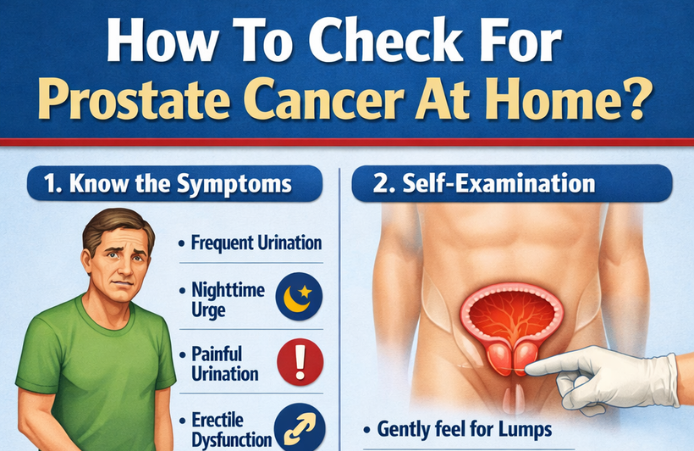

How To Check For Prostate Cancer At Home? This question reflects a growing awareness among men about the importance of early detection and proactive health monitoring.
While prostate cancer cannot be diagnosed without medical testing, individuals can watch for warning signs such as changes in urination patterns, persistent pelvic or back pain, erectile difficulties, and unexplained fatigue.
Health organizations, such as the World Health Organization, emphasize the value of early recognition and timely medical consultation in improving outcomes.
Self-monitoring, including tracking symptoms and noting physical changes, can help identify potential concerns and support more informed discussions with healthcare professionals. However, home observation should complement, not replace, regular screenings and professional medical evaluations.
| Category | Key Points |
| Home Monitoring | Symptom awareness |
| Diagnosis Limits | Not self-diagnosable |
| Urination Changes | Frequency, urgency |
| Urine Flow | Weak stream |
| Pain Symptoms | Pelvic, back pain |
| Ejaculation Pain | Discomfort warning |
| Erectile Changes | Dysfunction signs |
| Blood Presence | Urine or semen |
| General Symptoms | Fatigue, weight loss |
| Symptom Tracking | Health diary |
| Pain Monitoring | Record intensity |
| Sexual Health | Libido changes |
| Screening Age | 50+ recommended |
| PSA Test | Blood marker test |
| DRE Exam | Physical prostate check |
| Doctor Visit | Persistent symptoms |
| High Risk Group | Family history |
| Healthy Diet | Fruits, vegetables |
| Exercise | Regular activity |
| Weight Control | Maintain BMI |
| Smoking | Quit tobacco |
| Mental Health | Anxiety management |
| Support Systems | Family, counseling |
| Early Detection | Better outcomes |
How To Check For Prostate Cancer At Home?

Checking for prostate cancer at home involves being vigilant about early warning signs and changes in your body. Key indicators include alterations in urination patterns, such as increased frequency or urgency, difficulty starting or stopping urination, and painful urination.
Additionally, pay attention to symptoms like persistent pelvic or back pain, discomfort during ejaculation, and any unexpected weight loss or fatigue. Keeping a diary to track these symptoms can be helpful when discussing your concerns with a healthcare professional.
While these self-checks can provide initial insights, they are not a substitute for professional medical advice, so it’s essential to consult your doctor for regular screenings and tests. Understanding how to check for prostate cancer at home empowers men to take proactive steps in monitoring their health.
Early Warning Signs to Watch For
Recognizing early warning signs is crucial for prompt action. While some men may not experience noticeable symptoms in the early stages of prostate cancer, several indicators can serve as red flags.
Changes in Urination Patterns
One of the most common early symptoms of prostate cancer is changes in urination patterns. Men may experience:
- Increased Frequency: Needing to urinate more often, especially at night (nocturia).
- Urgency: A sudden, compelling urge to urinate that may be difficult to control.
- Difficulty Starting or Stopping: Trouble initiating urination or a weak or interrupted urine stream.
- Painful Urination: Discomfort or burning sensation during urination, which may indicate inflammation or infection.
Pain and Discomfort Symptoms
Persistent pain or discomfort can also be a significant indicator of prostate issues, including cancer. Common symptoms include:
- Pelvic Pain: Discomfort in the pelvic region that does not seem related to other conditions.
- Back Pain: Chronic lower back pain that persists despite common treatments may indicate that cancer has spread to surrounding areas.
- Hip Pain: Similar to back pain, persistent discomfort in the hips could also be a symptom.
- Painful Ejaculation: Discomfort or pain during ejaculation may indicate a problem with the prostate or surrounding tissues.
Erectile Function Changes

Erectile function changes can be another symptom of prostate cancer. Men may notice:
- Erectile Dysfunction: Difficulty achieving or maintaining an erection may arise and can sometimes precede other symptoms.
- Changes in Libido: A noticeable decrease in sexual desire can occur, which may not always be linked to aging.
Other Symptoms
Other warning signs that may not be directly related to prostate health include:
- Unexplained Weight Loss: Sudden weight loss without changes in diet or exercise could indicate cancer.
- Fatigue: Persistent fatigue that doesn’t improve with rest may be another symptom to look out for.
- Blood in Urine or Semen: This could suggest serious underlying conditions and should be addressed immediately.
Self-Examination Techniques
While a definitive diagnosis can only be made by a healthcare professional, self-monitoring can help detect some changes that may warrant further investigation. Here are a few ways to keep track of prostate health:
Tracking Urination Patterns
Tracking urination patterns can be an effective way to monitor changes in urinary habits, and keeping a urination diary is a valuable tool for this process.
In your diary, record how often you urinate during both the day and night to identify any unusual frequency or nocturia, which can indicate potential issues. It’s also important to note any instances of urgency or difficulty in starting or stopping urination, as these can be warning signs.
Monitoring Pain
Note any persistent areas of pain. Keep a journal detailing the frequency, intensity, and location of pain. This record can be helpful during doctor visits.
Assessing Sexual Function
Note any changes in erectile function and libido. Record when these changes occur and any additional factors, such as stress or medications, that might contribute.
Importance of Regular Check-Ups

While self-monitoring is beneficial, regular check-ups with healthcare professionals are essential for early detection of prostate cancer. After the age of 50, or earlier for those at higher risk, men should discuss prostate health with their doctors.
A prostate-specific antigen (PSA) test can measure the level of PSA in the blood, with elevated levels possibly indicating prostate issues, including cancer.
Additionally, a digital rectal exam (DRE) enables healthcare providers to assess the prostate for irregularities. These professional evaluations play a crucial role in timely diagnosis and treatment, helping identify conditions before they become more serious.
Lifestyle Changes for Prostate Health
- Balanced Diet: Focus on a diet rich in fruits and vegetables to ensure essential nutrient intake.
- Healthy Fats: Incorporate healthy fats from sources like fish and nuts to help reduce inflammation.
- Limit Red Meat and Dairy: Reduce consumption of red meat and dairy, as high intakes have been linked to an increased risk of prostate cancer.
- Regular Physical Activity: Aim for at least 150 minutes of moderate exercise each week to support overall health.
- Maintain a Healthy Weight: Keep a healthy weight to lower the risk of various health issues.
- Reduce Alcohol Intake: Limit alcohol consumption to minimize negative impacts on health.
- Quit Smoking: Cease smoking to improve overall prostate and general health.
The Importance of Understanding Risk Factors
While learning how to check for prostate cancer at home can help increase awareness, understanding personal risk factors is equally important. Age remains one of the strongest risk factors, with the likelihood of developing prostate cancer increasing significantly after the age of 50. Men with a family history of prostate cancer or certain genetic mutations may face a higher risk and should discuss earlier screening options with their healthcare provider.
Ethnicity can also play a role, as some populations experience higher rates of the disease. Being informed about these risk factors, combined with regular symptom monitoring and professional medical evaluations, allows individuals to take a more proactive approach to protecting their long-term prostate health.
Emotional and Psychological Impact
Being aware of potential prostate cancer symptoms can lead to anxiety and fear. It’s crucial to address not only the physical but also the emotional aspects of health. Here are a few strategies:
Seeking Support
Don’t hesitate to seek support from friends, family, or support groups. Discussing your concerns with others can help reduce feelings of isolation and anxiety.
Professional Counseling
Consider speaking with a mental health professional if anxiety or fear about health issues becomes overwhelming. Professional counseling can be beneficial for stress management and emotional well-being.
Stress-Relief Techniques
Engaging in stress-relief techniques such as meditation, yoga, or deep breathing exercises can help manage anxiety related to health concerns. Regular leisure activities and hobbies can also improve overall mental health.
When to Consult a Doctor

Prompt consultation with a healthcare professional is crucial for persistent symptoms that may indicate prostate issues. If any changes in health, particularly related to urinary function or sexual health, arise, immediate medical attention should be sought.
Men with a family history of prostate cancer should be particularly proactive, discussing early screening options with their doctors. Early detection significantly increases the likelihood of successful treatment, underscoring the importance of vigilance.
Conclusion
Prostate cancer awareness and proactive monitoring are essential for early detection and effective treatment. While self-checking for early warning signs such as changes in urination patterns, pain, and erectile function is valuable, consulting healthcare professionals remains crucial for accurate diagnosis and appropriate intervention.
Furthermore, adopting a healthy lifestyle through diet, exercise, and regular check-ups can enhance overall prostate health and reduce cancer risk.
Acknowledging the emotional aspects of health is equally important, as support networks and stress-management techniques contribute to mental well-being. By staying informed and proactive, men can take vital steps toward safeguarding their prostate health and improving their quality of life.
Want to know about Signs It Is Time to Look into Assisted Living Check out our Health category.
FAQs
The PSA test measures the amount of prostate-specific antigen (PSA) in your blood. It can help to diagnose prostate cancer.
Prostate cancer is the most common cancer and the second leading cause of cancer death among men in the United States. Prostate cancer usually grows very slowly, and finding and treating it before symptoms occur may not improve men’s health or help them live longer.
In the U.S., about 10% of men newly diagnosed with prostate cancer are under 55. You may also develop prostate cancer when you’re much younger, in your teens or as a young adult, though this is extremely rare. Around the world, there’s been an increase in early-onset prostate cancer in men between 15 and 40 years old.
Doctors do not know the exact cause of BPH. Changes in male hormone levels, aging, inflammation, and fibrosis may contribute to BPH. Fibrosis occurs when extra tissue forms around your organs, becoming thick and stiff.