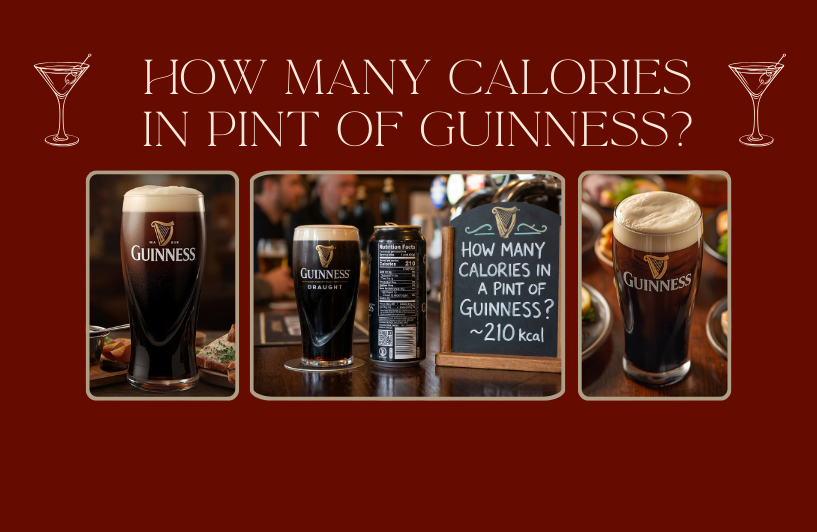

Guinness is one of the world’s most iconic beers, brewed by Guinness and enjoyed in pubs across Dublin, the UK, the US, and beyond. But if you are watching your calories, counting carbs, managing your weight, or simply trying to drink more mindfully, one important question keeps coming up: how many calories in pint of Guinness?
Understanding the answer is more than just a single number. Calories in beer come from alcohol and carbohydrates, and both can affect your daily energy intake, blood sugar levels, and long-term weight goals.
This complete guide breaks everything down in simple terms, including calories, carbs, alcohol content, and how Guinness may influence your weight and overall health. You’ll also learn how it compares to other beers and how to enjoy it responsibly without disrupting your nutrition goals. Let’s dive in.
Below is a table highlighting the facts about how many calories are in a Pint of Guinness.
| Serving Size (UK) | 568 ml (20 fl oz) |
| Serving Size (US) | 473 ml (16 fl oz) |
| Calories per UK Pint | 200–215 kcal |
| Calories per US Pint | 170–180 kcal (approx.) |
| Alcohol by Volume (ABV) | 4.2% |
| Total Carbohydrates | 15–18 grams |
| Protein | 1.5–2 grams |
| Fat | 0 grams |
| Alcohol Calories Source | 7 kcal per gram |
| Carbohydrate Calories Source | 4 kcal per gram |
| Alcohol Units (UK Pint) | Approx. 2.4 units |
| Main Calorie Contributors | Alcohol and carbs |
| Sugar Content | Minimal residual sugars |
| Fiber Content | Negligible |
| Micronutrients | Small traces of iron and antioxidants |
| Compared to Standard Lager | Slightly lower calories |
| Compared to Craft Beer | Often significantly lower calories |
| Compared to Red Wine (175ml) | Similar calorie range per serving |
| Daily Calorie Percentage | ~10% of a 2,000 kcal diet |
| Weight Gain Risk | Possible if consumed in excess |
| Impact on Fat Burning | Temporarily slows fat oxidation |
| Appetite Effect | May increase hunger |
| Guinness 0.0 Calories | ~70–80 kcal per 330ml |
| Best for Calorie Control | Moderate, mindful consumption |
| Health Recommendation | Follow national alcohol guidelines |
What Exactly Is a Pint of Guinness?
When dealing with drinks, serving size matters. In the UK and Ireland, a pint equals about 568 ml (20 fl oz), larger than the US pint. Guinness Draught, the most common type poured in pubs, has an alcohol content of roughly 4.2% ABV (alcohol by volume).
Despite its dark color and rich flavor, Guinness isn’t as heavy in calories as many assume.
How Many Calories in Pint of Guinness?
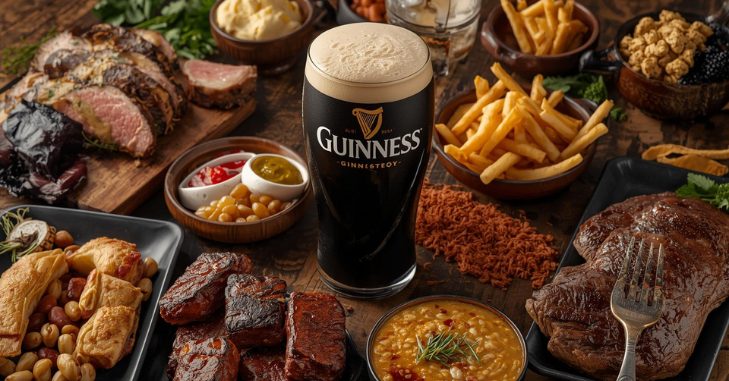
A standard pint of Guinness Draught contains around 200–215 calories.
Typical Nutritional Breakdown
| Nutrient | Amount per Pint (568 ml) |
| Calories | ~200–215 kcal |
| Carbohydrates | ~15–18 g |
| Protein | ~1.5–2 g |
| Fat | ~0 g |
| Alcohol (grams) | ~23–24 g |
The calories in Guinness come primarily from alcohol and carbohydrates, with negligible fat.
Why Do These Calories Matter?
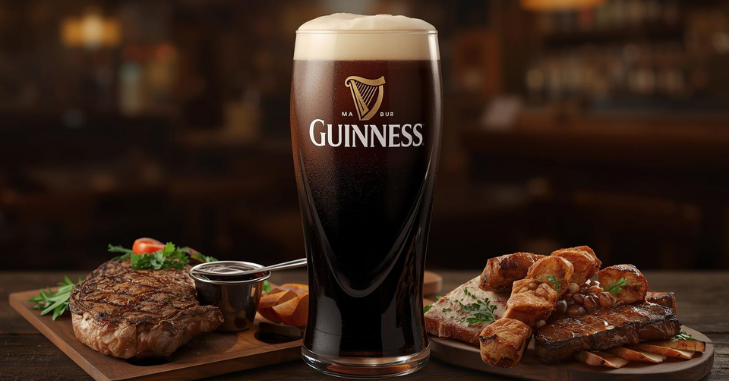
Alcohol delivers about 7 calories (about 1 minute of running) per gram, while carbs provide 4 calories (about 0 minutes of running) per gram. Since Guinness has both alcohol and residual sugars (carbs), these are the major contributors to its energy content.
Breakdown of Calorie Sources
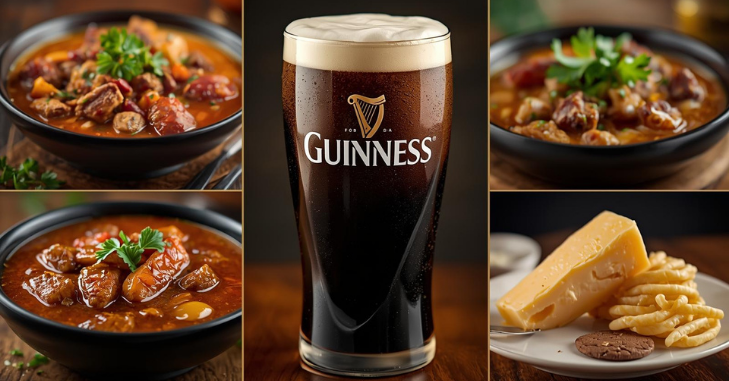
Understanding where calories come from helps explain why Guinness sits in the moderate calorie range compared to other drinks.
Alcohol
Alcohol is energy-dense, providing 7 kcal per gram. Guinness’ moderate ABV (~4.2%) means it contains fewer alcohol calories than higher-ABV beers.
Carbohydrates
Carbs in beer come from residual sugars left after fermentation. These contribute about 4 calories (about 0 minutes of running) per gram and make up a significant chunk of Guinness’s remaining energy.
Protein & Fat
It has extremely low protein and almost no fat, so these nutrients contribute only a small amount to total calories.
Guinness vs Other Beers: Calorie Comparison
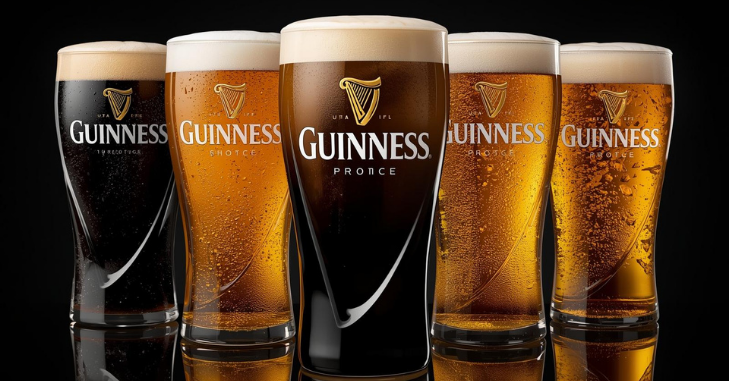
Guinness doesn’t magically burn calories, but the numbers offer helpful context:
- Guinness Pint (~210 kcal): moderate range.
- Standard Lager Pint (~220–250 kcal): often higher.
- Stronger Craft Beers (300+ kcal): can be much higher.
So, compared to many craft ales and higher-alcohol beers, Guinness actually sits on the lower side of calories per Pint.
Weight and Health Impact
Calories are energy. If you consume more calories than your body uses, the excess can be stored as fat. Beer calories are considered “empty” because they offer a little micro-nutrient value compared to an apple or yoghurt.
Does Alcohol Make You Gain Weight?
Alcohol itself doesn’t magically convert to fat, but:
- Your liver prioritizes alcohol metabolism over other nutrients.
- Alcohol may reduce fat oxidation, meaning your body burns less fat while drinking.
- Drinking can stimulate appetite, leading to higher overall intake.
In short, calories from alcohol count toward your daily total the same as calories from food. If you overconsume regularly, weight gain may follow. This is why moderate drinking aligns better with weight goals.
Health Perspective
Public health guidelines recommend:
- Up to two drinks per day for men
- Up to one drink per day for women
Exceeding these limits regularly has been associated with increased risk of chronic conditions, including liver issues and some cancers. Moderation is key.
Tips if You’re Watching Your Calories
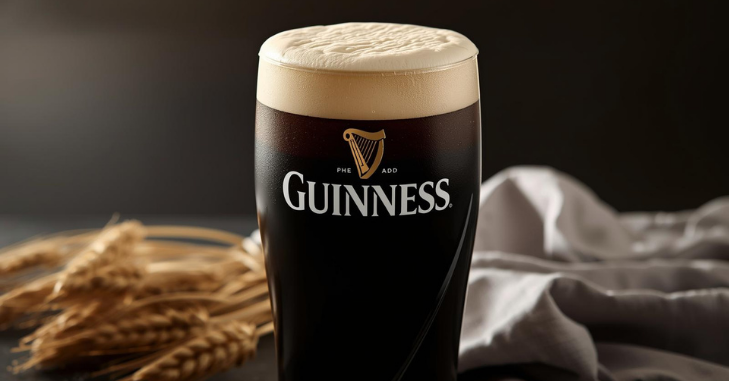
Here are practical ways to enjoy Guinness without derailing your progress:
Choose Lower-Cal Options
Guinness 0.0 (alcohol-free version) has significantly fewer calories, around 75 kcal per 330ml can.
Drink Slowly
Sipping your drink slowly reduces total consumption and slows alcohol absorption.
Pair With Protein
Eating a balanced meal before drinking can stabilize your blood sugar and reduce overeating.
Track Total Intake
Include drinks in your daily food log. Alcohol calories add up quickly, especially on nights out.
Final Thoughts
A pint of Guinness contains around 200–215 calories, moderate compared to many alcoholic beverages. While it offers a rich taste and cultural appeal, its calories come mostly from alcohol and carbs, with very little nutritional benefit beyond hydration and flavor.
Enjoying Guinness in moderation can fit into a balanced eating pattern, but, like all alcoholic drinks, it should be counted in your calorie totals and consumed responsibly.
Want to know about Is Rapeseed Oil Bad for You? A Complete Guide to Health Benefits, Side Effects, Scientific Evidence, Long-Term Safety, and Heart Health Impact Check out our Food category.
Frequently Asked Questions (FAQs)
Yes, compared to many higher-alcohol beers, Guinness is moderate in calories.
Any calorie-dense drink can contribute to weight gain if not balanced with total intake and activity.
It isn’t “healthy,” but it has a lower calorie count than many craft or high-ABV beers.
Guinness contains small amounts of natural sugars from barley during brewing. However, most sugars are fermented into alcohol. The remaining carbs contribute to the total calorie count.
A standard UK pint (568 ml) of Guinness Draught contains approximately 200–215 calories (about 17 minutes of running). The exact number may vary slightly depending on the serving size and location.