

Understanding the difference between termite and ant infestations is crucial for effective pest control. While both can cause considerable damage to homes, knowing which pest you’re dealing with helps determine the appropriate treatment methods. Seasonal changes often affect the presence of these pests, with termites being more active in warmer and wetter months, whereas ants can be found throughout the year with increased visibility in warmer months. Both termites and ants can wreak havoc; termites silently devour wood structures, compromising the integrity of your home, whereas ants, although less destructive structurally, can become unwelcome houseguests as they invade kitchens and pantries. This article aims to educate readers on the identifying characteristics of termites and ant infestations to protect homes from their potentially damaging effects.
Understanding Termite and Ant Biology
To properly identify these pests, one must understand their biology. Termites belonging to the order Isoptera live in colonies that can number in the millions. A termite colony includes workers, soldiers, and reproductives (including the king and queen). Their life cycle, from egg to adult, can take several months. Termites are known for their wood-based diet, feeding on cellulose found in timber, plants, and paper products.
Ants, on the other hand, are part of the order Hymenoptera and exhibit a social structure similar to termites. Ant colonies consist of workers, soldiers, and a queen, but unlike termites, ants have more defined roles. The life cycle of ants is shorter, from weeks to months, depending on the species. Ants are omnivores, foraging for sugary foods, proteins, and fats that humans often unwittingly provide in and around their homes.
Despite their pest status, both termites and ants contribute positively to ecosystems; termites aid in decomposing organic material improving soil nutrients, while ants help with soil aeration and function as predators to other insects.
Physical Characteristics: Termites vs. Ants
A key step in differentiating termites from ants is through physical characteristics. Termites have soft bodies with a uniform thickness, and their colours range from white to light brown. The winged termites, known as alates, have two pairs of long wings of equal length. Their antennae are straight and bead-like. In contrast, ants have distinctly segmented bodies with a narrow waist and elbowed antennae. Flying ants, similar to termites, have wings, but their forewings are longer than their hind wings.
Using visual aids, such as side-by-side images of winged termites and flying ants, can greatly assist in distinguishing these pests. The difference in physical characteristics is crucial for correctly identifying the type of infestation present and implementing the proper solution.
Signs of a Termite Infestation
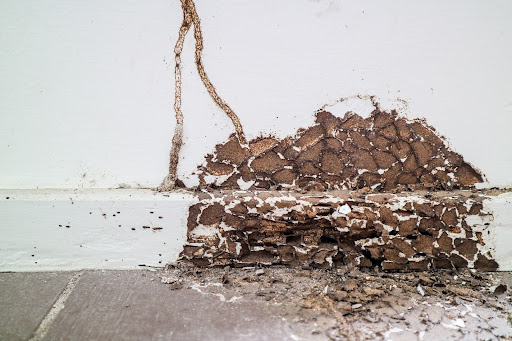
Recognising signs of termite activity early can save considerable time and money in repairs. Common indicators include the presence of mud tubes, which termites build to maintain moisture while travelling between their nest and food source. Another clear sign is hollow-sounding wood, as termites consume wood from the inside out. Discarded wings near windowsills or entry points can signal the recent presence of alates. Termite droppings, or frass, resemble small piles of sawdust and are often found near infestation sites.
It is essential to know how termite damage progresses. Initially subtle, damage can escalate quickly if left untreated. Inspecting at-risk areas, such as basements, crawl spaces, and exterior wood structures, can prevent infestations from getting out of hand. Tools such as moisture meters, infrared cameras, and sound devices may be used to detect hidden termite activity.
Recognising an Ant Infestation
Ant infestations are generally easier to spot. The most common types found in homes include the black house ant, the Argentine ant, and the carpenter ant. The black house ant is small and black, while the Argentine ant is light to dark brown. Carpenter ants are larger and can be black, red, or a combination of black and red. Not to be confused with termites, carpenter ants do not eat wood but burrow into it to create nests.
Signs of an ant infestation often include visible trails leading to food sources, nests (which can be in walls, under floors, or outside structures), and clusters of ants. Food items, especially sugary or protein-rich, are prime targets for ants. Ants are usually most active during the day, particularly in the warmer parts, a good time to check for their trails and sources.
Prevention and Early Detection Tips
There are several practical methods to prevent and detect termites and ants early. Reducing moisture around a home can deter termites, as they thrive in humid conditions. Regular inspections, especially after extended wet periods, can help spot infestations before they become severe. For ants, sealing entry points, storing food in airtight containers, and maintaining clean kitchen surfaces are effective preventive measures.
Addressing landscaping and home maintenance is equally important. Keep mulch away from foundations and ensure gutters are clean to prevent water accumulation. Sealing cracks in foundations and around windows can also help deter ants and termites. If any signs of infestation are detected, consulting with a pest control professional for further inspection and treatment is recommended. They can provide termite identification support, helping confirm the presence of these pests and suggesting management strategies.
Conclusion
Differentiating between termites and ant infestations requires an understanding of their biology, physical characteristics, and signs of activity. Early detection plays a significant role in effective management, potentially saving thousands in repair costs. By taking proactive measures, such as regular inspections and maintaining a clean environment, homeowners can protect their properties from these pesky invaders. For those seeking more information or professional pest control services, numerous resources are available to guide your next steps.
Apart from that if you want to know about “How Much Do Bricklayers Make?” then please visit our Home Improvement Category.