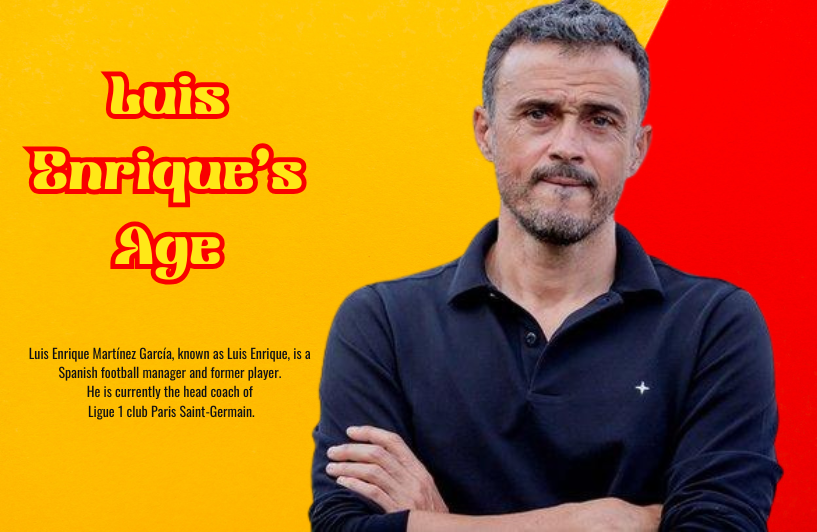

Luis Enrique Martínez García, born on May 8, 1970, in Gijón, Spain, is a legendary figure in world football whose career spans decades as both a player and manager. Currently 55 years old, discussions around Luis Enrique’s age often highlight how his years of experience have translated into tactical brilliance, leadership maturity, and consistent success on the pitch.
Standing at approximately 1.80 meters (5 ft 11 in) with an athletic build, his physical attributes have supported a long and dynamic career in top-flight football.
Off the field, Luis Enrique’s financial journey reflects his professional evolution, with an estimated net worth of around €32 million , accumulated through playing contracts, managerial salaries with FC Barcelona and the Spain national team, endorsements, and performance bonuses.
Considering Luis Enrique’s age, it becomes clear that his longevity in football has not only fostered remarkable achievements but also ensured sustained financial and personal growth.
| Aspect | Details |
| Full Name | Luis Enrique Martínez García |
| Date of Birth / Age | May 8, 1970 (55 years) |
| Place of Birth | Gijón, Spain |
| Education | Standard schooling in Spain; UEFA Pro License |
| Playing Career | Sporting Gijón, Real Madrid, FC Barcelona |
| Managerial Career | FC Barcelona (2014–2017), Spain National Team (2018–2022) |
| Physical Attributes | Height 1.80 m, athletic build, strong endurance |
| Personal Life | Married to Elena Cullell; family-oriented |
| Net Worth | Approximately €32 million |
| Notable Achievements | Champions League title, La Liga wins, Nations League Final |
Luis Enrique’s Age: Understanding His Timeline of Success
Born on May 8, 1970, in Gijón, Spain, Luis Enrique is currently 55 years old. The topic of Luis Enrique’s age is particularly interesting because his career has spanned multiple eras of football, from the physically demanding 1990s La Liga period to the tactically complex, analytics-driven modern game.
At over 50 years old, he remains:
- Energetic and physically fit
- Tactically innovative
- Emotionally composed
- Competitive at the highest levels
Unlike many former players who fade from the spotlight, his age has marked a period of strategic maturity rather than decline.
Early Life and Education
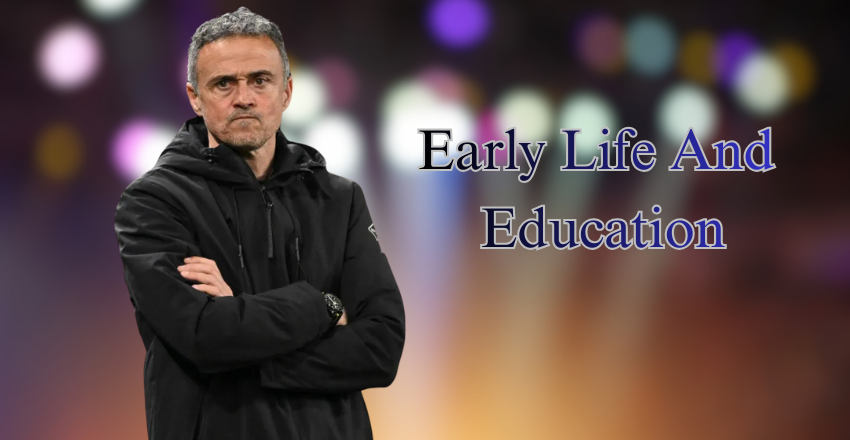
Luis Enrique Martínez García grew up in Asturias, northern Spain, where education played a foundational role in his development before he fully committed to football. Although he did not pursue long-term university studies due to his early football commitments, he completed his standard schooling in Spain and demonstrated strong intellectual discipline.
Key influences on his education include structured youth training programs, tactical education through academy systems, continuous professional development as a coach, and obtaining his UEFA Pro License certification.
His education in football strategy has proven to be as important as formal schooling, and even discussions about Luis Enrique’s age often emphasize how his experience and ongoing learning have shaped his coaching philosophy.
Playing Career: The Foundation of Greatness
Before becoming a celebrated manager, Luis Enrique enjoyed a distinguished playing career.
Clubs He Represented
- Real Sporting de Gijón
- Real Madrid CF
- FC Barcelona
His move from Real Madrid to Barcelona in 1996 was particularly significant, as transfers between the two rivals are rare and emotionally charged.
Playing Style
- Versatile midfielder/forward
- High stamina
- Tactical intelligence
- Leadership presence
- Goal-scoring capability
Even when evaluating Luis Enrique’s age today, analysts note how his intense playing style laid the groundwork for his demanding coaching methods.
Barcelona Era: Contracts and Historic Success
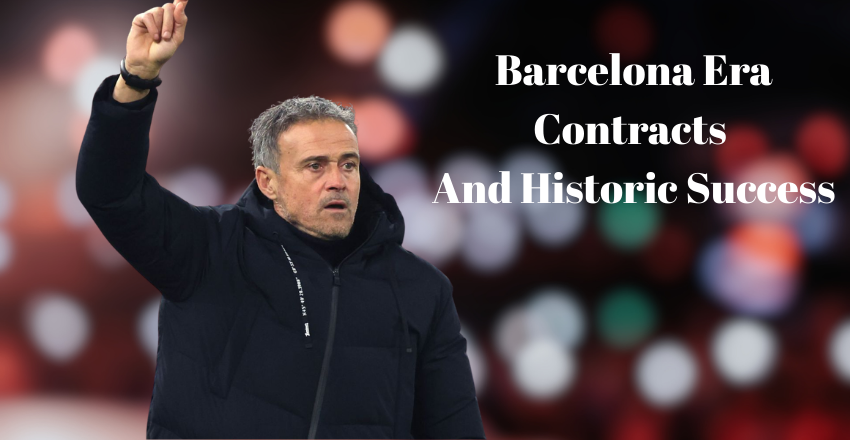
Luis Enrique’s managerial breakthrough came with Barcelona.
Barcelona Contract (2014–2017)
In 2014, he signed as head coach of FC Barcelona. His contract marked a turning point both financially and professionally.
Major Achievements at Barcelona
- UEFA Champions League title (2015)
- La Liga championships
- Copa del Rey victories
- Historic treble (2014–15 season)
Under his leadership, Barcelona featured stars such as:
- Lionel Messi
- Neymar
- Luis Suárez
His Barcelona contract significantly increased his global recognition and earnings. Discussions around Luis Enrique’s age often emphasize that he achieved a historic treble in his mid-40s—an age when many coaches are still developing.
Spain National Team Contract
In 2018, Luis Enrique was appointed head coach of Spain during a rebuilding phase following the 2018 World Cup. His contract highlights included a focus on promoting young talent and implementing a tactical shift toward high pressing and vertical play, culminating in a UEFA Nations League final appearance.
Despite facing personal tragedy during his tenure, he demonstrated remarkable emotional maturity and resilience, guiding Spain through major tournaments and reinforcing the notion that Luis Enrique’s age contributes to his depth as a football leader.
Physical Attributes and Fitness
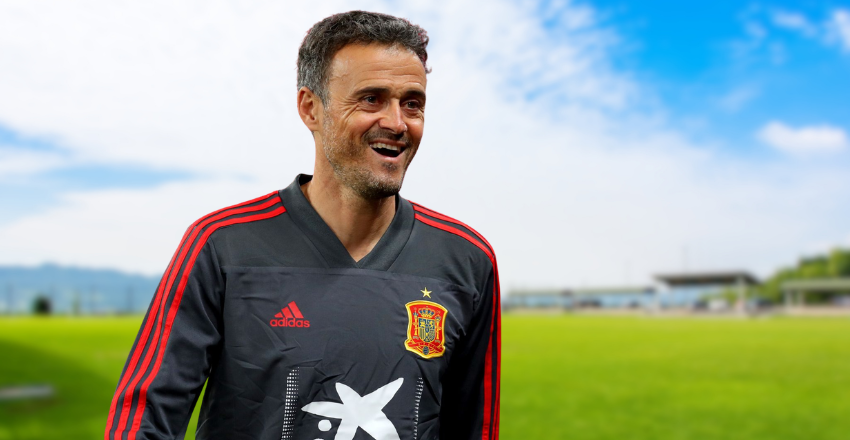
One remarkable aspect of Luis Enrique is his physical conditioning.
Key Physical Traits
- Height: Approximately 1.80 meters (5 ft 11 in)
- Athletic build
- Strong endurance
- Active lifestyle
He is known for participating in endurance sports, including marathons and cycling. Even as discussions about Luis Enrique’s age continue, he maintains a fitness level comparable to that of much younger professionals.
Tactical Evolution Over Time
Age has enhanced rather than diminished his strategic thinking.
Coaching Philosophy
- High pressing intensity
- Fast ball circulation
- Positional flexibility
- Emphasis on youth development
- Mental toughness
His tactical evolution demonstrates that Luis Enrique’s age correlates with accumulated knowledge and adaptability.
Personal Life and Family
Behind the intense public persona of Luis Enrique lies a devoted family man. He is married to Elena Cullell, and the couple has been together for decades, creating a close-knit family. Personal values such as strong family orientation, a private lifestyle, emotional resilience, and loyalty define their relationship.
In 2019, Luis Enrique faced the tragic loss of his young daughter, a profoundly personal moment that temporarily paused his coaching career. His subsequent return to football demonstrated immense strength, highlighting his commitment to both his family and his professional responsibilities.
Financial Growth and Net Worth
Luis Enrique’s financial journey reflects his steady career progression from elite player to top-level manager.
Income Sources
- Playing contracts
- Barcelona managerial salary
- Spain national team salary
- Endorsements
- Performance bonuses
His estimated net worth is reported to be around €32 million , accumulated consistently over decades of success at both club and international levels.
When analyzing Luis Enrique’s age, it becomes clear that his financial growth mirrors his professional evolution. As experience, achievements, and leadership roles have increased over time, sustained excellence has translated into long-term wealth and financial stability.
Career Evolution
| Phase | Role | Key Achievements | Financial Impact |
| Early 1990s | Player (Sporting Gijón, Real Madrid) | La Liga exposure | Initial contracts |
| 1996–2004 | Player (Barcelona) | Domestic titles | Major salary growth |
| 2014–2017 | Manager (Barcelona) | Treble winner | Elite coaching earnings |
| 2018–2022 | Spain Head Coach | Nations League Final | National team salary |
| 2023+ | Club management roles | Continued elite status | Sustained financial growth |
Leadership Style and Personality
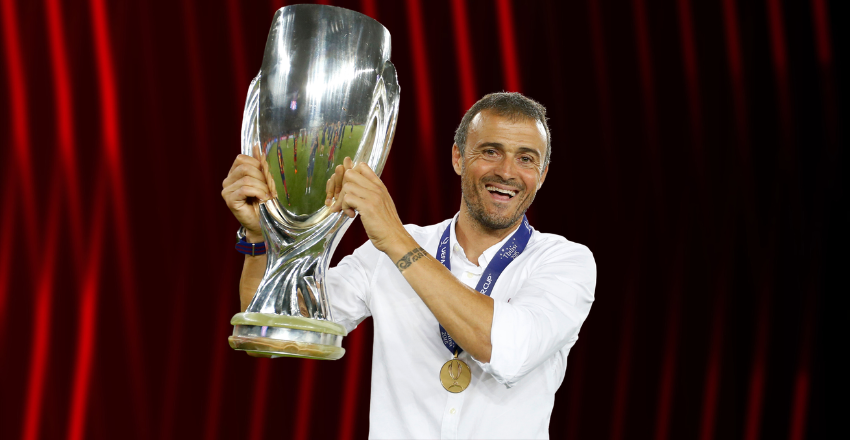
Luis Enrique is known for:
- Direct communication
- Tactical confidence
- Demanding discipline
- Emotional honesty
At his current stage in life, Luis Enrique’s age symbolizes authority and composure rather than decline.
Legacy in Spanish Football
Luis Enrique’s impact spans both his playing and managerial careers. He successfully transitioned from a celebrated player to a top-level coach, notably leading Barcelona to a Champions League title and playing a key role in rebuilding the Spain national team.
Beyond trophies, he has been an advocate for youth development, nurturing the next generation of talent. When considering Luis Enrique’s age, the focus shifts from mere numbers to the lasting influence and legacy he has established over decades in football.
Mental Strength and Resilience
One of his defining traits is emotional endurance.
He has demonstrated:
- Public transparency
- Accountability
- Strategic risk-taking
- Ability to rebuild teams
Age has strengthened his leadership clarity.
Conclusion
The story of Luis Enrique’s age and career evolution is one of growth, resilience, and excellence. From his early days in Gijón to managing Barcelona’s historic treble and rebuilding Spain’s national team, his journey reflects both athletic and intellectual development.
Now in his 50s, Luis Enrique’s age symbolizes experience, tactical maturity, emotional resilience, financial success, and enduring competitiveness.
His education, contracts with Barcelona and Spain, physical attributes, personal strength, and financial growth all contribute to the narrative of a football icon who continues to evolve.
In modern football, age is not a limitation; rather, it is an asset. In the case of Luis Enrique, it stands as a testament to lasting excellence.
Apart from that, if you want to know more about Freddie Fox Movies and TV Shows: A Complete Guide to His Iconic Roles, Career Milestones, Net worth, Awards, and Worldwide Recognition then visit our Entertainment category.
FAQs
He played for Sporting Gijón, Real Madrid, and FC Barcelona, showcasing versatility as a midfielder and forward.
Luis Enrique managed FC Barcelona from 2014–2017, achieving a historic treble, and led the Spain national team from 2018–2022, focusing on youth development and tactical innovation.
Highlights include Champions League and La Liga titles with Barcelona, a UEFA Nations League final with Spain, and a reputation for youth development and tactical innovation.
He is celebrated for successfully transitioning from elite player to elite manager, emphasizing high pressing, positional flexibility, and youth development, leaving a lasting legacy in Spanish football.