
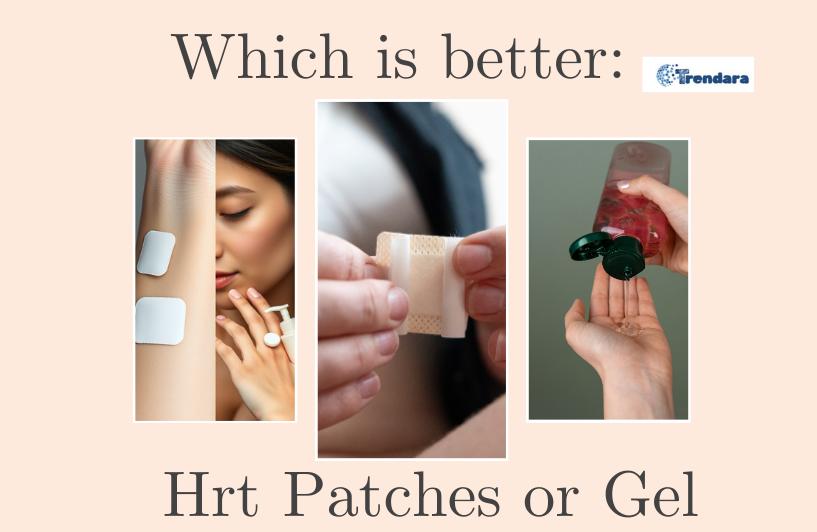

Hormone Replacement Therapy (HRT) is crucial in helping women manage menopause symptoms such as hot flashes, night sweats, mood swings, and sleep disturbances. Still, one of the most frequent questions is Which is better: HRT patches or gel?
As estrogen levels decline with age, many women seek safe, effective ways to restore hormonal balance and enhance quality of life. Among the leading options are HRT patches and gel. Both deliver estrogen through the skin, providing strong relief for menopause symptoms.
HRT Patches vs Gel: Detailed Comparison Table
| Applied as a patch directly on the skin | Applied as a gel and spread on the skin |
| Usually changed once or twice a week | Requires daily application |
| Provides continuous hormone release | Absorbed daily with slight variation |
| Easy to use with minimal effort | Needs a consistent daily routine |
| Lower risk of missing doses | Higher chance of forgetting the application |
| Fixed dosage levels | Flexible and adjustable dosage |
| May cause skin irritation or redness | Generally gentle on the skin |
| Uses adhesive to stick to skin | No adhesive involved |
| Can sometimes peel off in the heat or sweat | Stays effective once absorbed |
| Leaves a visible patch on the skin | No visible marks after drying |
| Suitable for busy lifestyles | Suitable for those who prefer control |
| Less time-consuming overall | Requires time to apply and dry |
| Delivers stable hormone levels | Hormone levels may slightly vary |
| May not suit sensitive skin | Ideal for sensitive skin types |
| Limited placement areas on the body | Can be applied to different areas |
| May cause itching at the application site | Rarely causes itching |
| No risk of transferring to others | Must avoid contact until absorbed |
| Convenient during travel | Requires carrying and applying daily |
| Can be worn during showering | Must be applied after bathing |
| Less user involvement after the application | Requires active daily participation |
| Good for consistent routine users | Good for personalized treatment |
| Harder to adjust the dose quickly | Easy to adjust dose as needed |
| Adhesive may leave residue | No residue after use |
| Suitable for long-term steady use | Suitable for flexible hormone management |
| Preferred for simplicity and ease | Preferred for control and comfort |
How Does HRT Operate? What Is It?
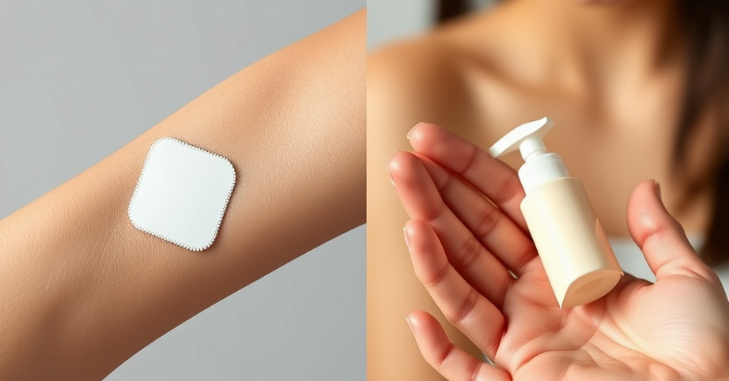
HRT is a treatment that replaces hormones that the body no longer produces in sufficient amounts during menopause. Estrogen is the main hormone involved, and restoring its levels helps reduce common symptoms while also supporting bone health and overall well-being.
Both HRT patches and gel are transdermal, meaning the hormone is absorbed through the skin into the bloodstream, bypassing the digestive system and liver. This can make them suitable options for many women.
Which is better: HRT patches or gel? Quick Comparison
| Feature | HRT Patches | HRT Gel |
| Application | Applied to the skin as a patch | Applied to the skin as a gel. |
| Frequency | 1–2 times per week | Daily |
| Hormone Release | Continuous | Daily absorption |
| Convenience | High | Moderate |
| Dose Flexibility | Limited | Flexible |
| Skin Reaction | Possible irritation | Usually mild |
Which Is Better In Effectiveness: HRT Patches or Gels
Menopause symptoms can be effectively managed with both HRT patches and gel. When used correctly, they provide similar results for hormone balance and symptom relief.
They can reduce hot flashes, improve sleep, stabilize mood, and support bone strength. For the best outcomes, consistent usage is essential.
How Do They Work in the Body?
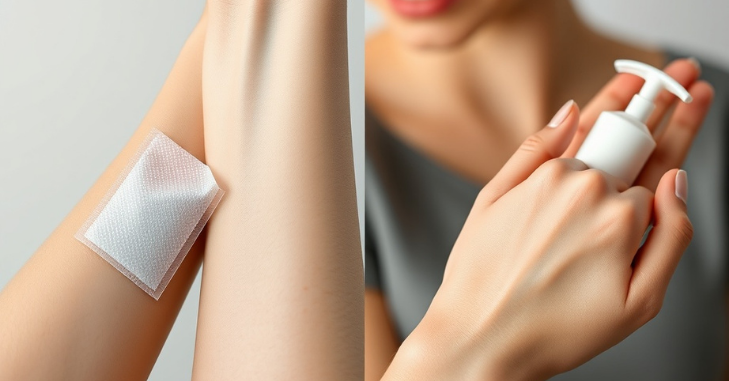
Both options deliver estrogen through the skin, but they differ slightly in how they work.
HRT patches release hormones steadily, maintaining consistent levels. This benefits those who prefer stable, predictable results.
HRT gel is applied daily and absorbed through the skin. This allows greater control over overdosing, but absorption may vary slightly depending on skin condition and application method.
Benefits of HRT Patches
HRT patches are popular because they are simple and convenient. They only need to be applied once or twice a week, reducing the risk of missing a dose. The steady release of hormones helps maintain balance throughout the day and night.
Another advantage is that patches are generally easy to use and remain effective during daily activities such as bathing. For many women, this method fits well into a busy lifestyle.
Drawbacks of HRT Patches
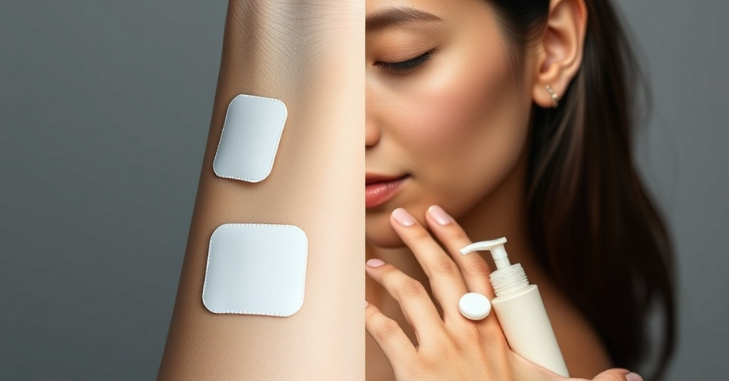
Despite their convenience, patches may not suit everyone. Some women get irritation, redness, or itching at the site. Hot weather or sweat can make patches less adhesive.
Another limitation is the lack of flexibility in dosage. Adjusting hormone levels may require changing the patch type rather than simply modifying the amount used.
Benefits of HRT Gel

HRT gel offers a more adaptable approach to hormone therapy. Dosage adjustments are more straightforward, making it suitable for those needing tailored treatment.
It is also a good option for people with sensitive skin because it does not involve adhesives. The gel is absorbed directly into the skin, leaving no marks or residue. Many women prefer gel because it offers greater control over treatment and allows them to adjust it based on their body’s response.
Drawbacks of HRT Gel
The primary drawback of HRT gel is the daily application. This can be inconvenient for those seeking a low-maintenance regimen. Gel also requires drying before dressing, adding time to the routine.
Until the gel is completely absorbed, stay away from other people’s skin. Absorption rates may also differ from person to person.
Side Effects and Safety
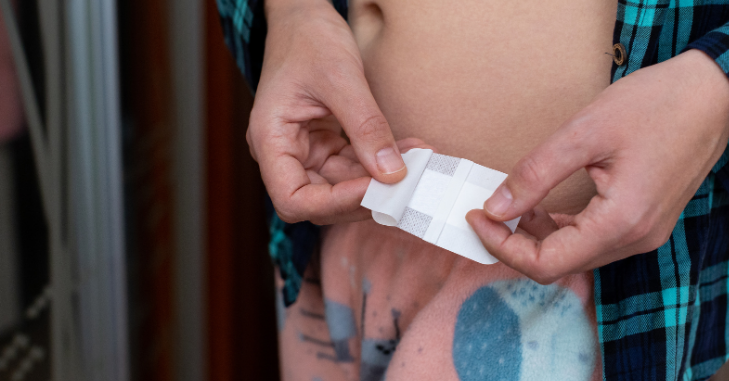
Both HRT patches and gel have similar side effects, such as breast tenderness, mild headaches, nausea, and mood changes.
Skin issues are more common with patches; gel users must apply carefully. Both are considered safe when used as prescribed and under a doctor’s supervision.
Lifestyle Considerations
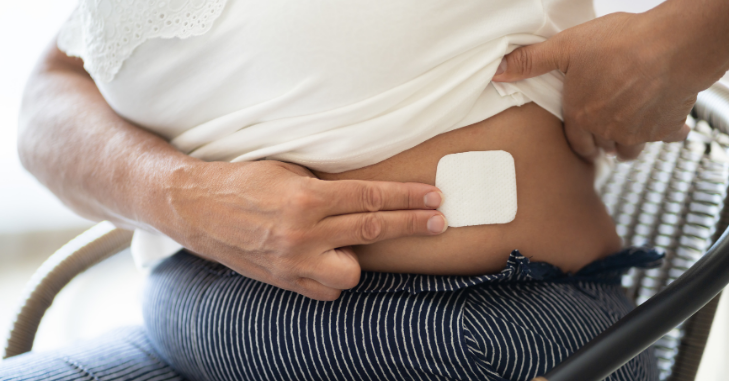
Often, the choice between patches and gel comes down to your lifestyle and daily habits. What fits your rhythm?
If you prefer flexibility and do not mind a daily routine, gel may be a better choice. It offers greater control and can be adjusted to your needs. Climate, skin sensitivity, and comfort also help you decide which method is best.
How to Choose the Right Option?

Evaluate your routine and preferences. Consider if you can handle daily use or prefer a weekly option. Consider skin reactions or potential adhesive irritation.
Discuss your options with a healthcare professional. They will guide you based on your history and help you choose the right treatment. Trying one method and switching if needed is also a common and practical approach.
Conclusion
When comparing HRT patches and gel, many people ask which is better: HRT patches or gel, and the answer is that both provide reliable, effective approaches to managing menopause symptoms and improving well-being. Each has distinct benefits, whether it is the convenience and stable hormone delivery of patches or the flexibility and skin-friendliness of gels.
There is no single best option. Choose based on lifestyle, comfort, and health. Knowing how each method works enables a decision supporting long-term health.
Ultimately, HRT is here to help you feel like yourself, balanced, comfortable, and confident every single day. Pick the method that seamlessly fits into your life, and you’ll be set up for the best possible results.
Want to know about Korean Skincare Routine: The Complete Step-by-Step Guide to Achieving Radiant, Healthy, Glass-Like Skin Naturally Check out our Health category.
Frequently Asked Questions (FAQs)
Both options are equally effective when used correctly.
Patches are generally more convenient because they require less frequent application.
Yes, gel is often preferred by those with sensitive skin because it does not use adhesive.
Yes, switching is possible with proper medical guidance.
Both are considered safe when prescribed and monitored by a doctor.