

https://pixabay.com/vectors/logistics-freight-container-148013
International shipping plays an important role in today’s global economy, facilitating trade and connecting businesses across borders. Whether you’re an e-commerce entrepreneur or a small business looking to expand, understanding the nuances of international shipping is essential for success. Here’s a breakdown of what you need to know.
What is International Shipping?
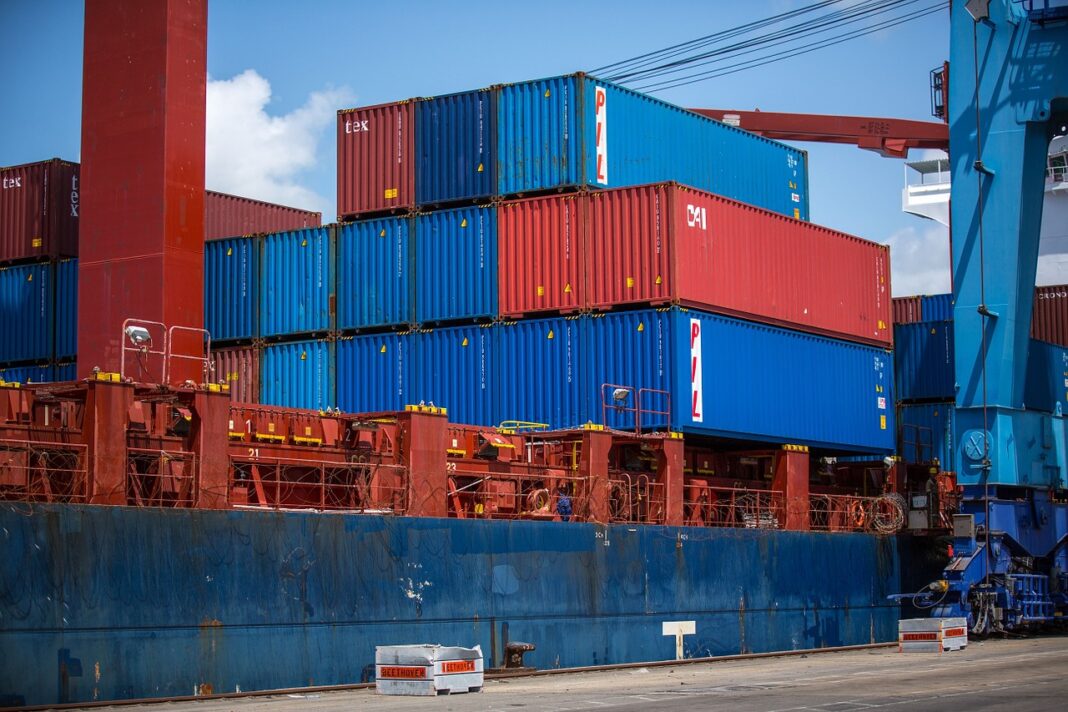
International shipping refers to the transportation of goods across international borders. This process can involve various modes of transport, including air, sea, rail, and road. Each method has its advantages and disadvantages in terms of cost, speed, and reliability. Businesses must choose the right shipping method based on their specific needs and budget.
Key Considerations
- Shipping Regulations and Customs: Each country has its own regulations regarding imports and exports. Understanding these regulations is critical to avoid delays and penalties. For instance, when shipping from South Africa to the UK, businesses should familiarize themselves with customs documentation, including invoices, shipping labels, and any specific certificates required for certain products. It’s advisable to work with a customs broker who can help navigate the complexities of international shipping.
- Shipping Costs: Shipping costs can vary significantly depending on the destination, weight, dimensions, and shipping method. Factors such as fuel prices and currency fluctuations can also impact shipping expenses. Businesses should obtain quotes from multiple carriers and consider using shipping calculators available online to estimate costs accurately. Additionally, be transparent with customers about potential shipping fees to maintain trust and satisfaction.
- Insurance: Protecting shipments with insurance is essential, especially for high-value items. Shipping insurance covers loss or damage during transit, providing peace of mind to businesses and customers alike. When choosing insurance, consider the value of the items being shipped and the risks associated with international transport.
- Delivery Timeframes: Delivery times can vary based on shipping methods and customs clearance processes. Air freight is generally faster but more expensive, while sea freight is slower but more cost-effective for large shipments. Providing customers with estimated delivery times helps manage their expectations and enhances their overall experience.
- Tracking and Communication: Offering tracking options allows customers to monitor their shipments in real time. This transparency builds trust and can reduce inquiries about order status. Additionally, maintaining clear communication throughout the shipping process, including sending notifications about shipping status and potential delays, is crucial for customer satisfaction.
Choosing the Right Carrier
Selecting the right shipping carrier is vital for successful international shipping. Factors to consider include the carrier’s reputation, reliability, delivery speed, and customer service. Popular carriers for international shipping include DHL, FedEx, UPS, and local postal services, each offering different services and pricing structures.
Conclusion
International shipping opens up vast opportunities for businesses to reach global markets. By understanding the key aspects of international shipping, such as regulations, costs, insurance, and tracking, businesses can streamline their operations and enhance customer satisfaction. As the world becomes more interconnected, mastering international shipping will be an essential component of any successful business strategy.