


Introduction
In the business world, a career trajectory refers to an individual’s path as they advance through various roles and positions within an organization or industry. It involves strategic planning, skill development, and experience to ensure continuous growth and success. Understanding your career trajectory in business is essential for making informed decisions, whether aiming for leadership positions, specialization, or entrepreneurship. You can navigate the competitive business landscape by analyzing your current standing and future goals, seize new opportunities, and achieve long-term success. A well-planned career trajectory helps professionals stay adaptable and ready to meet the evolving demands of the business world.
Understanding Career Trajectory and How It Shapes Professional Growth
A career trajectory refers to the unique professional path an individual follows as they progress through different roles, industries, and levels of responsibility throughout their working life. Rather than being a single moment or job, it encompasses the sequence of experiences, positions, and milestones that reflect both personal ambition and evolving goals. A well-considered career trajectory provides individuals with a clearer sense of direction, helping them identify which opportunities support their long-term objectives and which experiences build the skills necessary to advance. Whether someone moves upward into leadership roles, makes lateral shifts to gain diverse expertise, or explores entirely new career avenues, the shape of their trajectory is influenced by their choices, continual learning, and adaptability to change — all of which contribute to sustained professional growth and satisfaction.
Early Career Stage
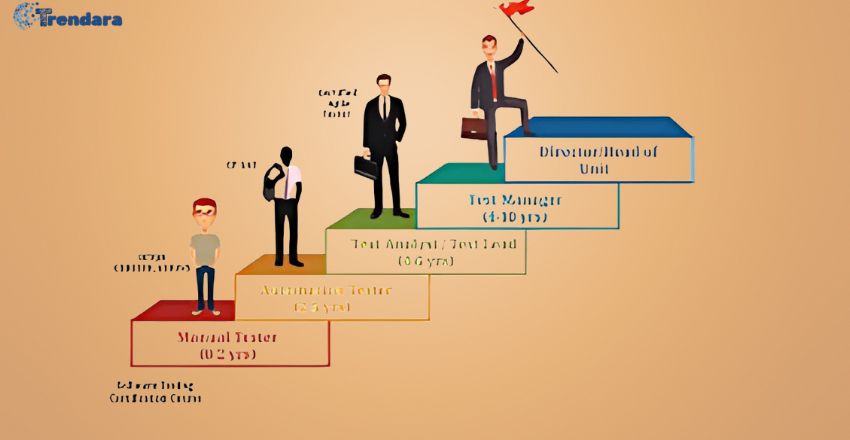
In the early stages of a business career, individuals often start in entry-level positions that help them build foundational skills. These roles may include sales, marketing, customer service, or finance jobs. Learning and development are crucial at this stage, as the focus is on gaining knowledge and experience. Networking and seeking mentorship are also key in laying the groundwork for future growth. This stage sets the foundation for a strong career trajectory.

Building Skills and Expertise
As professionals progress in their career trajectory, building specialized skills becomes important. This is the time to focus on areas of expertise such as leadership, communication, or technical skills relevant to your industry. Continuous learning, whether through formal education, certifications, or on-the-job training, is vital to remain competitive. The ability to adapt to new technologies and industry trends ensures that you stay relevant and continue to move up the career ladder.
Seeking Opportunities for Growth
Career trajectory in business involves identifying and seizing growth opportunities. This may come in promotions, lateral moves, or even changing industries. At this stage, professionals should focus on expanding their responsibilities and demonstrating their ability to handle more complex tasks. Taking on leadership roles or managing projects can enhance your organizational visibility. Actively seeking new challenges helps ensure steady progression along your career path.
Importance of Networking
Networking plays a crucial role in shaping a business career trajectory. Building relationships with colleagues, mentors, and industry leaders can open doors to new opportunities. Networking helps you gain valuable insights, learn about unadvertised job openings, and receive guidance on career decisions, whether attending industry events or maintaining professional connections through platforms like LinkedIn. Strong networking skills can accelerate career growth and expand your influence in the business world.
Transitioning to Leadership
A significant point in any business career trajectory is transitioning from a contributor to a leadership position. Leadership roles require expertise in your field and the ability to guide and motivate others. Developing soft skills such as emotional intelligence, decision-making, and conflict resolution is key to becoming an effective leader. Professionals with strong leadership potential often advance quickly and take on executive roles.
Setting Long-Term Goals
A successful career trajectory in business requires setting long-term goals. These goals should align with your personal and professional aspirations. Whether aiming for a C-suite position, starting your own business, or becoming a recognized industry expert, having a clear vision for the future helps guide your decisions. Regularly reviewing and adjusting your goals based on new opportunities or changes in the market ensures that you stay on track and continue growing.
Overcoming Career Challenges
No career trajectory is without challenges. In business, professionals may face setbacks such as job losses, industry shifts, or missed promotions. The key to maintaining a successful trajectory is resilience and adaptability. Learning from failures, seeking feedback, and continuously improving your skills will help you overcome obstacles. Staying focused on your long-term goals and maintaining a positive mindset during challenging times will ultimately lead to success.
Embracing Innovation and Change
The business world constantly evolves, and embracing innovation is essential to a successful career trajectory. Professionals must be open to learning new technologies, methodologies, and trends. Staying informed about industry changes ensures you can pivot when needed and remain competitive. Those who adapt quickly to change and embrace innovation often lead their organizations forward and experience significant career growth.
Entrepreneurship as a Career Path
For some professionals, their career trajectory in business may lead to entrepreneurship. Starting your own business requires different skills, including risk management, strategic planning, and financial acumen. Entrepreneurs often build on their industry experience and expertise to launch successful ventures. While the path of entrepreneurship comes with challenges, it can also provide immense rewards and personal fulfilment for those willing to leap.
Work-Life Balance and Career Growth
Maintaining a healthy work-life balance is crucial to sustaining long-term career growth in business. Burnout can slow your career trajectory and affect your personal and professional well-being. It’s important to set boundaries, take time for self-care, and ensure that your work doesn’t consume all your time. By managing your time effectively and prioritizing your well-being, you can maintain a steady pace of growth without sacrificing your health or relationships.
Measuring Career Success
Measuring success along your career trajectory in business goes beyond financial rewards. While salary and job title are important indicators, true success includes job satisfaction, work-life balance, and personal growth. Regularly evaluating where you stand concerning your goals helps you make necessary adjustments and ensure you’re on the right path. A balanced approach to measuring success ensures you find fulfillment and happiness in your career.

Conclusion
A well-planned career trajectory in business requires a combination of strategic decision-making, skill development, networking, and adaptability. From the early stages of building a foundation to transitioning into leadership roles, each step of the journey is crucial to long-term success. By setting clear goals, embracing change, and maintaining a balance between work and personal life, professionals can navigate their career trajectories in a way that leads to both financial success and personal fulfillment.
Apart from that if you want to know about “Understanding International Shipping: A Comprehensive Guide” then please visit our “Business” Category.
FAQs
Networking helps build relationships, opens doors to opportunities, and provides career guidance.
Education enhances skills and knowledge, helping individuals advance their chosen career path.
Many professionals pursue entrepreneurship as a step in their career trajectory.
A career path is often structured and linear, while a career trajectory can include upward, lateral, or non-linear movements based on choices and opportunities.
It helps individuals plan long-term goals, make informed career decisions, and understand how current roles contribute to future opportunities.