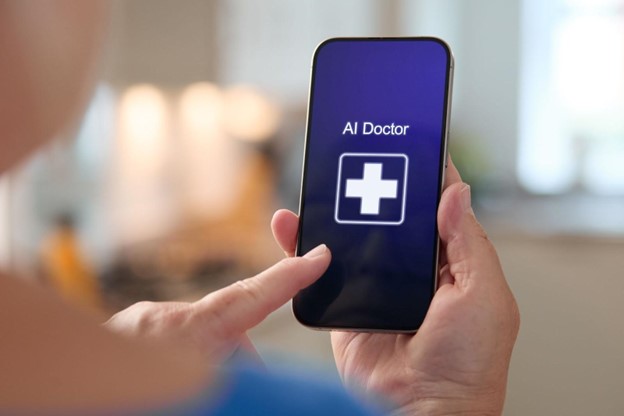

In today’s fast-paced healthcare world, every second counts. Doctors and nurses are under pressure to see more patients, keep detailed records, and still provide top-quality care. That is where AI SOAP notes come in. These smart tools help healthcare professionals save time, reduce errors, and focus more on their patients, not just their paperwork.
By using artificial intelligence to handle documentation, clinics and hospitals can work more efficiently and improve patient outcomes. In this blog, we will explore the top benefits of using AI SOAP notes and why they are quickly becoming a must-have in modern healthcare settings.
The Revolutionary Impact of AI SOAP Notes on Clinical Documentation
AI SOAP notes represent a fundamental shift in how medical documentation works. Rather than clinicians typing or dictating notes after each patient encounter, AI listens, learns, and creates.
Traditional vs AI-Powered SOAP Notes
Traditional SOAP (Subjective, Objective, Assessment, Plan) notes require manual entry of patient subjective complaints, objective findings, the provider’s assessment, and treatment plans. AI SOAP notes automatically capture and structure this information during the patient-provider conversation, dramatically reducing manual documentation time while improving accuracy, saving effort, and allowing providers to spend more meaningful time with patients.
How AI Note Taking Transforms Documentation
AI note taking, often powered by a free AI medical scribe, uses natural language processing to convert doctor-patient conversations into structured clinical notes. The technology doesn’t just transcribe; it understands medical terminology, identifies relevant clinical information, and organizes it appropriately within the SOAP format.
Real-Time vs Post-Encounter Documentation
Traditional documentation typically happens after the patient leaves, often requiring “pajama time” in the evenings. AI SOAP notes are generated in real-time, allowing clinicians to review and sign off on documentation immediately after the encounter, reducing after-hours work.
Time-Saving Benefits: Reclaiming Hours in Your Clinical Day
The most immediate benefit of AI SOAP notes is the dramatic reduction in documentation time, giving clinicians more time for patient care and personal well-being.
Quantifiable Time Savings
Studies show clinicians using AI documentation tools save between 6-10 minutes per patient encounter. For a physician seeing 20 patients daily, that’s 2-3 hours reclaimed each day.
Reduction in After-Hours Documentation
AI notes significantly reduce the need for “pajama time,” the hours spent documenting after clinic hours. Many clinicians report a 30-40% reduction in after-hours documentation when using AI SOAP notes.
Improved Patient-Provider Interaction
With less focus on typing or dictating during appointments, providers can maintain eye contact and better engage with patients. This leads to improved rapport and patient satisfaction scores.
Enhanced Documentation Quality and Consistency
AI doesn’t just make documentation faster, it makes it better and more consistent across providers and encounters.
Standardization Across Providers
AI SOAP notes create consistency in documentation format and terminology, regardless of which provider sees the patient. This standardization is particularly valuable in group practices and hospital settings with multiple care team members.
Reduction in Documentation Errors
Human documentation is prone to errors, omissions, and inconsistencies, especially when rushed. AI SOAP notes capture comprehensive information without fatigue-related mistakes, reducing critical documentation gaps.
Comprehensive Capture of Clinical Information
The human memory is fallible. clinicians often forget to document important details discussed during appointments. AI tools capture the entire conversation, ensuring nothing falls through the cracks.
Financial ROI: The Economic Case for AI SOAP Note Implementation
The business case for AI SOAP notes extends beyond time savings to tangible financial benefits for healthcare organizations.
Cost-Benefit Analysis
While implementing AI SOAP notes requires investment, the returns often exceed costs within months. A typical primary care practice can expect ROI within 3-6 months through improved productivity and billing accuracy.
Revenue Optimization Through More Accurate Coding
AI notes can suggest appropriate billing codes based on documented services, reducing undercoding that leaves money on the table. Many practices report a 5-10% increase in appropriate coding and billing after implementing AI documentation.
Reduced Claim Denials
Better documentation leads to fewer claim denials and resubmissions. AI SOAP notes ensure all necessary elements for reimbursement are included, reducing rejected claims by as much as 25% in some practices.
Integrating AI SOAP Notes with EHR Systems
For AI documentation to deliver maximum benefit, it must integrate seamlessly with existing systems, especially eClinicalWorks and other EHR platforms.
Compatibility with Major EHR Platforms
Modern AI SOAP note solutions offer integration with most major EHR systems, including eclinical works, Epic, Cerner, and Athenahealth. This allows for direct insertion of AI-generated notes into the patient record without copy-pasting.
Seamless Workflow Integration
The best AI documentation tools fit naturally into clinical workflows rather than requiring workflow adjustments. Implementation should enhance existing processes, not disrupt them.
Customization for Specialty Requirements
Different medical specialties have unique documentation needs. Leading AI SOAP note platforms offer specialty-specific templates and terminology recognition for primary care, behavioral health, orthopedics, and more.
Clinician Well-being: Combating Burnout Through Documentation Efficiency
The benefits of AI notes extend beyond operational efficiency to clinician mental health and job satisfaction.
Impact on Provider Burnout Rates
Documentation burden ranks among the top causes of clinician burnout. By reducing this burden, AI SOAP notes directly address a major contributor to professional dissatisfaction and exhaustion.
Improved Work-Life Balance
When documentation doesn’t follow clinicians home, they can maintain healthier boundaries between professional and personal life. This improved work-life balance contributes to longevity in the profession.
Reduced Cognitive Load
Trying to remember details from patient encounters while documenting creates significant mental strain. AI notes eliminate this burden, allowing clinicians to focus fully on each patient without worrying about memory recall later.
Final Thoughts on AI in Clinical Documentation
The benefits of AI in healthcare documentation extend far beyond convenience. AI SOAP notes address the fundamental challenges of modern healthcare, reducing clinician burnout, improving documentation quality, and enhancing patient care.
As the technology continues to evolve, we’ll likely see even more sophisticated applications that further transform clinical workflows. For healthcare organizations looking to improve efficiency while supporting clinician well-being, AI documentation tools represent a rare win-win technology.
Apart from that if you want to know about AI Testing Breakthroughs then please visit our Tech Category.
FAQs
Current AI SOAP note technologies achieve 95-98% accuracy for clinical terminology. Most clinicians spend just 1-2 minutes reviewing and editing notes, compared to 7-10 minutes creating notes manually.
Research shows 85-90% of patients don’t mind AI documentation tools when providers explain the benefits. Many prefer it because it allows clinicians to focus on them rather than on typing.
Most healthcare organizations complete AI SOAP note implementation within 2-4 weeks. The learning curve is typically short, with clinicians becoming comfortable with the workflow in just 5-7 patient encounters.