
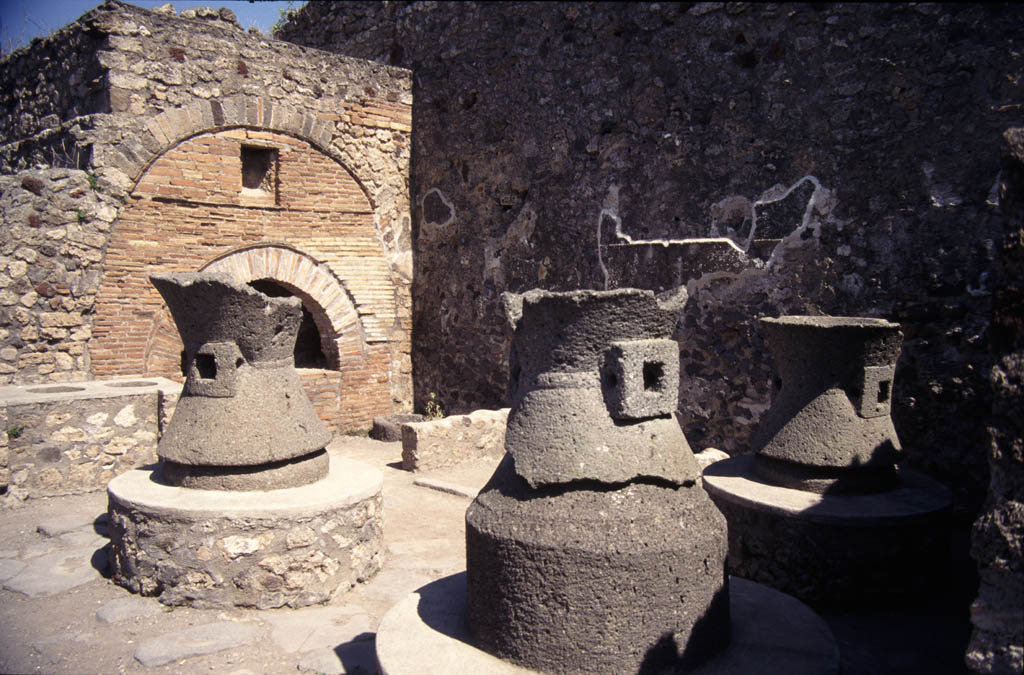

Pompeii is a place so wonderful that a Roman god tried to remove it from the earth – Vulcan, in this case. The city was buried in up to 7m of ash by Mount Vesuvius in AD79, an event that would entomb Pompeii for half a century before any effort to explore it began.
The recovery of Pompeii and nearby Herculaneum began like many modern-day excavations, when new construction went awry, including the building of an aqueduct in the 16th century.
For travellers, Pompeii holds an immediate appeal – part graveyard, part architectural marvel, and part regular city, with its sewers and roads. With increasing time beneath the sun, can there really be much left to discover?
The Digital Realm
The simple answer is yes – there’s still no end to Pompeii’s promise. The city is/was huge, at around 67 hectares. It looms large both in a physical sense and in its footprint in the public’s consciousness.
Source: Pexels.
For instance, the 2003 novel Pompeii by Robert Harris retold the story of Vesuvius’ eruption by blending fiction with fact. The movie of the same name by Paul W. S. Anderson (of Resident Evil and Event Horizon fame) launched in 2014 with a similar blend of historicity and the director’s imagination.
More recently, Pompeii has expanded into the digital realm. An interactive online tour by The Open University attracted more than a million ‘tourists’ in 2024.
The Pompeii Megareels Megaways casino game also represents one of the city’s first forays into gaming. The slot, from the Hippodrome website, is part of a range of games that celebrate ancient stories, alongside Power of Thor, Revenge of Loki, and Eye of Horus.
Aulus Rustius Verus
The BBC TV series Pompeii: The New Dig is perhaps the best evidence that half a millennium hasn’t taken a chip from the city’s stone – if only because it was broadcast in 2025. However, it took developments on the ground to make modern productions possible.
Earlier in the year, Yahoo! reported the discovery of a new city block, including a laundry, a bakery, a house, and a “sprawling bath complex”. It may have been owned by a single person, Aulus Rustius Verus, a local politician.
While the plaster moulds of the people that met their end beneath Vesuvius’ clouds attract much attention, a pair of skeletons found in the baths is no small find.
Speaking to The Independent, classics professor Michael Scott notes that a third of Pompeii is still buried, and archaeologists have been concentrating efforts on an area dubbed region 9. A black room featuring paintings of Zeus, Apollo, and Trojan hero Paris probably served as a dining area.
Wall Paintings
It’s perhaps artwork that people find so precious in ancient civilisations, as it’s something so distinctly human. The wall paintings of Pompeii are noted for their vibrancy, especially the shade of red used, an especially fine version of cinnabar. Unfortunately, it’s toxic.
Professor Scott adds that a more colourful room lay right next door to the black dining room and, again, probably belonged to Aulus Rustius Verus. The initials ‘ARV’ are scrawled in three different locations.
Ancient history’s promise is that it never ends, as discoveries change our perspective of the past. Pompeii clearly has plenty of stories, treasures, and lessons still to come.