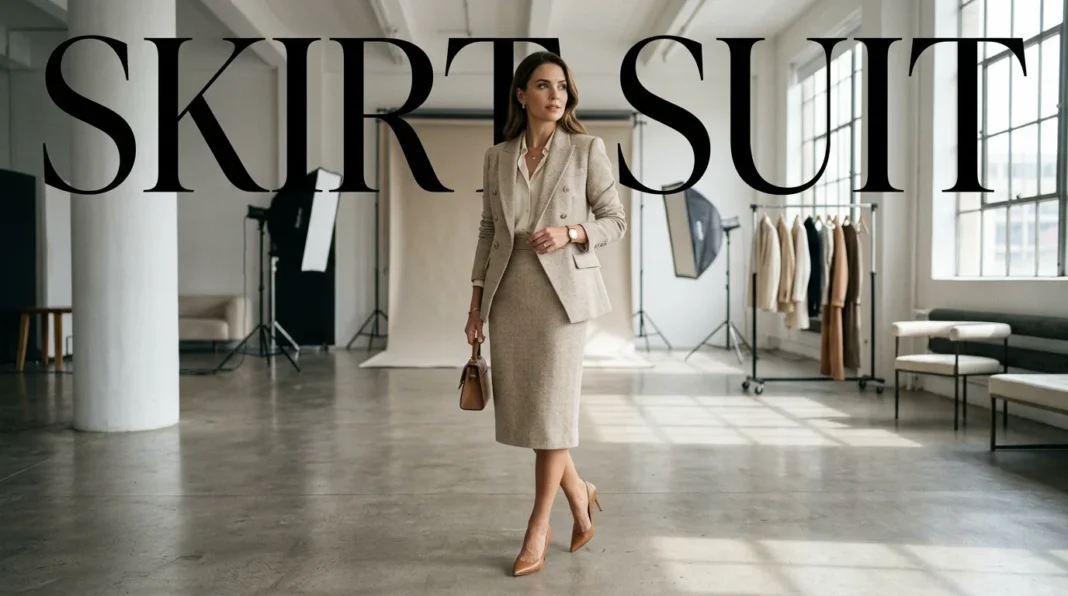

A skirt suit has returned as one of 2026’s clearest tailoring trends. Modern versions feel lighter, sharper, and easier to style than traditional office sets. UK wardrobes can now use matching tailoring for work, weekends, dinners, and special occasions.
The strongest looks balance structure with relaxed styling. Cropped jackets, longer skirts, softer fabrics, and simple layers stop matching pieces from feeling dated. The result can look polished without becoming overly formal.
Quick answer: A modern matching suit works best when you balance its structure with one relaxed element. Try a fitted jacket with a midi skirt, simple knit, and flats. For evenings, choose sharper shoes or stronger jewellery. In colder UK weather, add tights, boots, and a clean wool coat.
Key Facts at a Glance
| Styling choice | Best use | Easy pairing | UK-friendly tip |
|---|---|---|---|
| Cropped jacket + mini | Fashion-led outfits | T-shirt, tights, loafers | Add opaque hosiery in colder weather |
| Blazer + pencil skirt | Work and smart events | Fine knit, pumps, loafers | Navy and charcoal offer easy versatility |
| Boxy jacket + midi | Modern everyday tailoring | Vest, flats, shoulder bag | Works well with lightweight layers |
| Tweed two-piece | Events and smart weekends | Simple top, Mary Janes | Keep accessories restrained |
| Soft jacket + maxi | Relaxed occasions | Fine jersey, slingbacks | Choose fabric with easy movement |
| Dark matching set | Evening or formal use | Statement jewellery, heels | Add texture rather than extra colour |
Key Takeaways
- Matching tailoring is a major 2026 fashion direction.
- Cropped, boxy, fitted, and softer jackets all work with modern skirt shapes.
- Mini, pencil, midi, and maxi lengths create different levels of formality.
- Flats can make coordinated tailoring easier for everyday wear.
- Tights and boots extend lighter outfits through British autumn and winter.
- One contrasting element usually prevents a matching set from looking too formal.
- Fabric, proportions, and footwear matter more than following one fixed formula.
Why the Skirt Suit Is Back in Fashion for 2026
The skirt suit has moved beyond its traditional corporate image. Current collections use shorter jackets, softer shoulders, textured fabrics, and more varied skirt lengths. These changes make coordinated tailoring feel less connected to old office uniforms.
Fashion coverage has documented the shift across major 2026 collections. Magazines have highlighted modern versions using texture, unusual cuts, and lighter styling. The return has also appeared across Dior, Chanel, Proenza Schouler, and other labels.
That runway influence has practical value beyond designer fashion. Matching pieces remove much of the guesswork involved in building a polished outfit. You can also separate both garments and create several additional looks.
Which Silhouette Should You Choose?
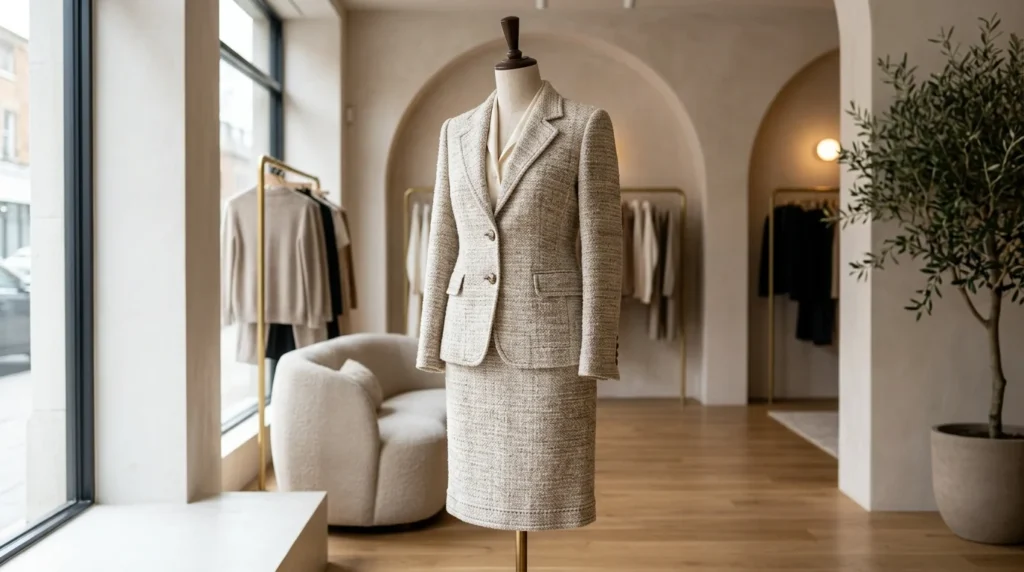
A fitted blazer with a straight or pencil skirt creates the most traditional result. It suits offices, formal lunches, interviews, and events requiring a sharper dress code. Choose a jacket that closes comfortably without pulling across the chest or waist.
Boxier jackets create a more relaxed effect. They work especially well with mini or straight midi skirts because the contrast keeps proportions interesting. A simple vest, fitted T-shirt, or fine knit can keep the outfit clean underneath.
Cropped jackets draw attention towards the waist. They pair easily with high-rise skirts because the shorter top balances the longer lower half. This combination works particularly well when you want definition without a tightly fitted blazer.
How to Choose a Skirt Suit That Fits Well
Start with the shoulders because jacket alterations can become expensive. The seam should sit close to your natural shoulder unless the design intentionally uses an oversized cut. Sleeves should also allow comfortable movement without twisting.
Next, check the skirt while sitting and walking. A pencil cut should not ride up dramatically or restrict your normal stride. Mini styles should remain comfortable when you bend, sit, or climb stairs.
Try both pieces together and separately before buying. A useful two-piece should work as a complete outfit and as individual separates. That versatility gives you more value from the same purchase.
The Best Skirt Length for Your Wardrobe
Mini skirts create the strongest fashion-led effect. They work well with cropped jackets, boxy blazers, loafers, and neat tights. Longer outerwear can add balance when temperatures drop.
Knee-length and pencil shapes suit more formal wardrobes. They pair naturally with blouses, lightweight jumpers, and structured footwear. A small split can improve movement without changing the clean silhouette.
Midi skirts offer greater flexibility between work and casual settings. Straight, A-line, and softly flared designs can all work with tailoring. They also provide enough coverage for boots in cooler British weather.
Maxi versions create a more dramatic shape. Keep the jacket relatively controlled so the outfit does not become visually heavy. Soft fabrics can help longer coordinated pieces move more naturally.
What Should You Wear Underneath?
A plain T-shirt is one of the easiest ways to modernise the look. White, black, grey, and cream create contrast without competing with the matching pieces. Choose a clean neckline and smooth fabric for the sharpest result.
Fine knitwear works better when temperatures fall. A fitted crew neck or roll neck can sit beneath structured tailoring without adding unnecessary bulk. Neutral tones also let patterned or textured fabric remain the main focus.
A satin camisole or lightweight blouse suits dinners and evening plans. Similar fluid fabrics can soften rigid tailoring and create more movement. Trendara’s slip dress styling guide offers related ideas for balancing fluid fabrics with structured layers.
How to Style Matching Tailoring for Work
Professional outfits usually benefit from restrained colour and uncomplicated accessories. Navy, charcoal, black, brown, and muted checks provide strong foundations for repeated wear. A blouse or fine knit can add contrast without weakening the formal effect.
Footwear should suit your workplace rather than a single fashion rule. Loafers, ballet flats, low heels, and polished Mary Janes can all suit coordinated tailoring. Trendara’s guide to flat shoes women can wear everywhere covers several practical options.
Keep the bag structured for a formal finish. A simple tote or medium shoulder bag usually gives enough space without distracting from the outfit. Small jewellery pieces can complete the look without making it busy.
How to Make the Look Feel More Casual
Start by changing what sits underneath the jacket. A cotton T-shirt, fitted vest, or simple jersey top immediately reduces the corporate feeling. Leaving the jacket open can make the outfit appear more relaxed too.
Then choose softer footwear. Ballet pumps, loafers, minimal trainers, or Mary Janes can reduce the formality of structured fabric. These choices work particularly well with mini and midi skirts.
Accessories can also change the mood. A crossbody bag feels more relaxed than a traditional work tote. Sunglasses or simple jewellery can add personality without introducing another major styling theme.
Styling It for Autumn and Winter in the UK
Cold weather doesn’t mean putting matching tailoring away. Tights, boots, fine knitwear, and wool outerwear can make the same outfit useful across several seasons. Darker fabrics also transition naturally into autumn.
Opaque black tights create the simplest practical option. Ivory or pale hosiery can produce a stronger fashion statement with dark or neutral tailoring. Trendara’s white tights styling guide explains how different shades and deniers affect the finished outfit.
Choose outerwear that works with the skirt length. A long wool coat creates a clean vertical line over shorter or midi tailoring. Short jackets can also work when their hem does not fight with the suit jacket underneath.
Colours and Fabrics That Feel Current
Black remains dependable, but it is not your only useful choice. Chocolate brown, burgundy, navy, cream, grey, and muted green all work across British wardrobes. Checks and subtle patterns can also make neutral outfits more distinctive.
Tweed adds texture and naturally references traditional tailoring. Smooth wool gives a cleaner effect, while lighter blends suit transitional weather. Suede and textured finishes can create a stronger seasonal statement.
Consider care requirements before buying delicate materials. A two-piece worn frequently should suit your normal cleaning routine. Practical fabrics often earn more wear than impressive materials that require constant specialist care.
Jewellery and Accessories: Keep One Clear Focus
Simple tailoring gives accessories room to stand out. Small earrings and a structured bag work well for understated outfits. A brooch or stronger necklace can create a more deliberate focal point.
Avoid using several competing accessories at once. One larger necklace usually looks stronger with simple earrings and restrained hair accessories. Trendara’s statement necklace guide explains how to create that balance.
Your bag should also fit the occasion. Compact shoulder bags suit dinners, while totes work better for offices and commuting. Colour doesn’t need to match perfectly if the overall palette stays controlled.
Common Styling Mistakes to Avoid
The first mistake is making every element equally formal. A structured jacket, pencil skirt, stiff blouse, formal pumps, and rigid handbag can feel overly corporate. Relaxing one or two pieces usually creates a more current result.
Poor proportions create another common problem. An oversized jacket and an extremely full skirt can overwhelm each other without enough definition. Adjusting hem length, footwear, or the layer underneath can restore balance.
Buying the two pieces without checking them separately can also limit value. Wear the jacket with jeans or a dress before deciding whether it earns enough space in your wardrobe. Test the skirt with knitwear, shirts, and other jackets for the same reason.
Is the Trend Worth Buying Into?
A coordinated two-piece can be a sensible purchase when both garments work separately. The jacket can move into denim outfits, dresses, and trousers. The skirt can pair with knitwear, shirts, cardigans, and casual footwear.
Think about your existing wardrobe before following one runway silhouette. A dramatic mini may offer limited use if you normally prefer midi lengths. A versatile cut will usually survive longer than one highly specific seasonal shape.
Choose fabric and colour around your routine. Frequent commuters may prefer crease-resistant materials and comfortable shoes. Occasion shoppers can prioritise texture, unusual buttons, or stronger shapes.
Frequently Asked Questions
Is a skirt suit still fashionable in 2026?
Yes, the skirt suit is a prominent 2026 tailoring trend. Major designers have shown matching jackets and skirts in fitted, cropped, boxy, and softer forms. Modern styling also makes the combination useful beyond conventional office dressing.
Can you wear matching tailoring casually?
Yes, because the layer underneath can quickly change the mood. Try a cotton T-shirt, fitted vest, ballet flats, or simple loafers. An open jacket and relaxed bag can reduce formality further.
What shoes work best with a matching jacket and skirt?
Loafers and Mary Janes work well for practical daytime outfits. Slingbacks and pumps can create a sharper finish for work or events. Boots provide warmth and visual weight during autumn and winter.
Can you wear this trend to a wedding?
Yes, as long as the fabric and styling suit the dress code. Tweed, satin-trimmed tailoring, or elegant midi sets can work well for many celebrations. Avoid white or bridal-looking shades unless the couple has approved them.
Should the jacket and skirt match exactly?
Traditional sets normally use matching fabric, colour, and finish. Modern outfits can also combine closely related textures or tones. The key is to make the pairing look intentional rather than accidental.
Are mini or midi versions easier to wear?
Midi versions usually offer more flexibility for work and everyday settings. Minis create a younger, more fashion-led effect and work well with tights. Your normal wardrobe should guide the final choice.
Make Matching Tailoring Work for Your Wardrobe
You do not need to copy a runway outfit from head to toe. Start with the proportions, colours, and footwear you already wear comfortably. Then use matching tailoring to add structure without changing your personal style completely.
A successful two-piece should make dressing easier, not create new problems. Choose pieces that work separately, layer well, and suit British weather. That approach gives the trend value beyond one season.
For more outfit ideas, explore Trendara’s wider fashion coverage. Use its guides to build footwear, hosiery, jewellery, and layering choices around pieces you already own. The strongest wardrobe combines current ideas with practical repeat wear.