

Many people continue to ask, is porridge good for weight loss, especially when looking for a simple, affordable, and filling breakfast. Made from steamed oat groats that are flattened or cut, porridge keeps most of its natural nutrients through minimal processing. A 40-gram serving provides 150–180 calories with water, about 4 grams of fibre, 5 grams of plant protein, and key minerals such as iron and magnesium.
With 3–4 grams of beta-glucan and a low to moderate glycaemic index, it delivers steady energy. At roughly £1–£2 per kilogram for 25 servings, it remains budget-friendly. Understanding these figures helps answer the question clearly: is porridge good for weight loss in structured diet plans?
| Basics | Details |
| Oat Processing | Steamed groats flattened or cut |
| Serving Size | Standard 40-gram portion |
| Calories Water | Provides 150 to 180 calories |
| Calories Milk | Around 220 with semi-skimmed |
| Fibre Content | Four grams of dietary fibre |
| Protein Level | Five grams of plant protein |
| Key Mineral | Iron, magnesium, phosphorus, zinc |
| Beta Glucan | Three to four grams |
| Glycaemic Index | Low to moderate release |
| Energy Release | Gradual glucose steady fuel |
| B Vitamins | Thiamine B5 folate included |
| Fortified Options | Added vitamin D and calcium |
| Product Quality | Minimal processing retains nutrients. |
| Typical Cost | One to two pounds |
| Satiety Support | Fibre protein extends fullness. |
| Heart Benefit | Helps lower LDL cholesterol |
Is Porridge Good For Weight Loss? Nutritional Composition
Porridge is typically made from rolled or steel-cut oats, which are produced by steaming whole oat groats before flattening or cutting them. This light processing preserves the bran and germ, where most nutrients remain. A 40-gram serving provides complex carbohydrates, around 4 grams of fibre, 5 grams of protein, and essential minerals including iron, magnesium, phosphorus, and zinc for daily nourishment.
Calorie Value and Weight Control

Many people ask, Is porridge good for weight loss, especially when tracking calories carefully. A standard 40-gram portion cooked with water delivers roughly 150–180 calories, making it suitable for calorie-controlled diets. When prepared with semi-skimmed milk, calories rise to about 220. Managing toppings such as syrups, sweeteners, or chocolate spreads prevents unnecessary calorie surplus and supports structured weight plans.
Fibre and Digestive Benefits
- Oats naturally contain beta-glucan, a soluble fibre known for forming a gel-like texture in the digestive system.
- This slows stomach emptying and enhances fullness.
- Around 3–4 grams of beta-glucan per serving helps improve cholesterol balance and stabilize glucose release.
- Regular intake supports gut bacteria diversity, encouraging smoother digestion and reduced bloating during structured eating routines.
Blood Sugar Stability and Energy Levels
A common question remains: is porridge good for weight loss, particularly for blood sugar control? Due to its low to moderate glycaemic index, oats release glucose gradually into the bloodstream. This steady energy pattern reduces sharp spikes and crashes that often trigger cravings. Balanced insulin response supports consistent metabolism, helping individuals maintain appetite regulation throughout long working mornings.
Vitamins and Essential Micronutrients
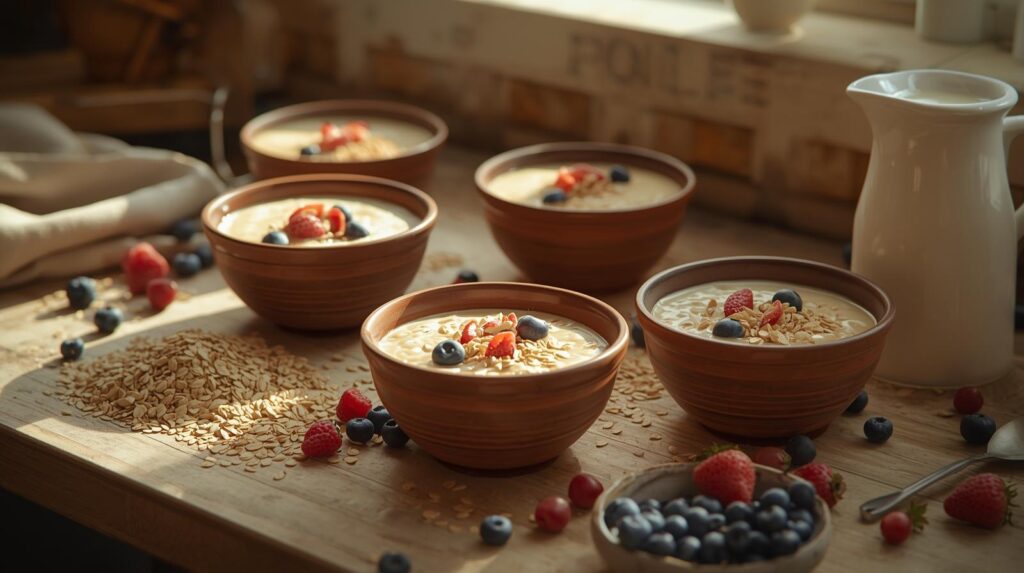
Porridge supplies important B-group vitamins, including B1 (thiamine), B5, and folate, which contribute to energy metabolism and nerve function. It also contains manganese, which supports bone health and antioxidant activity. When fortified varieties are chosen, additional vitamin D or calcium may be included. These micronutrients enhance overall nutritional value while supporting balanced dietary intake without unnecessary additives.
Manufacturing Quality and Ingredient Choices
When considering Is porridge good for weight loss, product quality matters significantly. Whole rolled oats undergo minimal industrial processing compared with flavoured instant sachets that often include refined sugar, artificial flavourings, and added salt. Choosing plain oats ensures cleaner ingredients and better fibre retention. Transparent labelling allows consumers to monitor carbohydrate levels and avoid hidden sweeteners.
Cost and Accessibility

A standard 1-kilogram bag of plain oats typically costs between £1 and £2 and provides approximately 25 servings, making it highly economical. Even premium organic versions usually remain under £3. Compared with protein bars or ready-made breakfast items, porridge offers greater nutritional value per pound spent, supporting consistent healthy eating without placing pressure on household budgets.
Satiety and Portion Control
People frequently wonder, Is porridge good for weight loss, especially regarding hunger management. The combination of fibre and moderate protein enhances satiety for several hours. Pairing oats with seeds, nuts, or natural yogurt increases protein and healthy fats, extending fullness further. Controlled 40- to 50-gram dry portions help prevent overeating while maintaining balanced daily calorie targets.
Practical Health Benefits
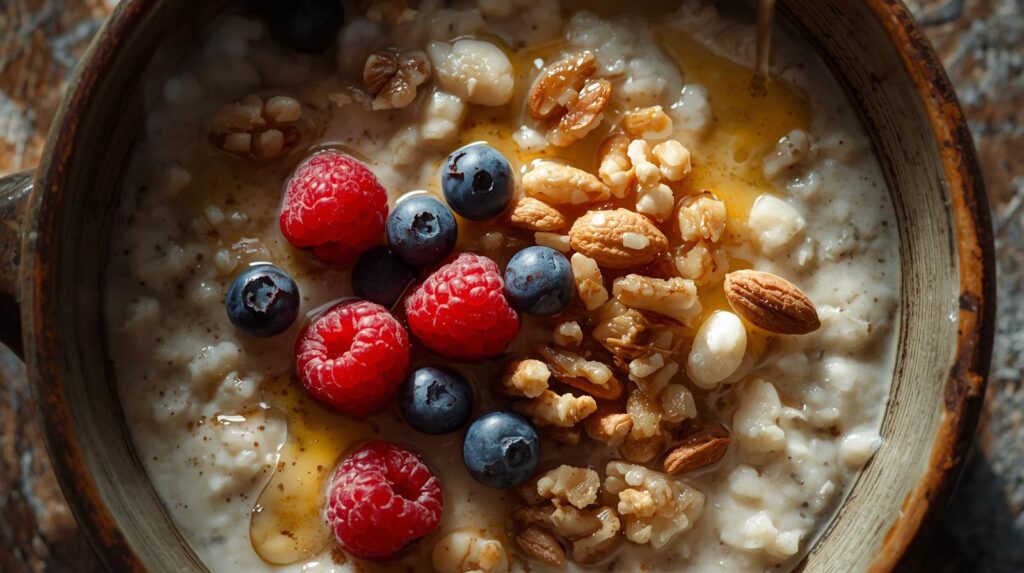
- Beyond weight management, porridge supports heart health by helping reduce LDL cholesterol levels through beta-glucan intake.
- It’s slow carbohydrate absorption helps sustain concentration and physical stamina.
- Athletes and busy professionals often rely on it for reliable morning energy.
- Consistent consumption may improve digestive comfort and reduce reliance on highly processed breakfast foods.
Porridge and Long-Term Healthy Eating Habits
One often overlooked advantage of porridge is its role in supporting long-term healthy eating habits. Because it is simple to prepare, highly versatile, and naturally satisfying, it can help individuals maintain a consistent breakfast routine without relying on processed convenience foods.
Adding ingredients such as fresh berries, cinnamon, chia seeds, or sliced bananas can improve both flavour and nutritional value while keeping meals balanced. This flexibility makes porridge an easy option for people seeking sustainable dietary changes rather than short-term weight-loss solutions.
Overall Effectiveness for Slimming Goals
The recurring concern, Is porridge good for weight loss, depends on preparation and balance. When cooked simply with water or low-fat milk and topped with fruit instead of sugar, it fits structured calorie plans effectively. Its nutrient density, affordability, and sustained energy release make it practical for long-term weight management rather than short-term restrictive dieting.

Conclusion
In conclusion, is porridge good for weight loss depends largely on preparation, portion size, and overall diet balance. A 40-gram serving provides about 150–180 calories with water, 4 grams of fibre, 5 grams of plant protein, and important minerals like iron and magnesium. It’s 3–4 grams of beta-glucan that promote fullness and steady energy release.
Costing roughly £1–£2 per kilogram, it is affordable and nutritious. When kept simple and portion-controlled, the question of whether porridge is good for weight loss becomes easier to answer confidently.
Apart from that, if you want to know more about 10 Essential Tips for Starting a Successful Workout Routine then visit our Fitness category.
FAQs
A standard serving delivers about 4 grams of fibre, 5 grams of plant protein, and key minerals including iron, magnesium, phosphorus, and zinc for daily nutritional support.
Its fibre content, especially 3–4 grams of beta-glucan, slows digestion and extends satiety. Combined with protein, this helps control appetite for several hours.
Oats have a low to moderate glycaemic index, meaning glucose enters the bloodstream gradually. This steady release reduces sharp spikes and supports balanced energy levels.
A one-kilogram bag typically costs between £1 and £2 and provides around 25 servings, making it an economical and practical breakfast option.
It contains B-group vitamins, including thiamine, B5, and folate. Some fortified varieties may also include added vitamin D and calcium.