
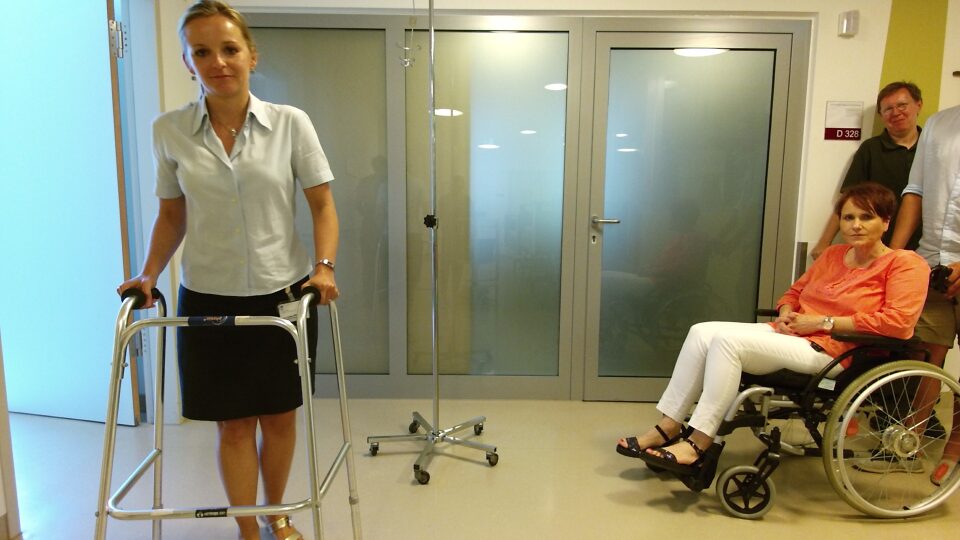

Mobility aids play a crucial role in enhancing independence, comfort, and safety for people facing challenges with movement. Whether due to aging, injury, or a long-term health condition, the right mobility device can significantly improve quality of life. However, with so many options available today—from standard wheelchairs to specialized rollators—choosing the most suitable aid can be overwhelming.
Understanding the different types of mobility aids and how they cater to various needs is key to making an informed decision. Each device serves a unique purpose, and selecting the right one depends on factors such as physical condition, lifestyle, environment, and personal preferences.
This article explores a range of mobility aid options, from basic to advanced, highlighting their uses, features, and benefits. Whether you’re selecting one for yourself or a loved one, knowing the differences between standard and specialized equipment is the first step toward improved mobility and independence.
Standard Wheelchairs
A standard wheelchair is a basic, manual mobility aid designed for individuals who need support getting around but still retain upper body strength or have a caregiver to assist with pushing.
Most standard wheelchairs are foldable, making them easy to transport and store when not in use. Standard wheelchair width typically falls between 16 and 20 inches, with 18 inches being the most commonly selected size. Choosing the correct width is essential, as a chair that’s too narrow can lead to discomfort or pressure points, while one that’s too wide may reduce stability and proper posture.
Standard wheelchairs come with fixed or detachable armrests and footrests and are ideal for short- to medium-term use. They’re often used in hospitals, rehabilitation centers, and home care settings.
Lightweight and Transport Wheelchairs
For those who travel frequently or need a more portable option, lightweight and transport wheelchairs offer practical advantages. These models are constructed with lighter materials like aluminum, making them easier to lift and carry.
Transport wheelchairs, in particular, are designed to be pushed by a caregiver and usually lack the large rear wheels found on self-propelled chairs. These are ideal for short outings, doctor’s visits, or travel, especially when the user cannot self-propel.
Power Wheelchairs
Power wheelchairs are motorized and offer greater independence for users with limited upper body strength or endurance. Controlled via a joystick or specialized interface, these wheelchairs are suitable for indoor and outdoor use.
They offer adjustable seating, reclining options, and battery-powered movement, which make them ideal for individuals with chronic health conditions or severe mobility limitations. While more expensive than manual wheelchairs, power chairs can be life-changing for those who rely on them daily.
Rollators
A rollator is a type of walking aid designed with four wheels, supportive handlebars, and an integrated seat for resting. It is designed for individuals who can walk but need support with balance, endurance, or stability.
Rollators are often used by seniors or those recovering from surgery. The seat allows users to take breaks when needed, and many models include storage pouches or baskets for added convenience.
They are ideal for active users who want to maintain an independent lifestyle and continue walking as much as possible. With their brake systems and easy maneuverability, rollators are suitable for both indoor and outdoor use.
Walkers and Zimmer Frames
For individuals who need more stability than a rollator offers, walkers or Zimmer frames provide firm, non-wheeled support. These aids are best suited for indoor use and require lifting with each step, which makes them less ideal for long distances or uneven terrain.
Some walkers include two front wheels to help glide forward while still offering stability. They’re commonly used during rehabilitation or by individuals with severe balance issues.
Canes and Walking Sticks
At the simpler end of the mobility aid spectrum are canes and walking sticks. These provide mild support for people who need help with balance or have a minor injury. They come in various styles, including single-point canes for light assistance and quad canes for extra stability.
Canes are portable, discreet, and affordable, making them a practical option for many users. However, they offer limited support compared to walkers or rollators and are best suited for those with minimal mobility challenges.
Specialized Mobility Aids
Beyond the standard options, there are specialized mobility aids designed to meet very specific needs. These include:
- Standing wheelchairs, which help users transition from sitting to standing positions.
- All-terrain rollators and wheelchairs, built for outdoor enthusiasts.
- Tilt-in-space wheelchairs, which provide full-body support and are often used in long-term care for individuals with severe disabilities.
These high-level aids often require professional assessment and customization to fit the user’s physical and medical needs precisely.
Conclusion
Mobility aids have come a long way, offering solutions that suit a wide range of physical conditions and lifestyles. From standard wheelchairs to advanced powered models and versatile rollators, there’s no shortage of options for those seeking independence and support.
The key is to match the aid to the user’s individual needs—considering factors like mobility level, daily routine, strength, and environment. Consulting with a healthcare professional or mobility specialist can ensure the right choice is made, promoting safety, comfort, and a higher quality of life.
Regardless of the difficulty, the right mobility aid can empower individuals to move beyond their limitations and regain independence. With thoughtful selection and proper use, these tools open the door to a more active, confident, and fulfilling life.
Apart from that, if you are interested to know about “The Science of Skincare” then visit our “Health” category.