
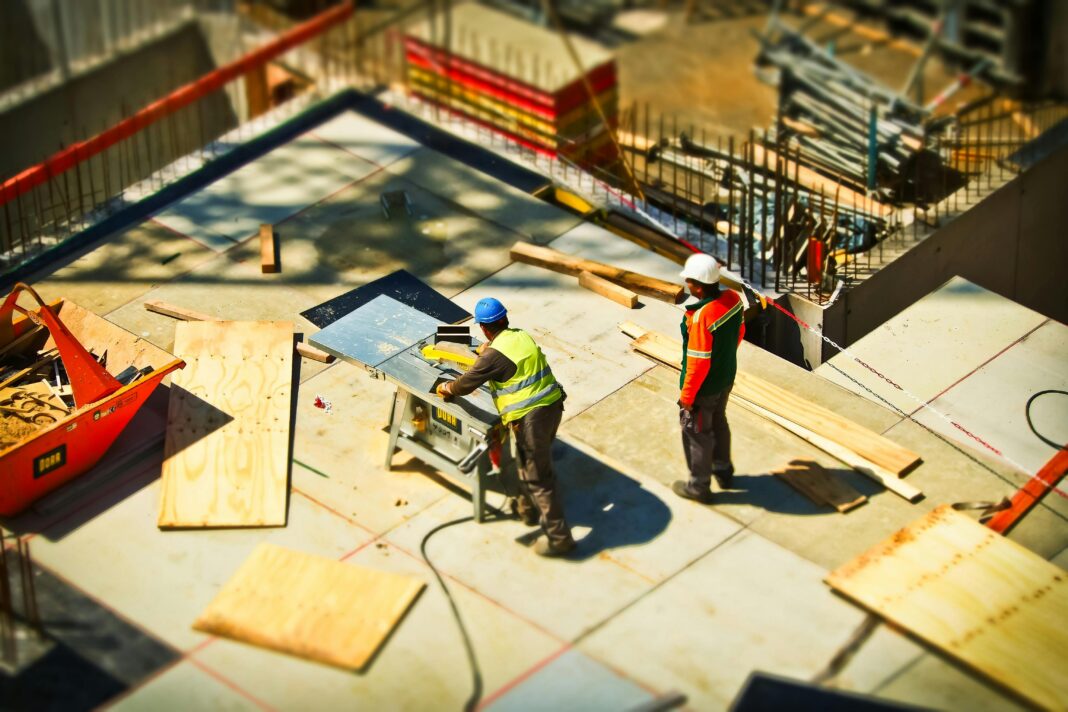

At a Glance
HSE compliance on construction sites depends on thorough planning, controlled access, safe working practices and continuous monitoring. Key priorities include managing work at height, traffic and plant risks, maintaining welfare facilities, and implementing environmental controls. Consistent oversight and practical management ensure safer operations, regulatory compliance and improved overall project performance.
Why HSE Standards Matter on Construction Sites
Health, Safety and Environment standards are central to the success of any construction project. For construction managers and site owners, they are about much more than meeting legal obligations. Compliance with HSE regulations helps reduce delays, prevent accidents, improve workforce morale and protect business reputation.
A well-managed site creates the right conditions for safe and productive work. That includes everything from secure access and safe traffic routes to welfare units with office, rest areas and clear supervision. When HSE is embedded into the day-to-day running of a project, it becomes easier to maintain high standards from mobilisation through to completion.
Construction sites are constantly changing, with new contractors arriving, work phases shifting and risks evolving. To keep pace, site managers need a practical approach that combines planning, communication, monitoring and continuous improvement. The strongest sites are usually those where HSE is treated as part of operational performance rather than a paperwork exercise.
1. Start with Proper Planning
Effective HSE compliance begins before work starts on site. Every project should be supported by suitable risk assessments, method statements, and a clear understanding of how the site will operate safely. This includes reviewing major hazards such as excavation, lifting operations, work at height, plant movement, temporary works and public access.
Planning should also consider the site’s layout. Welfare areas, material storage, access points, pedestrian walkways, and vehicle routes should be positioned to minimise avoidable risks. A poorly planned site often creates problems that persist throughout the project, from congestion and confusion to a higher risk of accidents.
Construction managers should also ensure that enough time, labour, supervision, and equipment are allocated from the start. HSE compliance tends to suffer when work begins without proper preparation or when teams are forced to react to preventable issues.
2. Control Access and Site Security
Construction sites need strong access control to protect workers, visitors, and the public. Secure boundaries, locked entry points, warning signage and clear induction procedures all help create a safer environment from day one.
Everyone entering the site should understand the rules, emergency arrangements and any specific hazards relevant to the project. This applies not just to direct employees, but also to subcontractors, delivery drivers, and short-term visitors. In many cases, incidents happen because controls are weaker for occasional site users than for the main workforce.
Clear separation between pedestrian routes and vehicle routes is also essential near site entrances. Busy access points can quickly become high-risk areas if movement is not properly managed.
3. Manage Work at Height Carefully
Work at height remains one of the most serious risks on construction projects. That makes planning and control especially important. The first step is always to avoid working at height where possible. If the task cannot be eliminated, managers must make sure the safest practical method is in place.
This may include scaffolding, podium steps, mobile towers, edge protection, or other access systems suitable for the specific task. Equipment should be inspected regularly, operated by competent workers, and monitored by supervisors who understand the associated risks.
It is also important to prevent unsafe shortcuts. Even where suitable equipment is available, workers may still be tempted to improvise if deadlines are tight or tasks appear routine. Visible supervision and regular reinforcement of site rules help reduce this risk.
4. Improve Traffic and Plant Safety
Vehicles, equipment and pedestrians create one of the most challenging safety issues on any active construction site. Reversing movements, restricted visibility, uneven ground and changing layouts all increase the chance of serious incidents.
A clear traffic management plan is essential, and should include designated delivery zones, one-way systems where possible, speed restrictions, banksman arrangements and marked pedestrian routes. The aim is to minimise interaction between people and moving vehicles.
Managers should also check that plant operators are trained, authorised and using the correct equipment for the task and the site conditions. As the project develops, traffic routes may need to change and those changes should always be reviewed properly before they are introduced.
5. Prioritise Worker Welfare
Worker welfare is a key part of HSE compliance and site performance. Clean toilets, handwashing facilities, drinking water, rest areas and suitable shelter are essential on any construction project. These facilities support health, dignity and day-to-day productivity.
Welfare provision should not be treated as a basic tick-box requirement. Poor standards can affect morale, reduce hygiene and create unnecessary dissatisfaction among the workforce. For larger or longer projects, facilities should be reviewed regularly to ensure they continue to meet site demands as worker numbers and activities change.
For construction managers and owners, maintaining good welfare standards also sends a clear message that the workforce is valued. That can directly impact behaviour, engagement, and cooperation across the site.
6. Include Environmental Controls in Daily Management
Environmental management should sit alongside health and safety rather than being treated as a separate issue. Dust, noise, spills, waste, emissions and water runoff can all affect the site team, neighbours and the wider environment.
Construction managers should have practical controls in place for dust suppression, waste segregation, fuel storage, and pollution prevention. These measures are especially important on sites near homes, public spaces, or sensitive environments.
Good environmental practice helps maintain compliance and protects client relationships and public reputation. For many construction businesses, that is now a significant part of winning and retaining work.
7. Review Standards Throughout the Project
HSE compliance should be monitored continuously, not only during formal inspections. Site walkarounds, audits, near-miss reporting and follow-up actions all help managers understand whether controls are working in practice.
The best sites are usually the ones that respond quickly to small issues before they become serious problems. That requires visible leadership, clear accountability, and a willingness to raise standards throughout the project’s life.
Final Thoughts
HSE compliance on construction sites comes from consistent planning, practical controls, clear communication, and ongoing review. For construction managers and owners, the goal is to create sites that are compliant, well organised, and safe for everyone involved.
When health, safety, welfare, and environmental standards receive proper attention, the benefits extend far beyond compliance. They support better project delivery, stronger workforce morale and greater confidence from clients and stakeholders alike.
Apart from that, if you want to know more about Calculate Your Garage Construction Cost in Edmonton Easily then visit our Home Improvement category.