
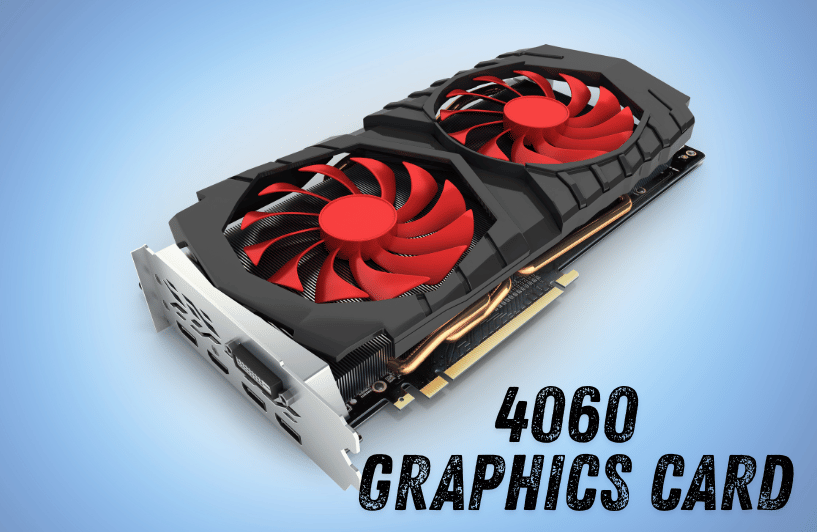

The 4060 Graphics Card excels at 1080p gaming, providing fluid gameplay even in graphically demanding titles, and its support for DLSS 3 ensures AI-powered frame generation that boosts performance while maintaining sharp visuals.
While its 8 GB VRAM limits ultra-high-resolution gaming, the 4060 Graphics Card still handles mid-range 1440p gaming and creative workflows like video editing, rendering, and design projects with ease. Its combination of energy efficiency, advanced AI features, and compact design.
| Category | Details |
| GPU Name | RTX 4060 Graphics Card |
| Architecture | Ada Lovelace |
| CUDA Cores | 3072 |
| Boost Clock | Up to 2460 MHz |
| Memory | 8 GB GDDR6, 128-bit bus |
| Memory Bandwidth | 272 GB/s |
| TDP / Power Draw | 115 W |
| Recommended PSU | 550 W |
| Display Outputs | HDMI 2.1, 3× DisplayPort 1.4a |
| Gaming Performance | Excellent 1080p, mid-range 1440p with DLSS 3 |
| Ray Tracing | 3rd-generation cores for realistic lighting & reflections |
| DLSS Support | DLSS 3 for AI-powered frame generation |
| Creative Workloads | Video editing, 3D rendering, graphic design, AV1 encoding |
| Compact Design | Fits small form factor PCs, low cooling needs |
| Pros | Energy-efficient, AI-enhanced, excellent 1080p gaming, compact, handles mid-range creative tasks |
| Cons | Limited 8 GB VRAM, less suitable for 4K/ultra settings, price-to-performance may be less appealing vs discounted older GPUs |
| Ideal Users | 1080p gamers, content creators, small PC builders, streamers |
| Not Ideal For | Hardcore 1440p/4K gamers, professional rendering farms |
4060 Graphics Card
The 4060 graphics card is NVIDIA’s mid-range powerhouse built on the advanced Ada Lovelace architecture, striking a balance between performance, efficiency, and affordability. Designed primarily for 1080p gaming, the 4060 Graphics Card delivers smooth frame rates and stunning visuals, making it an ideal choice for mainstream gamers and creative professionals alike.
With a low 115 W power draw, it supports compact PC builds without demanding large power supplies or extensive cooling solutions, while its supports DLSS 3 leverages AI-powered frame generation to boost FPS without compromising visual fidelity.
Although its 8 GB VRAM may limit high-resolution 1440p or 4K gaming performance, the 4060 Graphics Card excels in mid-range creative workloads such as video editing, 3D rendering, and graphic design. Its combination of energy efficiency, compact design, and AI-enhanced features makes the 4060 Graphics Card versatile and attractive.
Architecture and Core Specifications
The RTX 4060 is built on NVIDIA’s Ada Lovelace architecture, which focuses on efficiency, high performance, and advanced AI capabilities. Key specifications include:
- GPU Codename: AD107
- CUDA Cores: 3072 – responsible for parallel processing tasks and gaming performance
- Boost Clock: Up to 2460 MHz
- Memory: 8 GB GDDR6 on a 128-bit bus
- Memory Bandwidth: Approximately 272 GB/s
- TDP (Power Draw): 115 W, making it suitable for mid-range systems
- Recommended System Power Supply: 550 W
- Display Outputs: HDMI 2.1 and three DisplayPort 1.4a connectors
- This combination of features allows the RTX 4060 to deliver strong 1080p performance while keeping energy consumption and heat output low, making it ideal for compact PC builds.
Gaming Performance
1080p Gaming
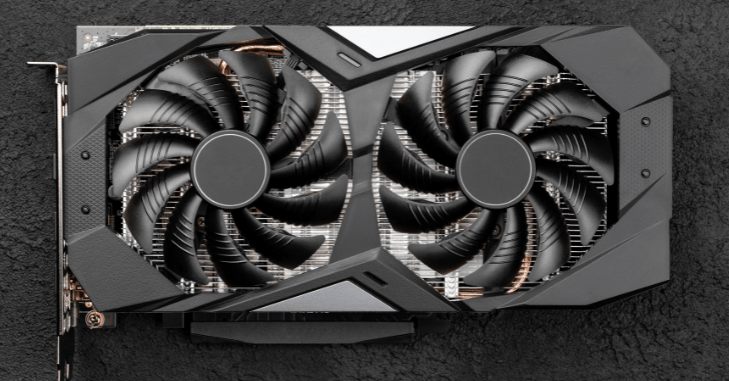
The RTX 4060 is optimized for 1080p high-frame-rate gaming. Modern titles like Cyberpunk 2077, Assassin’s Creed Valhalla, and Far Cry 6 run smoothly on high settings, delivering consistent frame rates without significant stuttering.
1440p Gaming
While primarily designed for 1080p, the RTX 4060 can handle 1440p gameplay with the help of DLSS 3 (Deep Learning Super Sampling), which uses AI to upscale lower-resolution frames to higher resolutions. This allows for smooth gaming experiences even on demanding titles, though ultra settings may reduce frame rates.
Ray Tracing
Equipped with 3rd-generation ray tracing cores, the RTX 4060 brings realistic lighting, shadows, and reflections to games. Combined with DLSS 3, ray tracing performance is improved while minimizing the usual performance penalties.
Creative and Productivity Applications
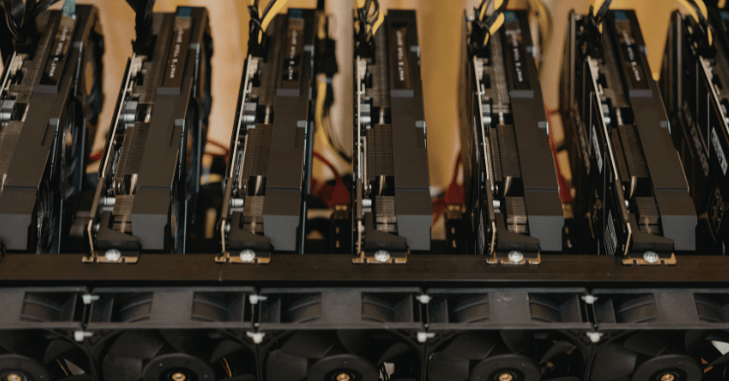
The RTX 4060 is not just for gamers. Its Tensor cores and GPU acceleration make it suitable for:
- Video editing and rendering high-resolution footage
- 3D modeling and animation
- Graphic design workflows
- AI and machine learning tasks, like model inference and small-scale training
- AV1 video encoding/decoding, enabling efficient handling of modern video formats
Though not a professional workstation card, it provides sufficient power for content creators working on mid-range PCs.
Key Features
DLSS 3
- AI-Powered Frame Generation: Uses artificial intelligence to generate extra frames, boosting overall frame rates.
- Maintains Visual Fidelity: Enhances performance without reducing image quality.
- Ideal for Gaming: Especially beneficial in graphics-intensive games for smoother gameplay.
- Creative Workloads: Helps in video editing, 3D rendering, and other GPU-heavy creative tasks.
- DLSS 3 Support: Integrates seamlessly with NVIDIA’s AI-driven DLSS 3 technology for improved performance.
Ada Lovelace Architecture
- Improved Performance per Watt: Delivers higher computing power while consuming less energy.
- Energy-Efficient Computing: Reduces overall power consumption, making it ideal for compact or mid-range PCs.
- Advanced Architecture: Built on NVIDIA’s Ada Lovelace design for optimized efficiency.
- Lower Heat Output: Generates less heat compared to older GPU generations.
- Cost-Effective Operation: Helps save on electricity while maintaining strong performance.
Ray Tracing
- Realistic Lighting: Simulates lifelike lighting effects in games.
- Accurate Reflections: Produces natural reflections on surfaces for enhanced realism.
- Immersive Visuals: Creates a more engaging and visually appealing gaming experience.
- Ray Tracing Enabled: Utilizes dedicated ray tracing cores for high-quality graphics.
- Modern Game Support: Optimized for current titles with advanced visual effects.
Compact Design
- Low TDP (Thermal Design Power): Consumes less power compared to higher-end GPUs.
- Ideal for Small Form Factor PCs: Fits compact builds without overheating.
- Minimal Cooling Requirements: Does not need large or complex cooling solutions.
- Compatible with Modest PSUs: Works well with mid-range power supplies, reducing system cost.
- Energy-Efficient Performance: Balances power consumption and gaming/creative capabilities.
Comparison with Competitors
| GPU Model | Relative Performance | Key Notes | Ideal Use |
| RTX 3060 | Slightly lower than RTX 4060 | Less efficient energy usage, fewer AI features | 1080p gaming, mid-range workloads |
| RTX 4060 | Mid-range | Better energy efficiency, DLSS 3 support, AI-enhanced features | 1080p high settings, creative tasks, small form factor PCs |
| RTX 4060 Ti | Higher than RTX 4060 | More CUDA cores, higher VRAM | 1440p gaming, demanding workloads |
| Radeon RX 7600 | Comparable to RTX 4060 | Raw performance is similar, but lacks DLSS | 1080p gaming, general use |
Pros and Cons
Advantages
The RTX 4060 is built on NVIDIA’s modern Ada Lovelace architecture, offering a powerful combination of efficiency and performance. With a modest 115 W power draw, it provides excellent 1080p gaming performance without demanding extensive cooling or high-wattage power supplies.
The GPU supports DLSS 3, allowing AI-driven upscaling to boost frame rates while maintaining visual quality. Its compact design makes it an ideal choice for small form factor PC builds, and it is also capable of handling mid-range creative workflows such as video editing, 3D rendering, and graphic design tasks.
Disadvantages
The RTX 4060 comes with a limited 8 GB of VRAM, which can pose challenges for gaming at 1440p or higher resolutions, particularly in demanding modern titles. It is not ideally suited for high-end 4K gaming, where larger memory buffers and more powerful GPUs are often necessary.
Additionally, its price-to-performance ratio may seem less appealing if older-generation GPUs are available at discounted rates. For newer, graphics-intensive games, achieving consistently high settings may require the use of DLSS or other performance-enhancing technologies to maintain smooth gameplay.
Who Should Buy the RTX 4060?
Ideal for
- 1080p gamers looking for high FPS
- Content creators needing GPU acceleration for video editing or design
- Users building energy-efficient or compact PCs
- Streamers seeking an affordable card with modern features
Not recommended for
- Hardcore 1440p/4K gamers without DLSS
- Professional-grade rendering farms or AI-heavy workloads
Maintenance and Optimization Tips
- Keep drivers updated for optimal performance and compatibility
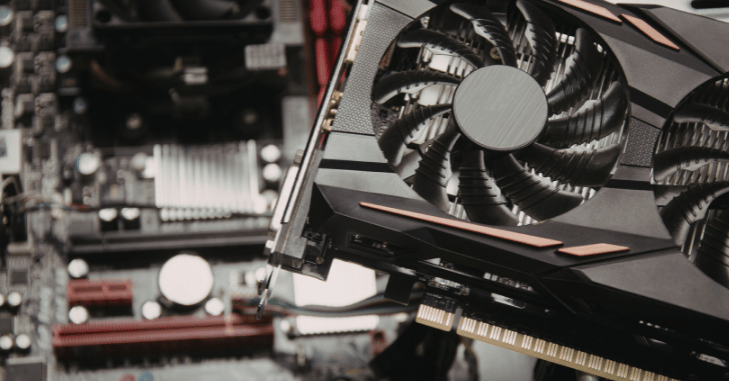
- Ensure sufficient airflow in compact cases to prevent thermal throttling
- Use DLSS 3 where available to boost frame rates in demanding games
- Monitor VRAM usage in high-resolution or mod-heavy games to avoid performance drops
Price and Availability
The RTX 4060 is positioned as a mid-range GPU designed for mainstream users who want strong performance without breaking the bank. Its price is generally lower than the RTX 4060 Ti’s, making it an attractive option for budget-conscious gamers seeking excellent 1080p performance and AI-enhanced features.
However, market fluctuations, stock availability, and regional differences can influence pricing, sometimes causing temporary spikes or discounts. Therefore, it is recommended to compare prices across multiple retailers and to strategically time purchases to get the best value for money.
Conclusion
In conclusion, the NVIDIA RTX 4060 graphics card stands out as a versatile and efficient solution for gamers and creators seeking strong performance without the premium cost of high-end GPUs. With its Ada Lovelace architecture, 8 GB GDDR6 memory, and support for DLSS 3.
The 4060 delivers smooth 1080p gaming, capable mid-range 1440p performance, and AI-enhanced frame generation that elevates both gaming and creative workloads. Its compact design, low 115 W power draw, and energy-efficient operation make it ideal for small-form-factor PCs, while its AI and ray tracing capabilities ensure modern visuals remain crisp and immersive.
Want to know about NVIDIA 5000 Series GPUs: Next-Generation Performance for Gaming, AI, Content Creation, Professional Workloads, and More Information Check out our Tech category.
FAQs
The RTX 4060 is optimized for 1080p high-frame-rate gaming, delivering smooth performance in modern titles. It can also handle 1440p gaming with DLSS 3, though ultra settings may reduce frame rates due to its 8 GB VRAM limit.
Yes, it features 3rd-generation ray tracing cores for realistic lighting and reflections, and DLSS 3 support, which uses AI-powered frame generation to boost FPS without sacrificing visual quality.
The 4060 is capable of mid-range creative workloads like video editing, 3D rendering, graphic design, and AI-assisted tasks, making it a solid option for content creators on mid-range systems.
With a low 115 W TDP, the RTX 4060 is energy-efficient and can run in compact PC builds. NVIDIA recommends a 550 W power supply for stable operation.
The RTX 4060 offers better energy efficiency, DLSS 3 support, and AI-enhanced features than the RTX 3060. It is comparable in raw performance to the Radeon RX 7600 but excels in AI-powered upscaling and ray tracing.
It’s ideal for 1080p gamers, content creators, streamers, and small-form-factor PC builders. It’s less suited for hardcore 1440p/4K gamers or professional rendering farms that require higher VRAM and extreme performance.