
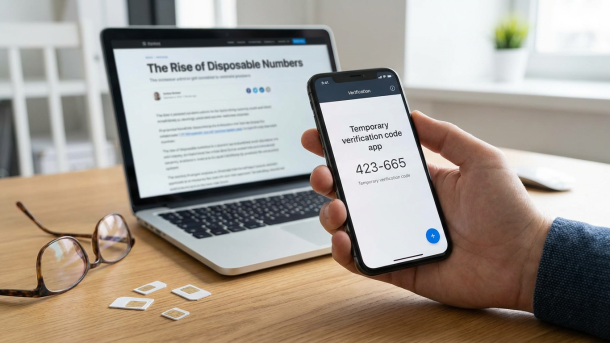

In today’s digital world, sharing your personal phone number has become almost unavoidable. From signing up for social media accounts to verifying online services, phone number authentication is everywhere. While this improves security, it also increases exposure to spam, marketing calls, and potential privacy risks. This is where a temp number becomes a practical and increasingly popular solution.
A temp number, short for a temporary phone number, is a virtual number that you can use for a limited time. It allows you to send or receive SMS messages and sometimes even make calls without revealing your real personal number. Once you’re done using it, the number can expire or be discarded, keeping your primary phone line private and protected.
Why People Use a Temp Number
The most common reason for using a temp number is privacy. When registering on unfamiliar websites, online marketplaces, dating apps, or promotional offers, users often hesitate to provide their personal contact information. A temporary number acts as a buffer between your private life and online platforms.
Another major use case is account verification. Many websites require SMS-based one-time passwords (OTP) to confirm their identity. Instead of using your personal number for one-time access, a temp number allows you to receive verification code safely without long-term exposure.
Business professionals and freelancers also use temporary numbers to separate work and personal communication. For short-term projects or campaigns, a temp number provides flexibility without committing to an additional SIM card.
How a Temp Number Works
Temp numbers operate through virtual telecommunication systems. Instead of being tied to a physical SIM card, these numbers are cloud-based. When you request a temporary number through a service provider, you gain access to a dashboard or inbox where incoming messages are displayed.
Some services offer shared public numbers where multiple users can access incoming SMS messages. Others provide private temporary numbers for individual use, which offer greater confidentiality and security.
The duration of use depends on the provider. Some numbers last for a few minutes, others for hours or even days. Premium services may allow extended access and additional features such as call forwarding or message storage.
Benefits of Using a Temp Number
1. Enhanced Privacy
Using a temporary number reduces the risk of spam calls, unwanted marketing messages, and data leaks. Your real phone number remains confidential.
2. Spam Protection
Online registrations often result in promotional messages. With a temp number, you can avoid cluttering your personal inbox.
3. Convenience
There’s no need to purchase an extra SIM card. Everything works digitally and can often be accessed from a web browser or app.
4. Cost-Effective
Many temporary number of services are free or low-cost, making them accessible for short-term needs.
Limitations and Considerations
While temp numbers are useful, they are not suitable for every situation. Some platforms block known temporary number providers to prevent abuse. Additionally, shared public numbers may not guarantee privacy since messages could be visible to others.
For sensitive accounts like banking or long-term business services, using a personal and secure phone number is usually recommended. Temporary numbers are best for short-term verification, testing services, or low-risk registrations.
Another important consideration is legality and ethical use. Temp numbers should be used responsibly. Misusing them for fraud, harassment, or bypassing platform policies can lead to legal consequences or account bans.
Who Should Consider Using a Temp Number?
- Online shoppers signing up for promotions
- Freelancers managing short-term client communication
- Individuals testing new apps or platforms
- Users concerned about privacy and spam exposure
- Developers testing SMS verification systems
Final Thoughts
A temp number is a simple yet powerful tool for protecting privacy in a world where phone number verification has become standard. It offers flexibility, security, and convenience without requiring long-term commitment. While it’s not a replacement for your primary number in critical situations, it serves as an effective shield against spam and unnecessary exposure.