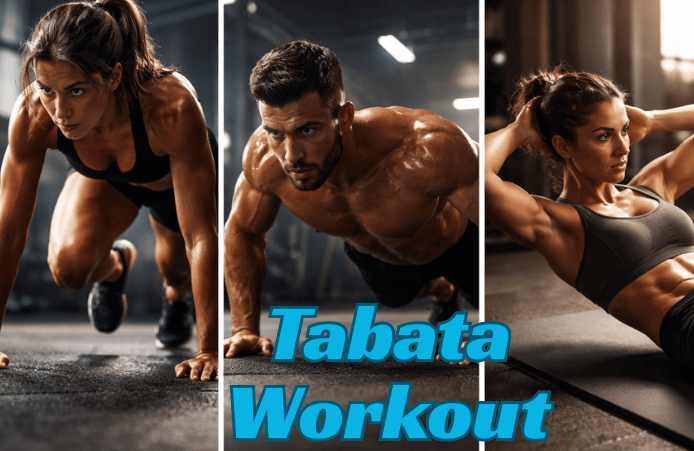

The Tabata workout is one of the most powerful and time-efficient forms of high-intensity interval training (HIIT) designed to transform your body in a short period of time. This Tabata workout method is highly effective for rapid fat loss, improved cardiovascular endurance, increased strength, and full-body conditioning, making it a complete fitness solution for all levels.
By combining short bursts of maximum effort with brief rest periods, the Tabata workout pushes your body to its limits, helping you burn calories faster and boost metabolism even after the training session ends, making it ideal for anyone who wants fast and visible results in minimal time.
In this guide, you will learn everything about the Tabata protocol, its benefits, how it works, exercises you can perform, and a complete workout plan for beginners and advanced fitness levels.
| Section | Key Points |
| Introduction | High-intensity HIIT workout for fat loss, strength, endurance, and full-body conditioning in a short time |
| What is a Tabata workout? | 20 sec work + 10 sec rest × 8 rounds (4 minutes per set), very intense training method |
| How it Works | Lower body, upper body, cardio, and core-focused Tabata rounds |
| Benefits | Rapid fat loss, strength building, better cardio health, time-efficient, no equipment needed |
| Best Exercises | Burpees, jump squats, push-ups, mountain climbers, lunges, core workouts |
| Workout Structure | 5–10 min warm-up → 4 min Tabata set → 5 min cool-down |
| Sample Plan | Lower body, upper body, cardio, and core-focused Tabata rounds |
| Nutrition Tips | High protein diet, low sugar, hydration, healthy fats, complex carbs |
| Beginner vs Advanced | Beginners: 1–2 rounds, low impact |
| Who Should Do | Fat loss seekers, busy people, athletes |
| Tips | Max effort, consistency, recovery, track progress |
| Conclusion | Highly effective fat-burning workout for fast results with proper diet and consistency |
What is a Tabata workout?

A Tabata workout is a high-intensity interval training (HIIT) method designed to improve fitness, burn fat, and build endurance in a very short amount of time. It follows a simple structure of 20 seconds of maximum effort followed by 10 seconds of rest, repeated for 8 rounds, making each set just 4 minutes long.
The Tabata workout pushes the body to its limits, targeting both aerobic and anaerobic energy systems, which helps increase metabolism, improve cardiovascular health, and promote rapid calorie burning even after the exercise session is completed.
How Tabata Works in the Body
Tabata training targets both aerobic and anaerobic energy systems, making it highly effective for overall fitness improvement.
Key physiological effects include
- Increases calorie burn during and after exercise (afterburn effect)
- Improves oxygen consumption (VO₂ max)
- Enhances fat oxidation for better fat loss
- Builds greater muscle endurance and stamina
- Boosts metabolic rate for several hours after training
- Because the intensity is very high, your body continues burning calories even after the workout ends.
- This extended calorie burn effect is known as Excess Post-Exercise Oxygen Consumption (EPOC)
Benefits
Tabata training offers a wide range of physical and metabolic benefits that make it one of the most effective high-intensity workout methods for fat loss, strength, and overall fitness.
Rapid Fat Loss
Tabata is extremely effective for burning calories in a short amount of time. It helps reduce overall body fat percentage while boosting metabolic rate, which allows your body to continue burning calories even after the workout is finished.
Builds Strength and Power
This training style engages multiple muscle groups simultaneously, improving overall muscular endurance. It also develops explosive strength, helping you become stronger, faster, and more athletic over time.
Improves Cardiovascular Health
Tabata strengthens the heart and improves lung capacity. With regular practice, it enhances stamina and endurance, making physical activities easier and reducing fatigue during workouts or daily tasks.
Time-Efficient Training
One of the biggest advantages of Tabata is its efficiency. Each workout session can be completed in just 4–20 minutes, making it perfect for people with busy schedules who still want fast and effective fitness results.
No Equipment Required
Tabata workouts can be performed anywhere without gym equipment. Most exercises use bodyweight movements, making it simple, accessible, and convenient for home workouts, outdoor training, or travel fitness routines.
Best Exercises for Tabata Training

Tabata workouts can include a wide range of exercises depending on your fitness goals.
Full-Body Exercises
- Burpees
- Jump squats
- Mountain climbers
- High knees
Lower Body Focus
- Squat jumps
- Lunges
- Wall sits
- Skater jumps
Upper Body Focus
- Push-ups
- Plank shoulder taps
- Tricep dips
- Plank jacks
Core Strength
- Bicycle crunches
- Russian twists
- Leg raises
- Plank holds
How to Structure a Tabata Workout?

A proper Tabata workout follows a structured timing format to maximize performance and results. It begins with a 5–10-minute warm-up to prepare the body, increase blood flow, and reduce the risk of injury. This is followed by the main Tabata set, which lasts 4 minutes and consists of 20 seconds of high-intensity work and 10 seconds of rest repeated for 8 rounds.
After completing the set, a 5-minute cool-down helps the body gradually return to a resting state and supports recovery. You can also perform multiple Tabata sets in one session, each targeting different muscle groups such as legs, core, or upper body for a full-body workout.
Sample Tabata Workout Plan
Lower Body Blast
The lower body blast focuses on building strength and endurance in your legs and glutes. Perform jump squats with maximum intensity for 20 seconds, then rest for 10 seconds. Repeat this cycle for a total of 8 rounds to complete the set.
Upper Body Strength
This section targets your chest, shoulders, and arms. Do push-ups at high intensity for 20 seconds, followed by a 10-second rest. Repeat this sequence for 8 rounds to effectively build upper body strength and muscular endurance.
Cardio Burn
The cardio burn segment is designed to elevate your heart rate and maximize calorie burning. Perform mountain climbers for 20 seconds, rest for 10 seconds, and repeat for 8 rounds to improve stamina and boost fat loss.
Core Activation
Core activation strengthens your abdominal muscles and improves stability. Do bicycle crunches for 20 seconds, rest for 10 seconds, and repeat for 8 rounds to fully engage and strengthen your core.
Nutrition Tips for Maximum Fat Loss

- Eat high-protein foods (eggs, chicken, lentils)
- Reduce refined sugar and junk food
- Stay hydrated throughout the day
- Include complex carbs (oats, brown rice)
- Eat healthy fats (nuts, olive oil, avocado)
Beginner vs Advanced Tabata Training
For beginners who are new to fitness, it is best to start slowly with 1–2 Tabata rounds, using low-impact movements such as step squats and knee push-ups while focusing on maintaining proper form rather than speed. This helps build a strong foundation and reduces the risk of injury.
On the other hand, advanced athletes can increase the intensity by performing 4–6 Tabata rounds, incorporating explosive movements like burpees and jump lunges, and minimizing rest intensity to push the body to its maximum performance level for better strength, endurance, and fat-burning results.
Who Should Do Tabata Workouts?
- People wanting quick fat loss
- Busy professionals with limited time
- Athletes improving endurance
- Individuals looking for home workouts
Not recommended for
- People with heart conditions (without medical advice)
- Complete beginners without a basic fitness foundation
- Those recovering from injuries
Tips for Better Results

- Push yourself to near maximum effort
- Track your progress weekly
- Combine strength + cardio exercises
- Stay consistent (3–4 times per week)
- Prioritize recovery and sleep
Common Mistakes to Avoid in Tabata Workouts
One of the most important factors in getting results from a Tabata workout is avoiding common training mistakes that can reduce effectiveness or increase injury risk. Many beginners focus only on speed and intensity, but proper form should always come first, as incorrect movements can lead to strain or long-term injuries. Another frequent mistake is skipping warm-up or cool-down sessions, which are essential for preparing the muscles and supporting recovery after high-intensity effort.
Overtraining is also a common issue, as doing Tabata every day without rest can cause fatigue and reduce performance instead of improving it. To get the best results, it is important to maintain balance, control movements properly, and allow the body enough recovery time between sessions.
Conclusion
The Tabata workout is a powerful high-intensity fat-burning protocol that delivers rapid weight loss, improved strength, enhanced cardio endurance, and full-body conditioning in a very short amount of time.
Its unique structure of 20 seconds of maximum effort followed by 10 seconds of rest creates an efficient training system that boosts metabolism and keeps the body burning calories even after the workout through the afterburn effect.
Whether your goal is fat loss, muscle toning, or overall fitness improvement, adding a Tabata workout into your routine can help you achieve faster and more noticeable results when combined with proper nutrition, consistency, and recovery.
Want to know about Is Porridge Good for Weight Loss? A Complete Guide to Calories, Nutrition, Benefits, and Smart Portion Control Check out our Fitness category.
FAQs
Anyone looking to lose weight can benefit from TABATA exercises.
The 3-3 split consists of three active recovery days, three cardio days, and three strength training sessions each week.
There are disadvantages to Tabata’s high-intensity load, particularly when practicing every day. The possibility of overtaxing joints and muscles is one significant risk.
Cardiovascular Health: Tabata training is a great approach to increase cardiovascular fitness, but it’s faster and more severe than cardio training.