


Exploring the Micro ATX Case
A micro ATX case is designed for compact PC builds, supporting micro ATX (244 x 244 mm) and Mini-ITX motherboards. It’s 20–30% smaller than standard ATX towers yet fits full-size GPUs up to 420mm and CPU coolers up to 175mm. Despite their reduced footprint, many micro ATX cases offer excellent airflow, supporting 120–360mm radiators, multiple fan mounts, and removable dust filters.
Most models come with USB 3.0, USB-C, and four PCIe slots. Using 0.5–0.6mm steel and tempered glass panels, along with features like RGB fans, the design strikes a balance between aesthetics, performance, and efficiency.
From budget builds at $40 to premium options over $150, these devices are ideal for gamers, creators, and compact workstations, offering versatility without sacrificing performance or cooling capability.
| Basics | Details |
| Board Support | Fits Micro ATX and Mini-ITX motherboards |
| Size Advantage | 20–30% smaller than ATX towers |
| GPU Length Support | Up to 420mm, depending on model |
| CPU Cooler Height | Allows coolers up to 175mm |
| PSU Fit | Supports standard ATX power supplies |
| PCIe Slots | Usually includes 4 expansion slots. |
| Drive Capacity | 2–3 SSD bays, 1–2 HDD slots |
| Front I/O Ports | USB 3.0, USB 2.0, audio; some offer USB-C |
| Fan/Radiator Support | Fits 120–360mm radiators, 120/140mm fans |
| Airflow Design | Mesh/vented panels for better cooling |
| Pre-installed Fans | 1–3 included fans, sometimes RGB-enabled |
| Material Used | Steel (0.5–0.6mm), tempered glass, or acrylic |
| Dust Filters | Removable filters on top, front, and bottom |
| Cable Routing | Hidden channels and tie-down points |
| Price Range | Budget options from $40; premium over $100 |
| Ideal Use | Great for compact gaming, workstations, and budget PC builds |
Size & Form Factor of a Micro ATX Case
A micro ATX case accommodates micro ATX motherboards, utilizing a form factor of approximately 244×244 mm for the board itself. Cases are smaller than full ATX ones, often reducing width and height by 20‑30%, saving desktop or shelf space.
Despite compact size, many ATX cases support standard ATX PSUs, allow GPUs up to 330‑420 mm length in high‑end models, and often provide 4 PCIe expansion slots. This balance will enable builders to obtain powerful hardware without a bulky enclosure.
Cooling & Airflow Features
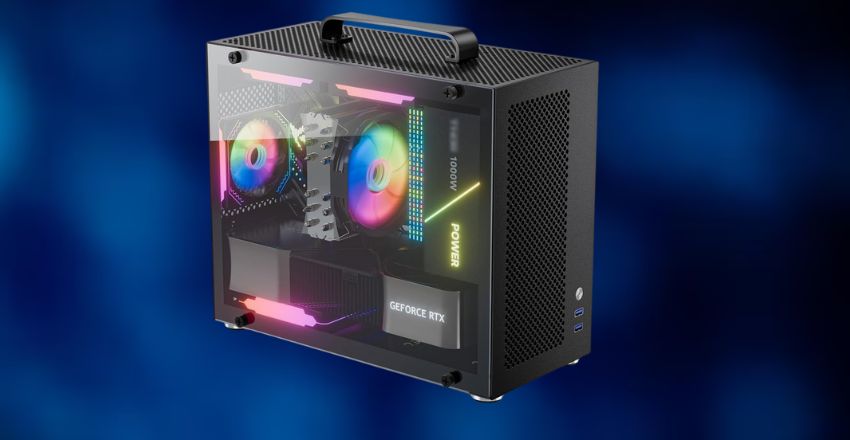
A well‑designed ATX case includes multiple fan mounting points—front, top, rear, and sometimes side vents. Mesh front panels or steel mesh help with air intake, while filters reduce dust buildup. Some models allow liquid cooling radiators, for example, up to 240mm or even 360mm at front/top positions. Pre‑installed fans often include 1x 140mm LED or several 120mm units. With well‑planned airflow, even compact ATX cases manage high thermal loads from CPUs and GPUs.
Build Quality & Materials
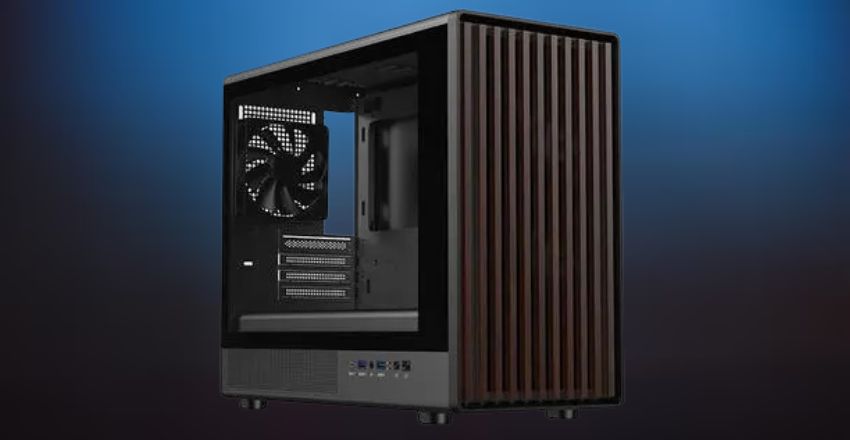
Micro ATX case materials usually involve steel such as SPCC or SECC, with a thickness of around 0.5‑0.6 mm for durability. Side panels may be made of tempered glass or acrylic for aesthetic appeal and enhanced visibility. Frames often have powder coating to prevent corrosion.
The internal structure features multiple 2.5-inch SSD mounts and 3.5-inch HDD slots. Cable routing options—such as tie points and rear channels—help maintain clean builds. Removable dust filters, located under the PSU and front panels, are standard in high-quality ATX cases.
Compatibility & Hardware Support
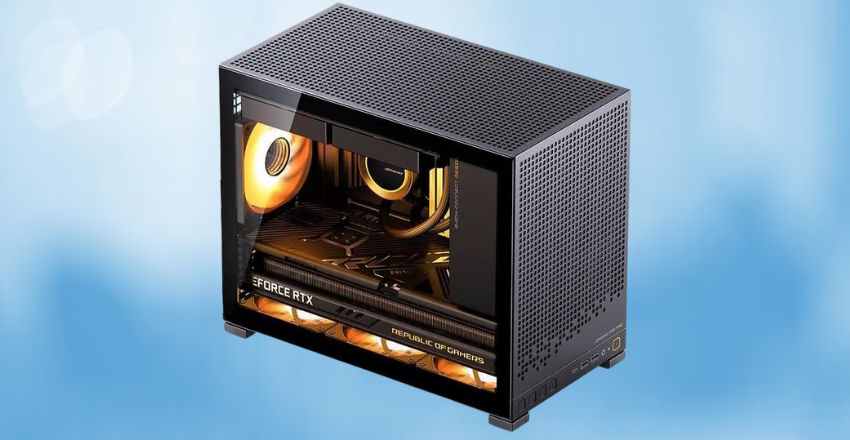
ATX cases support micro ATX and sometimes Mini‑ITX motherboards. Full-size GPUs can fit in many cases, which allows lengths of up to ~330 to 420 mm, depending on the brand and design. The clearance height for CPU coolers often ranges from 150 to 175 mm.
PSU length is usually standard ATX size, but deeper GPUs may limit PSU options. Some cases include support for both air and liquid cooling. Ensure case specifications are checked for GPU, cooler, and PSU compatibility before making a purchase.
Key Features
- Mesh front panels or large vents for improved intake airflow.
- Support for multiple fan sizes: front/top/rear (120‑140 mm) mounts.
- Tempered glass or clear acrylic side window panels for viewing the internals.
- Pre-installed LED or RGB fans are available in many models for added lighting effects.
- Dust filters are located on the front, top, or bottom to keep components clean.
- Modular drive cages or removable mounting brackets provide flexible storage options.
Storage & Expansion
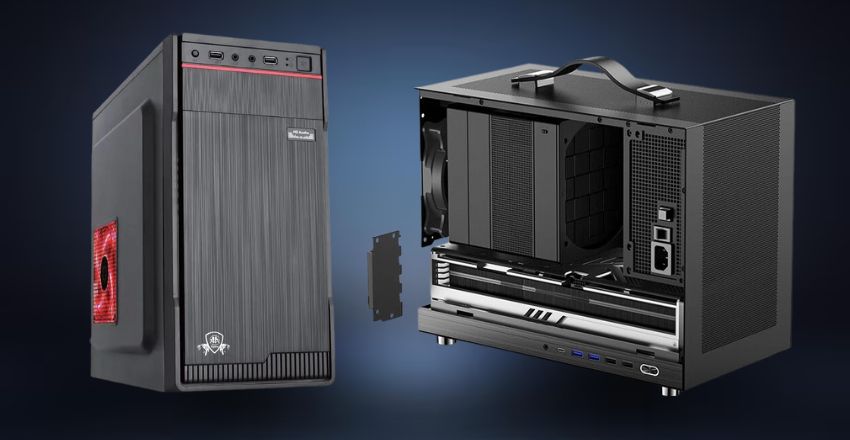
- Multiple 2.5‑inch SSD bays, often 2‑3 mounts included.
- 3.5‑inch HDD slots available, sometimes 1‑2, depending on case.
- Typically, four PCI-E expansion slots are available for GPUs, NICs, or other cards.
- ATX power supplies are supported in most cases, with PSU length constrained by the GPU.
- Front I/O panels typically include USB 3.0, USB 2.0, and audio jacks, often with a USB-C port.
- Some external 5.25‑inch drive bays are available in specialty micro ATX cases or slim front designs.
Pricing & Value Considerations
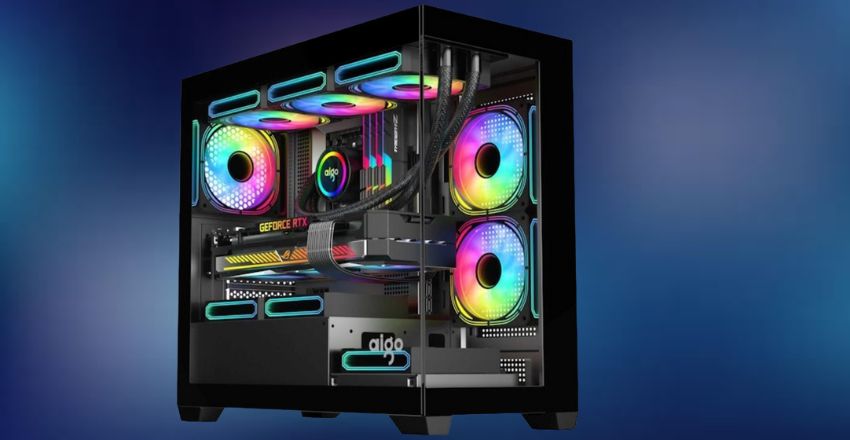
ATX cases vary in price based on materials, features, and included cooling. Entry-level models using simpler metal panels and minimal fans may start at budget ranges (e.g., equivalent to $40–60).
Mid-range versions with tempered glass, more fans, RGB lighting, and improved airflow cost slightly higher. Premium micro ATX cases with advanced cable management, ample GPU clearance, and radiator support typically range from $ 100 to $200+. Buyers must weigh build quality, hardware compatibility, cooling, and aesthetics to get good value.
One of the biggest advantages of choosing a micro ATX case is its flexibility for different types of builds. Whether you’re assembling a budget-friendly gaming PC, a compact office workstation, or a creator-focused setup, the smaller footprint allows for efficient use of space without limiting upgrade options.
Modern micro ATX cases are designed to maximize internal layout, making cable management easier while still supporting high-performance components, which makes them a practical choice for builders seeking both efficiency and long-term scalability.
Conclusion
The micro ATX case offers a perfect blend of compact size, comprehensive hardware support, and optimal thermal performance. With options for large GPUs, standard ATX PSUs, and multiple storage drives, it suits gamers, professionals, and budget builders alike.
Features like mesh panels, RGB fans, and tempered glass offer both function and style. Whether building a powerful gaming rig or a sleek workstation, a well-designed micro ATX case provides excellent value, space-saving design, and strong performance potential for modern setups.
Want to know about Charging Specs Decoded: C-Rate, Charger Output and Real Charge Times Check out our Tech category.
FAQs
A Micro case is designed to house Micro ATX and Mini-ITX motherboards. It offers a compact, space-saving option ideal for gaming, home, or office builds.
Many ATX cases support full-sized graphics cards, typically ranging from 330mm to 420mm in length, depending on the case design and available internal space.
Most Micro cases come with mesh panels and multiple fan mounts, offering solid airflow and cooling, even in smaller enclosures, for both CPUs and GPUs.
ATX cases can support powerful components, such as high-end GPUs, large coolers, and multiple drives, making them a strong choice for compact gaming PCs.
ATX cases typically support standard ATX power supplies; however, the PSU length may be limited if a large GPU is installed, so checking clearance is essential.