

Introduction
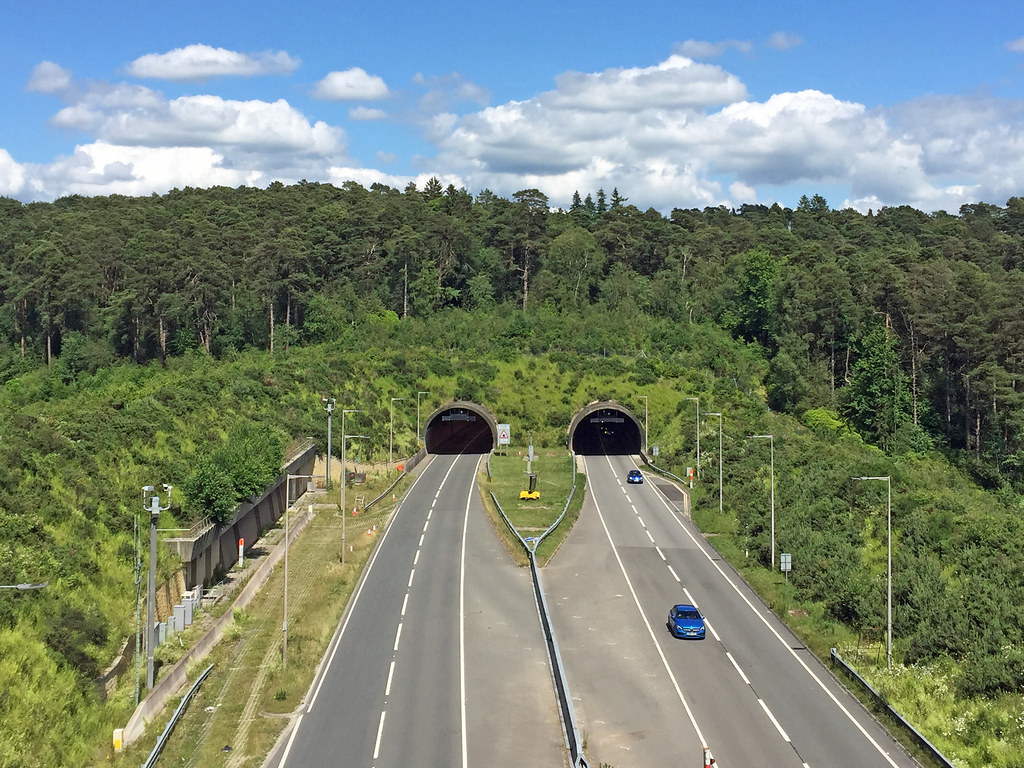
The United Kingdom boasts an extensive and intricate road network connecting cities, towns, and scenic countryside across the nation. Among the many routes, the longest road in the UK, the A1, stretches over a vast distance, weaving its way through significant landmarks and diverse landscapes. In this article, we will explore the fascinating details of this iconic road, its history, importance, and the remarkable sights it connects.
| Category | Details |
|---|---|
| Road Name | Potentially the A1, which runs from London to Edinburgh |
| Total Length | 410 miles (660 km) |
| Route | Connects London to Edinburgh, passing through several major cities and regions in England and Scotland |
| Designation | Classified as a trunk road and part of the strategic road network in the UK |
| History | One of the oldest major roads in the UK, with origins dating back to ancient times |
| Interesting Facts | Runs through diverse landscapes, from urban centers to rural countryside |
Introduction to the Longest Road in the UK
The A1, commonly referred to as Great North Road, holds the title of the longest road in the UK, covering a distance of 410 miles (660 km). It runs from London to Edinburgh, cutting through various counties, regions, and notable towns. As one of the major arteries of the UK road system, it is a vital route for travel, commerce, and trade, linking England and Scotland through historical and modern landscapes.
The Route of the A1
The A1 road begins at St. Paul’s in London, winding its way north through major cities like Peterborough, Doncaster, York, and Newcastle upon Tyne before finally reaching the Scottish capital, Edinburgh. Along its route, the A1 passes through both urban hubs and rural countryside, offering travelers a mix of scenic beauty and bustling metropolitan areas.
Key Cities Along the A1
- London: The starting point of the A1, the capital city, is a major commercial and cultural hub.
- Peterborough: Known for its historical cathedral and vibrant city life.
- Doncaster: A significant stop boasting a rich history and connections to the rail industry.
- York: A city with a fascinating Roman and Viking history, home to the iconic York Minster.
- Newcastle upon Tyne: A bustling northern city famous for its industrial heritage and vibrant nightlife.
- Edinburgh: The road’s endpoint, Scotland’s capital, is renowned for its stunning architecture and cultural landmarks.
The A1: The Longest Road in the UK and Its Importance
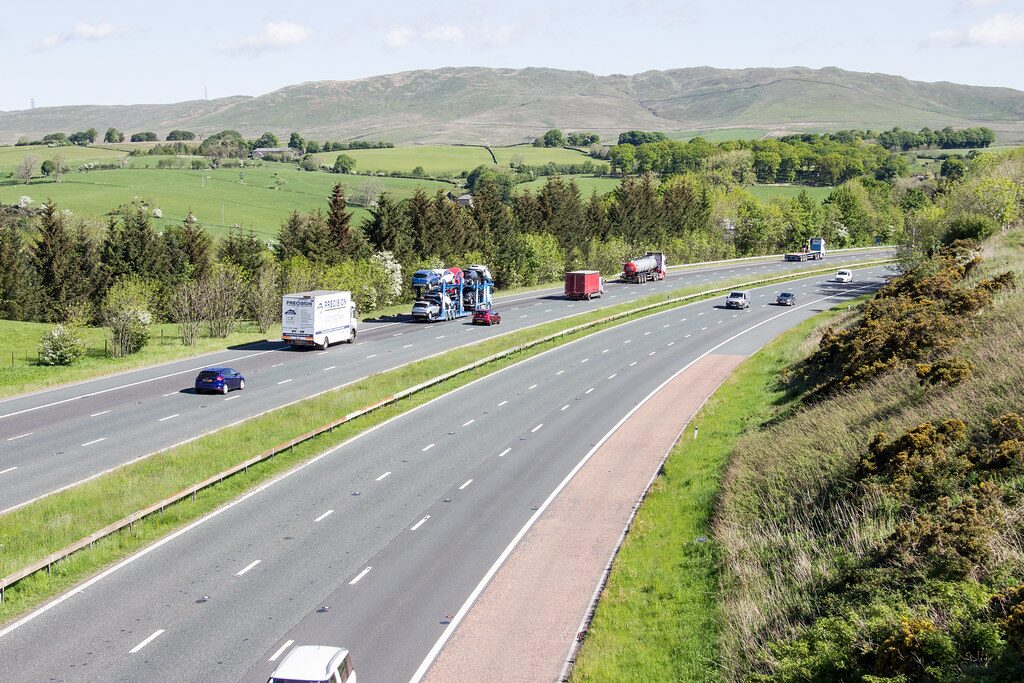
One of the most significant elements of the United Kingdom’s road network is the A1, commonly referred to as the Great North Road, which holds the title of the longest numbered road in the UK. Stretching roughly 410 miles (660 km) from London in the south to Edinburgh in Scotland’s capital, the A1 passes through major cities such as Peterborough, Doncaster, York, Newcastle upon Tyne, and many others, connecting diverse landscapes, historical regions, and economic centres along its route. As a principal north–south trunk road, it not only supports everyday travel and commerce but also reflects the development of Britain’s transport infrastructure over time, evolving from ancient routes into a modern arterial highway
Historical Significance of the A1
The A1 has roots tracing back to the Roman era when it was part of Ermine Street, a major Roman road connecting London with York. Over time, it evolved into the Great North Road, a vital coaching route used by mail and stagecoaches during the 18th and 19th centuries. With the advent of modern motor vehicles, the road was expanded, upgraded, and renamed as the A1, retaining its importance as a primary north-south transport corridor.
Upgrades and Modernization of the A1
Over the years, the A1 has undergone numerous upgrades and improvements to enhance its safety, capacity, and efficiency. Several stretches of the road, particularly between London and Newcastle, have been dual-carriageways or even motorways to accommodate the growing volume of traffic.
- A1(M): Significant portions of the A1, especially near cities like Leeds, have been converted into motorways, known as A1(M). These stretches offer faster travel and improved infrastructure for heavy goods vehicles and commuters.
- Bypasses: Many towns along the route have been bypassed to reduce congestion and improve journey times, with modern bypasses allowing smoother traffic flow around major urban centers.
The Sights and Landmarks Along the A1
One of the most compelling aspects of the A1 is the variety of landmarks and sights along the way. From ancient historical sites to modern attractions, travelers can experience a range of cultural and natural highlights.
Must-See Landmarks Along the A1
- Hatfield House: This Jacobean house is steeped in history and is located near Welwyn Garden City.
- Angel of the North: Standing proudly near Gateshead, this modern sculpture is one of the UK’s most famous landmarks.
- York Minster: Situated in York, this Gothic cathedral is a must-visit for anyone traveling along the A1.
- Alnwick Castle: A picturesque castle in Northumberland known for its use as a filming location in Harry Potter movies.
- Holy Island (Lindisfarne): Just off the A1 in Northumberland, the island offers ancient ruins and stunning coastal views.
The Role of the A1 in Commerce and Transport
The A1 serves as a crucial route for commerce and logistics, facilitating the movement of goods between London and Scotland. It is heavily used by heavy goods vehicles (HGVs), particularly on its motorway sections, enabling efficient trade across the country. Additionally, the road is vital for commuters and tourism, contributing significantly to the UK’s economy by providing a lifeline for business and travel.
Traffic and Challenges
Despite its upgrades, the A1 can still be subject to heavy traffic, particularly around urban centers and during peak travel times. Some stretches, particularly the more rural sections, remain single-carriageways, leading to slower speeds and congestion in certain areas. Weather conditions, especially in the north of England and Scotland, can also pose challenges for drivers, with snow and rain affecting road conditions.
Future of the A1
Efforts to continue upgrading the A1 are ongoing, with future projects aimed at improving sections that are still single-carriageways and making the entire route more efficient for modern transportation needs. Environmental concerns, including reducing carbon emissions from heavy traffic, are also playing a role in shaping future developments along the route.
Conclusion
The A1 stands as a testament to the evolution of transport in the UK, from its Roman roots to its modern-day significance. As the longest road in the UK, it connects key cities, fosters economic growth, and offers travelers a journey through the heart of the country’s history and culture. Whether you are driving from London to Edinburgh for business or leisure, the A1 provides an unforgettable experience through diverse landscapes, rich history, and vibrant cities.
Apart from that, if you want to know about “Hollie Doyle’s Net Worth” then please visit our “Entertainment” Category.
FAQs
The longest road in the UK is the A1, stretching approximately 410 miles from London to Edinburgh.
The A1 passes through major cities like Peterborough, Doncaster, York, Newcastle upon Tyne, and Edinburgh.
Portions of the A1 have been upgraded to motorway status, known as A1(M), particularly between London and Leeds.
Landmarks along the A1 include York Minster, the Angel of the North, Alnwick Castle, and Hatfield House.
The A1 is 410 miles (660 km) long, making it the longest road in the UK.






.)