

Introduction
When securing your financial future, finding the best savings bonds is crucial. Savings bonds offer a safe and reliable way to grow your money, providing a guaranteed return. Whether saving for education, a major purchase, or simply building a nest egg, choosing the right savings bonds can make a big difference. This article will explore some of the best savings bonds available today, highlighting their features, benefits, and how they can fit into your financial plan. By understanding the options and selecting the best savings bonds, you can ensure your investments are secure and rewarding.
What Are Savings Bonds?
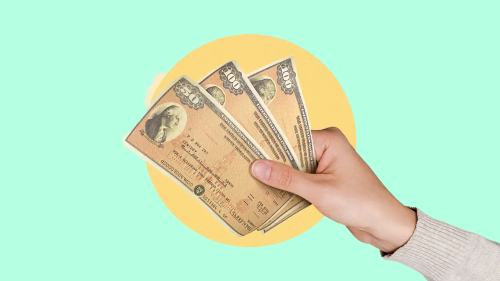
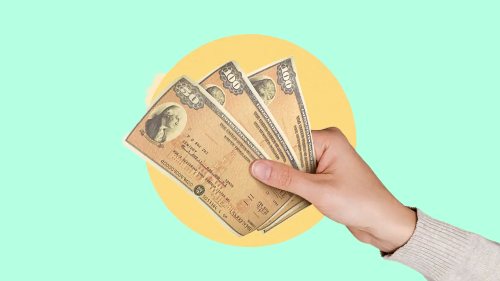
Savings bonds are debt securities issued by the U.S. government to help fund its operations. They are a low-risk investment, making them an attractive option for conservative investors. The best savings bonds provide a safe return on your investment with minimal risk. You purchase them at a discount, and they mature to their total face value, paying interest over time. They offer a secure way to grow your savings while supporting government projects.
Types of Savings Bonds
Series EE Bonds: A Reliable Choice
Series EE bonds are a stable option for those who prefer a guaranteed return. You buy them at half their face value, and they reach their full face value in over 20 years. The best savings bonds in this category offer a steady, predictable return, making them ideal for long-term savings. They appeal to those who want a safe investment with assured growth.
Series I Bonds: Inflation Protection
Series I bonds are designed to help protect your investment from inflation. They offer a combination of a fixed interest rate and an inflation-adjusted rate. This makes them one of the best savings bonds for preserving your purchasing power over time. If you’re concerned about inflation eroding the value of your money, Series I bonds are a smart choice as they adjust to reflect the cost of living.
What Makes the Best Savings Bonds a Smart Choice for Savers
When evaluating the best savings bonds, it’s essential to understand how they balance safety, returns, and accessibility compared to other investment options. Savings bonds are government-backed financial instruments, which makes them low-risk and attractive for individuals who want to preserve capital while earning interest over time. Unlike market-dependent investments, they offer predictable interest rates that accrue periodically, making it easier for savers to plan long-term financial goals such as education funding, retirement, or emergency funds. Additionally, many savings bonds have favorable tax treatment on interest, especially when used for qualifying expenses, which can further enhance their appeal. These fundamental qualities—security, steady growth, and potential tax advantages—are what typically distinguish the best savings bonds in personal finance strategies.
How to Purchase Savings Bonds
Purchasing savings bonds is simple. You can buy them online through the TreasuryDirect website or at some financial institutions. The best savings bonds are those that match your financial strategy and goals. When buying, consider factors like interest rates, maturity periods, and tax benefits to find the best savings bonds. This straightforward process ensures you can invest confidently.
Benefits of Savings Bonds
Savings bonds offer several benefits, making them a favored choice for many investors. They are low-risk, easy to purchase, and provide guaranteed returns. The best savings bonds offer these advantages while backed by the government, adding an extra layer of security. The interest earned is also exempt from state and local taxes, enhancing their long-term investment appeal.

Tax Advantages of Savings Bonds
One of the critical advantages of savings bonds is their tax benefits. Interest earned is exempt from state and local taxes, which can lead to substantial savings over time. Furthermore, if you use the bonds for qualified education expenses, the interest may also be exempt from federal income tax. These tax benefits make the best savings bonds attractive for tax-conscious investors.
Considerations When Choosing Savings Bonds
When selecting the best savings bonds, consider your financial objectives, risk tolerance, and investment horizon. Series EE bonds are ideal for those seeking a secure, predictable return, while Series I bonds offer protection against inflation. You can choose the best savings bonds that fit your needs and financial goals by evaluating these factors.
Alternatives to Savings Bonds
While savings bonds are a safe investment, they might not be the best choice for everyone. Consider alternatives like certificates of deposit (CDs), money market accounts, or mutual funds if you want higher returns or more flexibility. The best savings bonds for your situation will depend on how they compare to these alternatives regarding risk, return, and liquidity.
Purchase Limits and Eligibility
The best savings bonds come with specific purchase limits and eligibility criteria. The maximum purchase limit for Series EE and Series I bonds is $10,000 per person per calendar year for electronic bonds through TreasuryDirect. If you’re buying paper bonds, you can use your tax refund to purchase up to $5,000 in paper bonds per year. Understanding these limits helps you plan your investment strategy effectively.
Interest Rates and How They Are Calculated
Interest rates for savings bonds are set based on specific formulas. Series EE bonds offer a fixed interest rate, while Series I bonds have a composite rate that includes a fixed rate plus an inflation rate. The fixed rate remains constant throughout the bond’s life, while the inflation rate adjusts semiannually based on changes in the Consumer Price Index. Knowing how these rates are calculated can help you forecast your investment’s growth.
Redemption and Cashing Out
The best savings bonds can be redeemed after a minimum holding period, typically 12 months. However, if you cash out before five years, you forfeit the last three months of interest. Series EE bonds earn interest for up to 30 years, while Series I bonds have a maximum term of 30 years. Understanding the redemption rules helps you plan when and how to access your funds.
Conclusion
In conclusion, the best savings bonds provide a reliable and secure way to grow your money over time. Whether you opt for Series EE or Series I bonds, each offers unique benefits that cater to different financial needs. By understanding the features of these bonds and how they fit into your financial strategy, you can make an informed decision and invest wisely for a stable financial future.
If you want to read an interesting article about it, explore our “Real Estate” category.
FAQs
Series EE and Series I bonds are considered the best savings for low-risk investments due to their government backing and guaranteed.
Series EE bonds offer a fixed interest rate, while Series I bonds provide a fixed rate plus an inflation-adjusted rate.
Using your tax refund, you can invest up to $10,000 in electronic Series EE and Series I bonds per person per year and up to $5,000 in paper bonds.
Savings bonds are low-risk financial instruments issued by governments to help individuals save money while earning interest over time.
Yes, savings bonds are considered very safe because they are typically backed by the government.