


Introduction
A laptop for kids is an essential tool for modern learning and play. When choosing the right laptop for kids, consider important factors like specifications, including processor and RAM, and price and storage options. Additionally, look for features like display quality, battery life, and models tailored to young users.
Don’t forDon’taming capabilities, durable hardware, and appealing shapes and colors to create an engaging and functional experience for your child.
Laptop For Kids
The ideal laptop for kids should blend essential qualities like specifications, price, and storage. Choosing a model with a clear display and strong battery life is important to support learning. Durability is key, along with gaming capabilities, for added enjoyment. By focusing on these qualities, you can find a laptop for kids that enhances education and fun!
| Basics | Specifications |
| Specifications | Intel Core i3 (≥4GB RAM) |
| Price | $200 ≤ Price ≤ $500 |
| Storage | 64GB ≤ SSD Storage ≤ 256GB |
| Display | 11″ ≤ Size ≤ 14″, Resolution: ≥ 1366×768 |
| Battery Life | ≥ 8 hours |
| Models | Chromebooks, Windows |
| Gaming | Supports light gaming; ≥ Intel UHD 600 |
| Design | Lightweight, spill-resistant |
| Colors | Bright colors, customizable |
| Durability | Rugged, reinforced structures |
Key Features to Look For in a Laptop for Kids
When choosing a laptop for kids, there are several features that can make the device both practical and durable for everyday use. A kid-friendly laptop should offer a sturdy build and reliable battery life to withstand daily wear and tear while supporting long hours of learning or entertainment without frequent charging. Screen size and resolution also matter, as a comfortable display helps reduce eye strain during study sessions or video calls. Performance capabilities, such as adequate memory and storage, ensure kids can run educational apps and school software smoothly, while intuitive operating systems make it easier for young users to navigate. Additionally, built-in parental controls and robust security features help families manage usage and protect personal information, making such laptops ideal companions for both remote learning and creative exploration.
Specifications
When choosing a laptop for kids, consider the specifications that suit their needs. Look for a lightweight model with a decent processor, preferably an Intel Core i3 or equivalent. Aim for at least 4GB of RAM to ensure smooth multitasking, essential for running educational apps and games.
A good operating system like Windows or Chrome OS will also enhance usability.
Price
The price of a laptop for kids can vary significantly based on features and brand. Budget-friendly options typically range from $200 to $500, making them accessible for most families. Higher-end models may exceed $500 but often have enhanced durability and features suitable for older kids or more intensive use.
Storage
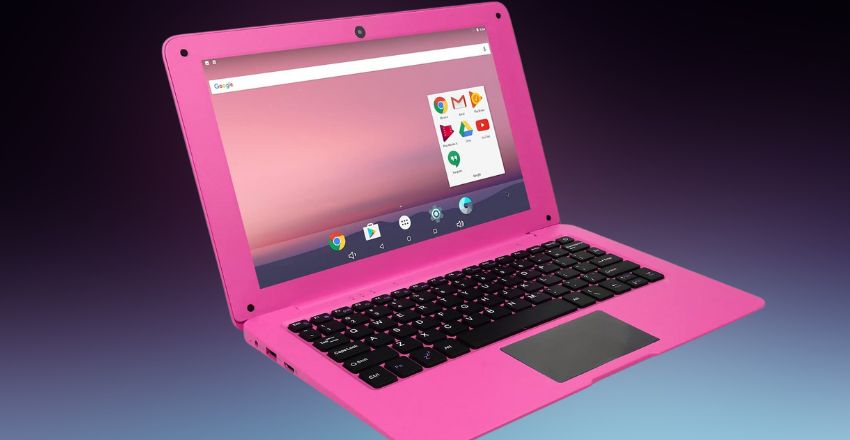
Storage is a critical factor in kids’ choice of laptop. Most models come with either HDD or SSD storage options. SSDs are faster and more reliable, typically starting at 128GB. For basic tasks like web browsing, educational games, and document editing, 64GB to 128GB of storage should suffice.
Display
Display quality is essential for kids’ laptops, affecting usability and comfort. Look for a screen size between 11 and 14 inches, which strikes a balance between portability and usability.
A resolution of at least 1366×768 pixels is recommended for clarity. Consider models with higher-resolution screens if your child enjoys watching videos or engaging in interactive learning.
Processor
When choosing a laptop for kids, the processor is crucial for performance. Look for at least an Intel Core i3 or equivalent, as this ensures smooth multitasking and efficient handling of educational apps. An Intel Celeron may suffice for younger children, while older kids might benefit from an Intel Core i5 for more demanding tasks like gaming and multimedia projects.
Battery Life
Battery life is a key consideration for a laptop for kids. A long-lasting battery ensures the device can be used throughout the school day without frequent recharging. Aim for a battery life of at least 8 hours, allowing your child to use the laptop for classes, homework, and entertainment without interruption.
Models
There are numerous models available when it comes to laptops for kids. Popular choices include Chromebooks, which are user-friendly and cost-effective, and Windows laptops, which offer greater versatility. Brands like HP, Dell, Lenovo, and Acer have dedicated models designed specifically for children, focusing on durability and ease of use.
Gaming
Finding a laptop that can handle graphics is important for kids interested in gaming. While many basic models support light gaming, dedicated gaming laptops have advanced graphics cards and higher RAM. These laptops usually range from $600 to $1,200.
For casual gaming, ensure the laptop has at least an Intel UHD Graphics 600 or equivalent to support popular children’s games.
Hardware and Designs
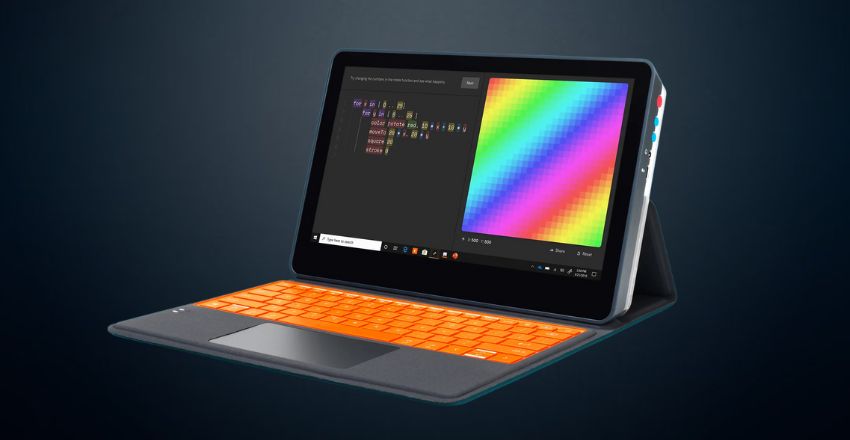
- The hardware and design of a laptop for kids should be robust yet attractive.
- Look for models with spill-resistant keyboards and reinforced hinges to withstand rough handling.
- A convertible design, such as a 2-in-1 laptop, adds versatility, allowing kids to use it as a tablet for drawing or playing.
- Choose vibrant colors and fun designs to make learning more engaging.
Shapes and Colors
Laptops for kids often come in various shapes and colors, appealing to different tastes. Preference, from sleek, compact designs to bulkier models. Bright colors like blue, red, or green can make a laptop more inviting for kids. Choosing a laptop with customizable skins or cases can add a personal touch.
Durability
Durability is paramount when selecting a laptop for kids. Kids can be rough on their belongings, so look for laptops with rigorous testing for drops and spills.
Models designed for education often feature rugged cases and reinforced screens, making them ideal for younger users. A warranty or protection plan can also provide peace of mind.
Importance of Parental Control and Safe Usage in Kids’ Laptops
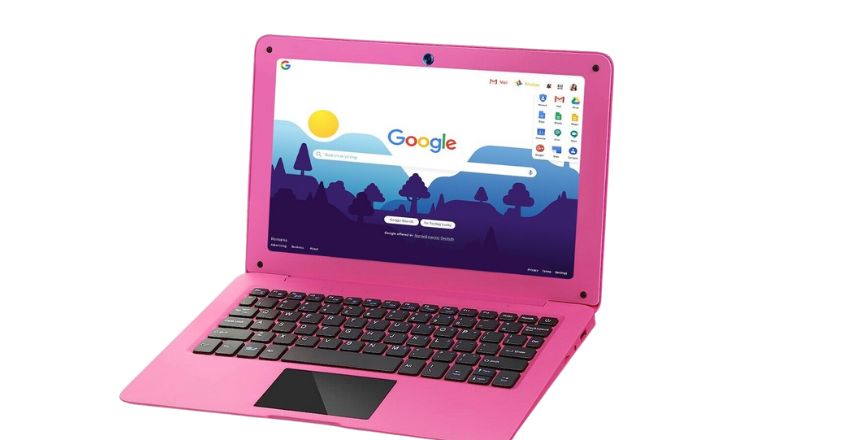
Another important factor when selecting a laptop for kids is ensuring safe and responsible usage through parental control features. Modern laptops often include built-in tools that allow parents to monitor screen time, filter inappropriate content, and manage app usage according to the child’s age.
These controls help create a balanced digital environment where children can focus on educational activities without unnecessary distractions. In addition, encouraging proper usage habits such as taking regular breaks and maintaining correct posture supports both physical well-being and productivity. By combining technology with supervision, parents can make laptops a safe and effective learning tool for children.
Conclusion
In conclusion, the right laptop for kids enhances education and entertainment. Focusing on key factors like specifications, price, storage, and display quality ensures that the device meets your child’s needs.
Additionally, important features such as battery life, gaming capabilities, and durability should be considered should be considered. With the right laptop for kids, you provide a valuable resource that fosters learning, creativity, and fun for years.
Apart from that if you want to know about “Ergonomic Keyboards: A Smart Choice for Gamers and Professionals, Types, Features, Pricing, and Much More” then please visit our “Tech” Category.
FAQs
When choosing a laptop for kids, look for an Intel Core i3 processor and at least 4GB of RAM to ensure smooth educational tasks and app performance.
Prices for laptops for kids typically range from $200 to $500, depending on features and brand.
Aim for at least 64GB of SSD storage, but 128GB or more is preferable for additional multimedia projects and applications.
A display size between 11 to 14 inches is ideal, with a resolution of at least 1366×768 pixels for clarity.
Children can start using a laptop for learning purposes around early school age, depending on their educational needs and level of supervision.