

Have you ever walked into a room and suddenly felt calmer—or more alert—without knowing why? Maybe it was the soft wall colour or the feel of a cosy cushion. You didn’t overthink it. You just felt it. That’s the quiet power of texture and colour.
Our surroundings shape how we feel, think, and behave. It’s not just about looks—it’s about creating spaces that support our well-being. As more of us live, work, and rest at home, attention to interior detail has grown. Now, thoughtful design isn’t a luxury. It’s a way to feel better, think clearer, and unwind in a fast-moving world.
In this blog, we will share how texture and colour influence mood at home—and why thoughtful choices in your space can shift the way you live and feel every day.
Why Texture Feels Like a Conversation
Let’s start with texture. It doesn’t shout for attention, but it speaks clearly. It’s that sense of comfort when your hand grazes a knit throw or the subtle resistance of a linen seat cushion. Texture builds character into a room. It adds quiet complexity, even when the colour palette is simple.
Rough surfaces like jute rugs or exposed brick bring an organic, earthy feel. They can make a space feel grounded and natural. Smooth textures—like polished metal or high-gloss paint—tend to feel cooler and more modern. Neither is better. It depends on what you want the room to say.
When choosing fabrics and finishes, you’re setting a tone. Do you want softness and warmth? Think of velvet, wool, or thick knits. Want energy and structure? Try leather, crisp cotton, or sleek surfaces.
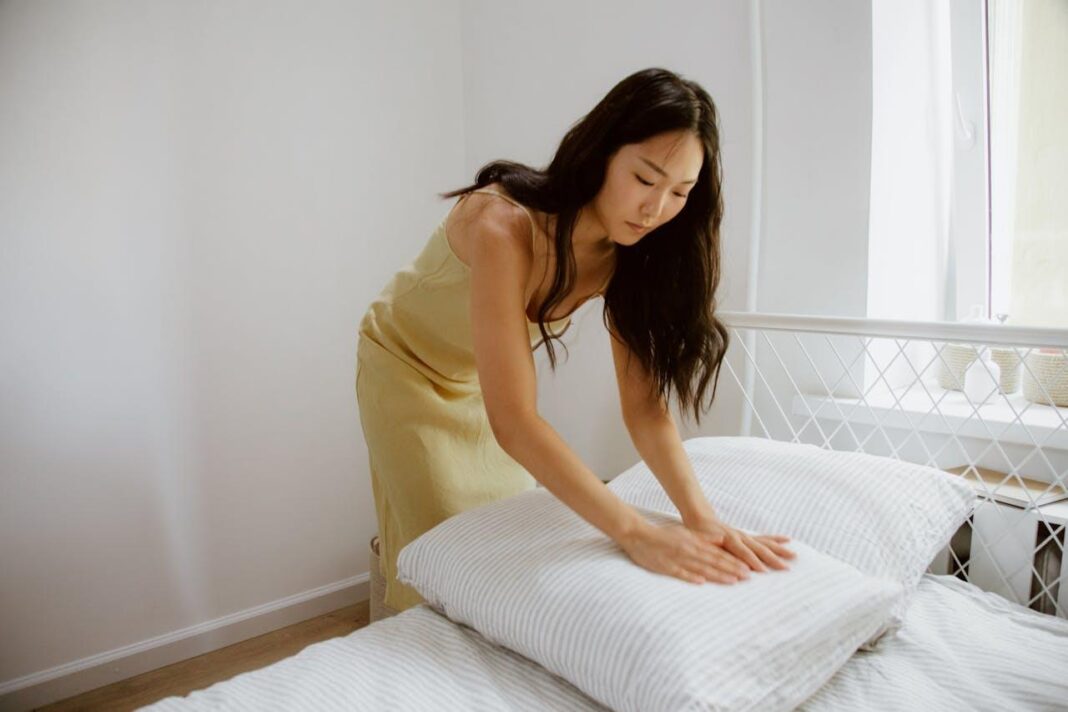
This is especially true in the bedroom, where comfort is key. Soft materials support rest, while cooler ones can help you stay alert. This is where duvet covers quietly steal the show. A cotton cover feels fresh and breezy. A flannel one brings warmth and weight. The material you wrap yourself in each night is more than just functional—it sets the mood for your most personal space.
And with more people treating the bedroom as a retreat, small updates like this have become a quiet form of self-care. It’s not about trends. It’s about texture that tells your nervous system: you’re safe here.
Colour: The Mood Setter That Speaks First
If texture whispers, colour speaks first. Before your feet touch the floor, your eyes are already taking in the tone of the space. Blue walls, beige curtains, emerald-green throws—these choices say something before you do.
Colour psychology isn’t new, but it’s gained more attention as people search for ways to feel better without overhauling their entire lives. It turns out, a shift in paint colour can be just as powerful as a morning routine.
Warm colours—reds, oranges, and yellows—bring energy. They’re social and stimulating. They can lift a dull space but overwhelm if overused. Cool colours—blues, greens, and greys—tend to soothe. They’re often found in bedrooms and bathrooms where calm is the goal.
Neutrals offer flexibility. Whites and beiges create a sense of openness, while darker neutrals add depth and elegance. What’s fascinating is how personal colour can be. A yellow room might energise one person but annoy another. There’s no formula, only a balance between intention and feeling.
This is why trends can be risky. That dark forest green might look stunning on a home décor account, but will it make you feel heavy after a long workday? Choosing the right colour is less about Pinterest and more about paying attention to how you feel in a space.
The Post-Pandemic Design Shift
The global shift to home-centred living changed everything. People wanted spaces that worked for Zoom calls by day and Netflix by night. Suddenly, the kitchen had to double as an office, the living room as a gym.
In this new reality, design became about feeling. Interiors needed to multitask emotionally, too. Comfort, productivity, and calm had to exist in the same four walls. So people began editing their homes with intention. That scratchy blanket? Gone. That too-bright wall? Repainted. The goal became emotional flow—not just visual impact.
Brands caught on. Retailers saw demand rise for textured pieces, calming colours, and materials that promised both beauty and function. Interior designers started talking more like wellness coaches than trend forecasters. And ordinary people began realising that changing how your space feels can, in turn, change how you feel.
This awareness isn’t just about aesthetic. It reflects something deeper—a cultural movement toward mindful living. As stress levels rise and distractions increase, people crave simplicity, peace, and authenticity. And that often begins at home.
How to Use Texture and Colour With Intention
You don’t need a full makeover to shift your space. Start small. Swap out synthetic throws for natural fibres. Layer in one new texture, like a boucle cushion or a rattan light fixture. Notice how it changes your experience of the room.
Play with colour in pieces you can change easily—like blankets, artwork, or curtains. If a wall feels too bold, try the same colour in a smaller accent. Let your choices evolve with the seasons or your mood. A soft coral in spring might turn into a warm ochre by autumn.
In shared spaces, balance becomes key. You might love crisp whites, but your partner might feel calmer surrounded by navy tones. Look for ways to blend both through shared textures or neutral anchor pieces.
Above all, trust your instinct. If you feel better in a space, you’ve done it right. Texture and colour aren’t just design choices—they’re tools for mental health and daily comfort.
Feel First, Style Second
We often think of decorating as an afterthought. Something you do once the “real” work is done. But what if the way your home looks and feels is part of the real work? What if it’s not just about looking put-together—but about feeling more like yourself?
When you walk into your space, it should feel like a relief. Like a soft exhale. Texture helps your body feel supported. Colour helps your mind feel grounded. Together, they shape your experience, one quiet detail at a time.
So the next time you shop for a new cushion or think about repainting a wall, pause for a second. Ask yourself, “How do I want to feel in here?”
That’s the question that turns a house into a sanctuary. And it’s the first step toward living with more comfort, more clarity, and a whole lot more calm.
Apart from that, if you want to know more about How to Identify Termite and Ant Infestations then visit our Home Improvement category.