

Who Are the Women Against State Pension Inequality (WASPI)?
The Women Against State Pension Inequality (WASPI) campaign represents hundreds of thousands of women across the UK who were directly impacted by changes to the state pension age. These changes were introduced in the 1990s and 2000s, aiming to align the pension age for women with that of men.
While equalizing pension age was seen as a step toward gender equality, the government’s approach lacked proper notice and support for those affected. Many women born in the 1950s discovered late in their careers that they would need to work years longer than expected, disrupting their financial plans, retirement savings, and overall lifestyle.
Timeline and Key Facts: Women Against State Pension Inequality (WASPI)
| Year/Category | Key Fact |
|---|---|
| 1995 | The act raises the women’s pension age from 60 to 65. |
| 2007 | The age is set to rise further to 66. |
| 2010 | Women begin noticing pension age changes. |
| 2011 | Reforms speed up pension age increase. |
| 2015 | WASPI campaign launched. |
| 2016 | First petitions to Parliament. |
| 2017 | The campaign is still active and pushing. |
| 2018 | Major protests outside Parliament. |
| 2019 | High Court rules against WASPI. |
| 2020 | Court of Appeal upholds ruling. |
| 2021 | Ombudsman finds maladministration. |
| 2022 | MPs back calls for compensation. |
| 2023 | Debate grows on payouts. |
| 2024 | Ombudsman suggests lower compensation. |
| 2025 | Legal actions against the government begin. |
| Eligibility | Women born between 1950 and 1960 are the most affected. |
| Impact | Many face financial hardship. |
| Compensation | Proposals £10k–£20k, still disputed. |
| Legal | The campaign remains active and ongoing. |
| Support | Strong media and MP backing. |
| Symbolism | Fight for fairness and equality. |
| Retirement | Courts say it is lawful, but poor communication. |
| Jobs | Many are forced to delay retirement. |
| Health | Older women struggle in the job market. |
| Future | Stress and hardship affect well-being. |
Why the WASPI Campaign Started?
The WASPI movement began when women realized that their state pension age had been delayed without sufficient warning. In some cases, women received official notification only a few years before their expected retirement date.
This left many without enough time to make alternative financial arrangements. As a result, thousands of women faced hardship, unemployment in later life, or the need to take on low-paid work to make ends meet. The campaign was founded to highlight these injustices and demand fair treatment.
Key Issues Highlighted by Women Against State Pension Inequality
The WASPI campaign has consistently emphasized several central issues:
- Lack of proper communication: Women argue they were not given adequate notice about pension age increases.
- Financial hardship: Many women born in the 1950s faced unexpected years without pension income.
- Disproportionate impact: The changes particularly harmed women with lower savings, health issues, or caring responsibilities.
- Demand for compensation: WASPI does not oppose equalizing pension ages, but insists women should be compensated for poor communication.
Legal Battles and Court Cases
Over the years, legal challenges have played a significant role in the WASPI campaign. Women took their cases to the High Court and later to the Court of Appeal, arguing that the government had acted unfairly in implementing the pension changes.
While the courts acknowledged the hardships faced by these women, the legal rulings did not find the government’s actions to be unlawful. This was a significant setback for WASPI, but the campaign persisted through political channels, petitions, and public support.
The Role of the Parliamentary and Health Service Ombudsman (PHSO)
The Parliamentary and Health Service Ombudsman (PHSO) has investigated the matter, concluding that there was indeed maladministration in how the government handled communications about pension age.
This ruling was a breakthrough for WASPI women, as it acknowledged official failures and opened the door for compensation recommendations. However, the process has been slow, with compensation amounts and eligibility still under debate.
Compensation Claims: What Are WASPI Women Asking For?
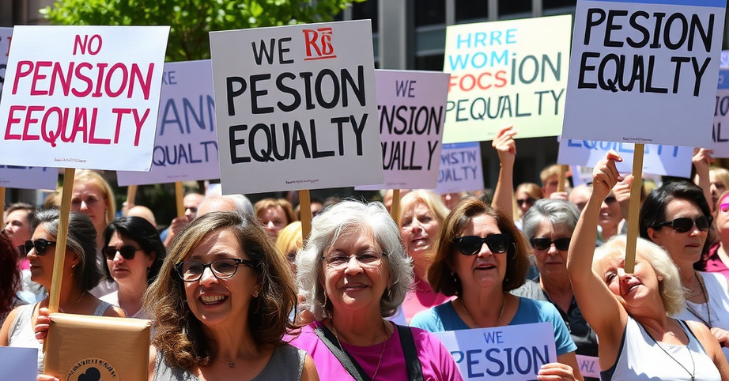
The compensation debate is at the heart of the WASPI movement. Women argue that due to poor communication, they are entitled to financial compensation.
While campaigners have suggested varying amounts, many proposals fall within a range of £10,000 to £20,000 per affected woman. The Ombudsman, however, has recommended lower levels of compensation, sparking frustration among WASPI members who feel that this does not accurately reflect the scale of the financial and emotional hardship they have endured.
The Financial and Social Impact on Women
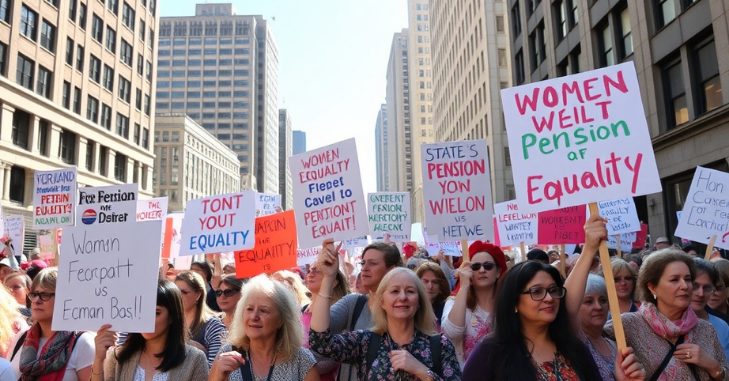
The impact of pension age changes has been more than financial; it has also affected women’s health, family responsibilities, and dignity in later life. Many affected women have reported:
- Being forced to work physically demanding jobs into their late 60s.
- Struggling with unemployment and age-related discrimination in the job market.
- Losing savings while trying to bridge the unexpected pension gap.
- Facing increased stress and health issues due to financial insecurity.
These realities underline why the campaign continues to gain public sympathy and media attention.
Political Responses and Government Position
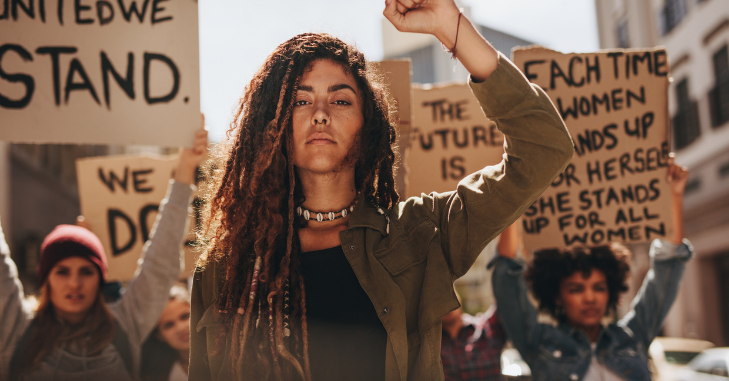
Successive UK governments have acknowledged the controversy but have been cautious about committing to large-scale compensation. The government argues that women had decades of notice about pension changes, although campaigners strongly dispute this claim.
Opposition parties and many MPs, however, have expressed support for WASPI women, urging the government to act reasonably and quickly to resolve the issue. The debate often resurfaces during parliamentary discussions, especially around election periods when pension policies are a key concern.
Public Support and Media Coverage
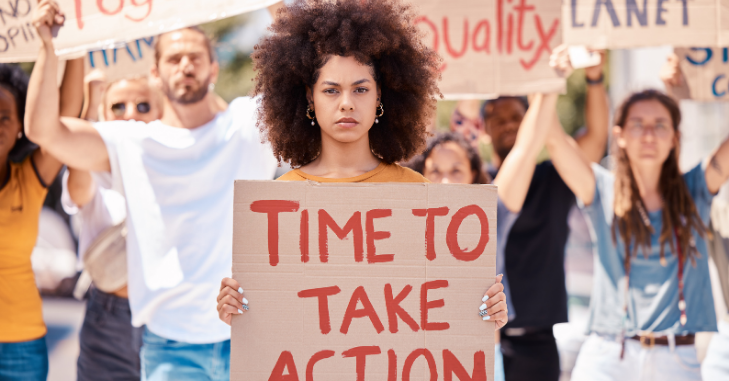
The WASPI campaign has garnered significant media attention, with regular coverage in newspapers, television debates, and online platforms. Public sympathy has grown, as stories of women facing unexpected hardship resonate with a broader audience.
Campaign groups have organized protests, marches, and awareness campaigns to maintain momentum. Social media has also played a crucial role in spreading awareness and mobilizing support across the UK.
Current Status of the WASPI Campaign in 2025

As of 2025, the WASPI campaign remains active and determined. The Ombudsman’s findings continue to fuel discussions about compensation, though no final government decision has been implemented. Campaigners remain hopeful that pressure from MPs, the public, and the legal acknowledgment of maladministration will result in fair compensation packages.
For many women, the campaign is about more than money; it is about recognition, fairness, and holding individuals accountable. The fight symbolizes the broader struggle for women’s rights and financial justice in later life.
Why WASPI Matters for the Future
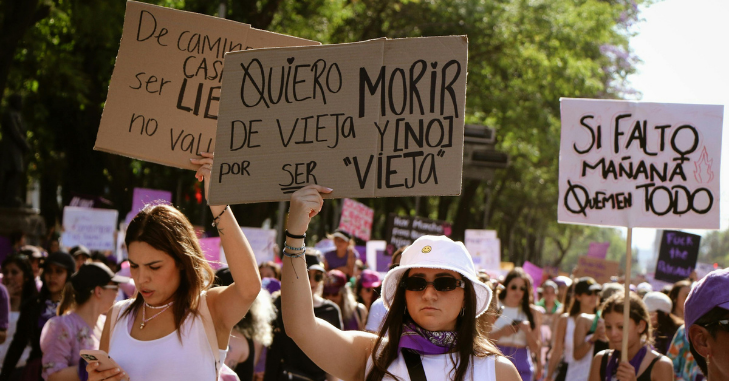
The Women Against State Pension Inequality campaign highlights the importance of transparent policymaking and timely communication from governments. It serves as a warning for future reforms, ensuring that no group of citizens should face life-changing policies without sufficient preparation.
Moreover, the campaign emphasizes the need to protect vulnerable groups, particularly women with limited financial resources, from bearing the brunt of poorly executed policy changes.
Conclusion
The Women Against State Pension Inequality campaign is more than just a movement about pensions; it is a fight for recognition, dignity, and fairness. Despite setbacks in the courts, the Ombudsman’s acknowledgment of maladministration has been a turning point, keeping alive the hope of meaningful compensation for affected women.
As the campaign continues into 2025, its message remains clear: government policy changes must be implemented with transparency, fairness, and foresight. The WASPI story is a reminder that behind every statistic are real women whose lives have been disrupted, and their determination ensures that the call for justice will not fade.
Want to know about How to Approach Divorce Without Fueling Conflict Check out our Law category.
Frequently Asked Questions (FAQs)
The Women Against State Pension Inequality (WASPI) campaign was founded to challenge the way the UK government increased the state pension age for women born in the 1950s.
Women born between 6 April 1950 and 5 April 1960 are the most affected by the state pension age changes. Eligibility for compensation has not been fully finalized.
The UK government has not committed to paying compensation. While the Ombudsman confirmed maladministration in the handling of pension communications, ministers have yet to announce a clear compensation scheme.