
Introduction
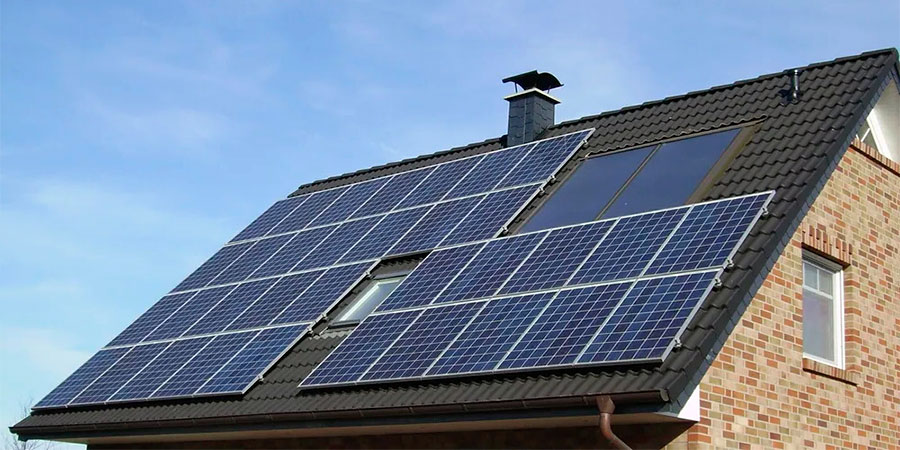
Solar photovoltaic systems are designed to generate renewable electricity reliably over a long period, but homeowners may notice that energy production changes as their installation gets older. Some variation is completely normal because solar generation depends on daylight hours, weather, temperature, and seasonal conditions. However, a sustained or unexpected reduction in output may indicate that another factor is affecting the system. Professional support from the experts at ServiceMy can help homeowners assess overall solar PV performance and identify potential issues that may be preventing an installation from operating as effectively as expected.
Understanding why solar PV efficiency can change is important because reduced generation may directly influence household energy savings. While some performance changes are part of normal system ageing, others may be linked to environmental conditions, electrical components, inverter performance, shading, or maintenance requirements. Recognising the difference can help homeowners take appropriate action and protect long-term system performance.
Natural System Ageing Can Influence Performance
Like most technology, solar PV equipment experiences gradual ageing throughout its operational life. Panels are manufactured for long-term outdoor use, but continuous exposure to sunlight, temperature changes, moisture, and other environmental conditions can gradually influence performance.
A small amount of long-term degradation does not necessarily mean there is a problem with the installation. However, understanding normal performance patterns makes it easier to recognise when generation changes more significantly than expected.
Keeping records of electricity production can provide useful historical information. When homeowners understand how their system has performed across previous years, they have a stronger reference point for identifying unusual changes.
Weather Creates Significant Variations in Solar Output
One of the most important factors affecting solar PV performance is weather.
Solar generation will naturally be higher during periods with longer daylight hours and stronger sunlight. Cloud cover, shorter winter days, and changing weather conditions can all reduce the amount of electricity generated.
This means homeowners should avoid comparing individual days when assessing performance. A sunny summer day and a cloudy winter day will naturally produce very different results.
Longer-term comparisons provide more meaningful information. If output remains noticeably lower than expected under comparable seasonal conditions, further investigation may be appropriate.
Increasing Shade Can Reduce Energy Generation
The amount of sunlight reaching solar panels can change over the years, even when the installation itself remains unchanged.
Trees and vegetation around a property may grow and create additional shading. Nearby construction, extensions, new buildings, or other changes to the surrounding environment can also affect sunlight exposure.
Shade can reduce the amount of solar energy available to the system and may affect overall generation.
Homeowners experiencing a change in performance should therefore consider whether the environment surrounding their panels has changed since installation.
Environmental Build-Up Can Affect Panels
Because solar panels remain outdoors throughout the year, they are exposed to environmental debris.
The level and type of build-up can depend considerably on the property’s location. Nearby trees, birds, traffic, construction activity, and local environmental conditions may all influence panel surfaces.
Rain may remove some light debris naturally, but certain installations can experience more persistent accumulation.
Where homeowners suspect environmental conditions are affecting their panels, professional advice can help determine whether further attention is required. Rooftop solar installations should always be approached carefully, and homeowners should avoid creating unnecessary safety risks by attempting difficult access themselves.
Inverter Performance Can Affect the Whole System
Solar panels may be the most visible part of an installation, but the inverter is equally important to overall performance.
The inverter converts the electricity generated by the panels into electricity suitable for use within the home. If it begins operating incorrectly or develops a fault, system generation can be affected even if the panels themselves remain in good condition.
Homeowners should pay attention to warning indicators, monitoring notifications, or unexpected changes in generation.
A professional assessment can help establish whether the inverter or another part of the installation is contributing to reduced performance.
Electrical Connections Can Change Over Time
Solar PV systems contain electrical components and connections that operate continuously for many years.
Although these systems are designed for durability, electrical components may require attention as an installation ages. Problems are not always visible and should not be investigated by homeowners without suitable expertise.
Professional inspections can assess relevant components and determine whether further maintenance is required.
Checking the wider installation is particularly important when generation falls without an obvious explanation. The panels themselves may appear completely normal while another part of the system is affecting performance.
Monitoring Problems Can Create Confusion
Sometimes the apparent problem may relate to monitoring rather than electricity generation itself.
Homeowners increasingly rely on digital platforms or monitoring systems to understand how much electricity their solar installation is producing. If monitoring equipment, connectivity, or reporting experiences an issue, the information displayed may not accurately represent what homeowners expect to see.
Unexpected readings should therefore be investigated rather than immediately assuming the solar panels themselves have developed a fault.
Understanding how the monitoring system works can make it easier to distinguish between reporting issues and genuine changes in generation.
Physical Damage Should Not Be Ignored
Solar panels and their supporting components are designed to withstand normal outdoor conditions, but unusual weather events or external factors can potentially affect an installation.
Homeowners may occasionally notice visible changes from ground level or another safe location. If something appears unusual following severe weather or another event, arranging a professional assessment can provide reassurance about the condition of the system.
Homeowners should avoid climbing onto roofs to inspect panels themselves. Professional inspection is safer and can provide a more complete assessment of both visible and less obvious system components.
Reduced Efficiency Can Affect Household Savings
Changes in solar PV efficiency matter because electricity generation is directly connected to the financial benefits of the system.
When panels generate less usable electricity, households may need to purchase more energy from the grid. If reduced performance continues for an extended period without being noticed, expected savings may gradually decline.
Regularly reviewing generation allows homeowners to identify unusual trends earlier. Where a significant or unexplained reduction occurs, investigating the cause can help restore confidence in system performance and protect long-term financial benefits.
Regular Checks Can Help Identify the Cause
Determining why a solar PV system is producing less electricity is not always straightforward.
Seasonal conditions, weather, shading, panel condition, inverter operation, electrical components, and monitoring systems can all influence the results homeowners see.
This is why professional system checks can be valuable. Rather than focusing on a single component, a broader assessment can consider how the installation is operating as a complete system.
Identifying the underlying cause allows homeowners to make informed decisions about whether maintenance, further investigation, or another form of attention is required.
Maintaining Long-Term Solar PV Performance
Solar PV systems should be viewed as long-term household energy assets.
Homeowners can support performance by monitoring generation, retaining useful system records, remaining aware of environmental changes, and responding when output changes unexpectedly.
A proactive approach does not mean assuming every fluctuation represents a fault. Instead, it means understanding normal system behaviour well enough to recognise when something appears unusual.
This balance helps homeowners avoid unnecessary concern while ensuring genuine performance issues are not ignored.
Frequently Asked Questions (FAQs)
Do solar panels naturally lose some efficiency as they age?
Solar PV equipment can experience gradual changes in performance over its operational life. However, significant or unexpected reductions may warrant further investigation.
Can weather make a solar PV system appear less efficient?
Yes. Cloud cover, seasonal daylight hours, and other weather conditions can significantly influence solar generation.
Can shade reduce solar panel performance?
Yes. Growing trees, vegetation, nearby construction, or other environmental changes can reduce the amount of sunlight reaching an installation.
Can an inverter cause reduced solar generation?
Inverter performance is important to the overall operation of a solar PV system, so problems with the inverter can affect system output.
What should homeowners do if solar generation suddenly decreases?
They should review available monitoring information and consider arranging an appropriate professional assessment if the reduction is significant, persistent, or unexplained.
Conclusion
Solar PV efficiency can change over time for many reasons, ranging from normal weather and seasonal variations to shading, component ageing, inverter performance, environmental conditions, and electrical issues. Understanding these factors helps homeowners distinguish between normal fluctuations and changes that may require further attention.
Regular monitoring combined with appropriate professional assessment provides a practical way to protect long-term performance. By identifying unusual changes early and considering the entire installation rather than the panels alone, homeowners can help maintain reliable renewable electricity generation and protect the financial value of their solar PV investment.