
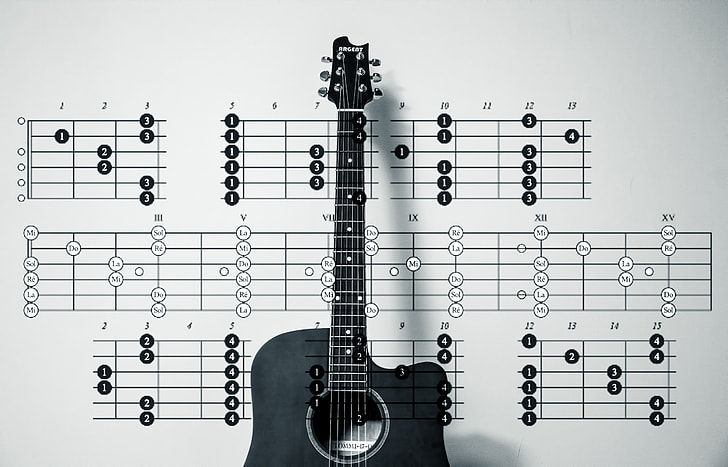

If you’re learning to play the guitar, one of the first and most essential things you’ll come across is the concept of chord gitar. Chords are the backbone of almost every song — from pop and rock to jazz and folk. Whether you’re strumming your first song or trying to master more complex progressions, understanding chords is key to becoming a confident guitarist.
What Is a Guitar Chord?
A chord gitar is a group of notes played together simultaneously, typically involving three or more notes. On a guitar, chords are formed by pressing down on strings at specific frets while strumming or picking. These combinations of notes create harmony and help build the structure of a song.
There are many types of chords, but the most common and beginner-friendly are major, minor, and dominant 7th chords. Each type has a distinct sound:
- Major chords sound happy and bright.
- Minor chords sound sad or serious.
- 7th chords add tension or a bluesy color to your music.
Basic Guitar Chords Every Beginner Should Know
Here are a few fundamental chord gitar shapes every guitarist should learn early on:
- C Major (C)
- A Minor (Am)
- G Major (G)
- E Minor (Em)
- D Major (D)
- A Major (A)
- E Major (E)
These are often called open chords because they involve open strings (strings that aren’t pressed down). They are the building blocks for hundreds of popular songs and are the first step in learning any song’s chord gitar pattern.
How to Read Guitar Chord Diagrams
If you’ve ever seen a chord gitar diagram, you might wonder how to interpret it. These diagrams represent the guitar’s fretboard as if it’s standing vertically in front of you.
- The vertical lines represent the six strings (low E to high E, left to right).
- The horizontal lines represent frets.
- Dots show where to place your fingers, and numbers indicate which fingers to use.
For example, a C major chord might be played like this:
- Index finger on the 1st fret of the B string
- Middle finger on the 2nd fret of the D string
- Ring finger on the 3rd fret of the A string
Strumming the correct combination of strings produces the chord gitar sound.
Practicing Guitar Chords
Learning chords takes patience and repetition. Here are a few tips for practicing:
- Start slow – Focus on clean sound, one chord at a time.
- Use chord transitions – Practice switching between chords smoothly.
- Play simple songs – Start with songs that use just two or three chords like “Horse with No Name” or “Knockin’ on Heaven’s Door.”
- Use a metronome – Keep a steady rhythm as you improve your timing.
- Finger positioning – Keep your fingers close to the frets to reduce buzzing or muted notes.
Importance of Practice and Muscle Memory
One of the most important parts of learning chord guitar is developing muscle memory through consistent practice. At the beginning, switching between chords may feel slow and uncomfortable, but with regular repetition, your fingers gradually learn where to go without thinking. This improvement comes from building coordination between your fretting hand and strumming hand, which is essential for playing smoothly. Practicing for even 10–15 minutes daily is often more effective than long, irregular sessions, as it helps reinforce finger strength and accuracy over time.
Chord Guitar in Popular Songs
Want to practice chords in context? Try learning the chord gitar for a simple and well-known song:
“Let It Be” by The Beatles
Chords: C – G – Am – F
This song uses common open chords and is a favorite among beginners. Try strumming each chord for one measure and singing along.
Final Thoughts
Whether you dream of performing live or just want to play for yourself, mastering chord gitar is a fundamental step in your musical journey. As you become more familiar with various chords and how they fit into songs, you’ll unlock creativity, emotion, and a deeper appreciation for music.
So grab your guitar, start strumming those chords, and remember — every great guitarist once started with a single chord gitar.

