


Introduction
Serial killer movies have long captivated audiences with their chilling portrayals of murder, psychological complexity, and moral ambiguity. Unlike typical horror films that rely on jump scares or supernatural monsters, this subgenre bases its terror on reality, often drawing inspiration from real-life crimes and killers.
These films explore the minds of those who kill repeatedly, offering disturbing insights into obsession, trauma, duality, and the human capacity for evil. They also highlight the intense efforts of those who investigate such crimes, revealing a tense battle between darkness and the forces of justice.
Whether based on true stories or fictionalized accounts, serial killer movies tap into our collective fear of the unknown and the unknowable, what drives someone to become a murderer. Through atmospheric tension, intricate storytelling, and haunting performances, these films continue to reflect and shape cultural fascinations with crime, morality, and the human psyche’s boundaries.
| Aspect | Details |
| Genre Focus | A disturbing look into human capacity for evil and the masks people wear. |
| Main Appeal | Realistic portrayal of murder, psychological depth, and moral ambiguity. |
| Contrast with Horror | Less about jump scares or supernatural; more about real-life inspired terror and criminal minds. |
| Core Themes | Obsession, trauma, duality, evil, and justice. |
| Perspective | Explores both killers and those who pursue them, detectives, profilers, and agents. |
| Psychological Insight | Disturbing look into human capacity for evil and the masks people wear. |
| True Crime Influence | Many are inspired by real killers or events, heightening realism. |
| Cultural Impact | Reflects societal fears; shapes fascination with crime, morality, and justice. |
| Storytelling Style | Intricate narratives, atmospheric tension, haunting performances. |
Serial Killer Movies
Serial killer movies are a gripping and often disturbing subgenre of crime and psychological thrillers that delve into the darkest corners of the human mind. These films center around individuals, usually highly intelligent, charismatic, or socially reclusive, who commit a series of murders driven by psychological motives, compulsions, or trauma.
What makes serial killer movies particularly compelling is their exploration of evil not as an abstract force but as something rooted in human behavior and psyche. Unlike traditional horror films that rely on supernatural elements, these movies create tension through realism, profiling, and moral ambiguity.
- Serial killer movies often feature a cat-and-mouse dynamic between the killer and a law enforcement figure, such as a detective, profiler, or agent.
- The investigator frequently becomes obsessively consumed with capturing the murderer.
- Killers are typically portrayed with disturbing complexity, blurring the line between monstrosity and humanity.
- Notable films like Zodiac, Se7en, The Silence of the Lambs, and Psycho demonstrate:
- Use of suspense and atmosphere.
- Deep character psychology.
- Reflection of societal fears around crime, mental illness, and justice.
- These films do more than entertain; they provoke thought about:
- What drives individuals to kill?
- How society confronts evil.
The Evolution of Serial Killer Movies
The Birth of a Genre
The fascination with serial killers in cinema dates back to the early 20th century. One of the earliest examples is “M” (1931) by Fritz Lang, which depicted a child murderer terrorizing Berlin. This psychological thriller set the tone for what would become a genre exploring fear, suspense, and the inner workings of the criminal mind.
The Golden Age of Crime Thrillers (1970s–1990s)
The 1970s through the 1990s marked a golden era for serial killer films, during which the genre reached new artistic and psychological depths. One of the most influential works was Alfred Hitchcock’s Psycho (1960), inspired by real-life killer Ed Gein. This film revolutionized horror by blurring the lines between psychological thriller and slasher, introducing audiences to the twisted mind of Norman Bates.
Another Gein-inspired classic, The Texas Chain Saw Massacre (1974), presented a grotesque and nightmarish version of the American family, amplifying the horror with gritty realism. Later, The Silence of the Lambs (1991) set a new standard for the genre, combining suspense with psychological insight.
Modern Interpretations and the Rise of the Antihero
Modern serial killer movies, such as “Zodiac” (2007) and “Nightcrawler” (2014), focus more on the investigative process and the media’s role in glamorizing violence. Shows like “Dexter” and “You” depict killers as protagonists, raising ethical questions about audience empathy.
Common Themes in Serial Killer Movies
The Battle of Good vs Evil
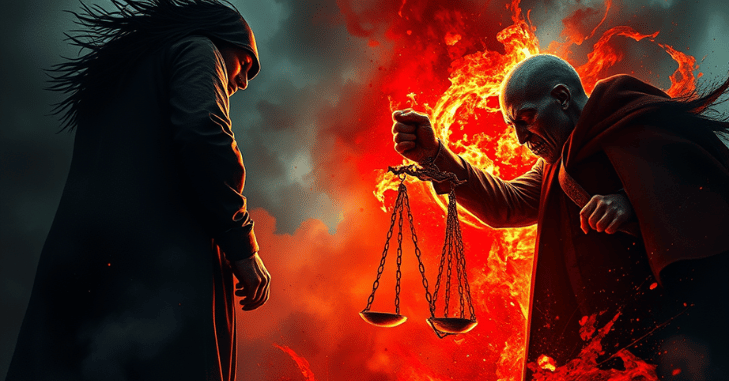
At the heart of most serial killer films lies a fundamental moral conflict, the age-old battle between good and evil, law and chaos. These stories frequently pit a righteous detective, profiler, or survivor against a cunning and sadistic killer. The protagonist often serves as a moral compass, a symbol of order in a world unraveling due to the killer’s atrocities.
This dynamic is not just about catching a criminal; it’s about preserving humanity against the threat of utter depravity. In films like The Silence of the Lambs, for example, FBI trainee Clarice Starling must navigate the dark psychological terrain of Dr. Hannibal Lecter while pursuing another killer, all while maintaining her ethical core.
Obsession and Madness
Serial killer films frequently delve into the theme of obsession, a force that drives both the killers and those hunting them. These narratives explore how deeply the pursuit of understanding evil can entangle a person’s mind. In Se7en (1995), the killer meticulously stages murders based on the seven deadly sins, revealing a fanatical obsession with moral punishment.
His detailed planning and cryptic messages show a deranged dedication to a personal vision of justice. Similarly, in Mindhunter (2017), the obsession manifests on the side of law enforcement, as FBI agents immerse themselves in the disturbing psyches of serial killers to build criminal profiles.
Identity and Duality
One of the most compelling psychological motifs in serial killer films is the exploration of identity and duality. Many killers present a façade of normalcy while hiding horrific secrets. This duality creates a chilling tension as audiences are forced to confront how evil can reside beneath the surface of everyday life.
Norman Bates in Psycho is a prime example, a seemingly timid and polite motel manager who conceals a deeply fractured psyche shaped by trauma and delusion. His split personality, driven by a toxic attachment to his deceased mother, exemplifies the terrifying potential for dual lives to coexist within one person.

Notable Serial Killer Films (Classic to Modern)
Classics
- “Psycho” (1960) – Hitchcock’s revolutionary take on horror.
- “M” (1931) – A terrifying early portrayal of a child killer.
- “The Boston Strangler” (1968) – A semi-biographical take on the real-life killer Albert DeSalvo.
1990s Favorites
- “Se7en” (1995) – A dark and disturbing journey into sin.
- “The Silence of the Lambs” (1991) – Featuring perhaps the most iconic killer ever, Hannibal Lecter.
- “American Psycho” (2000) – Satirical and terrifying, it explores the dual life of a Wall Street yuppie.
Recent Films
- “Zodiac” (2007) – A true crime masterpiece from David Fincher.
- “Extremely Wicked, Shockingly Evil and Vile” (2019) – Zac Efron’s portrayal of Ted Bundy.
- “The Clovehitch Killer” (2018) – A chilling suburban horror inspired by the BTK killer.
Real vs. Fictional Killers in Cinema
| Category | Film Title | Year | Description |
| Based on True Stories | Monster | 2003 | Charlize Theron won an Oscar for portraying real-life serial killer Aileen Wuornos. |
| Dahmer | 2002 | A haunting portrayal of the crimes and psyche of Jeffrey Dahmer. | |
| My Friend Dahmer | 2017 | Focuses on Dahmer’s teenage years, offering early insights into his disturbed mind. | |
| Fictional But Inspired | The Silence of the Lambs | 1991 | Buffalo Bill, a fictional killer, combines elements of Gein, Bundy, and Heidnik. |
| The Texas Chain Saw Massacre | 1974 | Leatherface is a fictional character loosely based on Ed Gein. |
Psychological Appeal and Audience Fascination
The appeal lies in our curiosity about the human psyche and the darker aspects of ourselves. These movies allow viewers to experience fear, suspense, and moral dilemma from a safe distance. Watching horror or thriller films can be cathartic, helping viewers process fear and anxiety. Serial killer movies, in particular, present scenarios that feel simultaneously foreign and familiar.
Serial killer movies continue to attract audiences because they blend psychological tension with storytelling that feels disturbingly realistic. Instead of relying on supernatural fear, these films draw viewers into the structured chaos of criminal investigations and the unsettling mindset of the killer. This balance between intellect and violence creates a gripping viewing experience, where every clue, motive, and character interaction adds to the suspense.
As a result, the genre not only entertains but also encourages viewers to reflect on human psychology, morality, and the fine line between normality and darkness.
Ethical Concerns and Criticism
Critics argue that some serial killer movies risk glamorizing murderers. Films that portray killers as charismatic antiheroes (e.g., You, American Psycho) can blur ethical lines. Movies based on real murders can reopen wounds for victims’ families, especially if dramatized inaccurately or insensitively. There is an ongoing debate about whether such films influence real-life violence. Although no direct causation has been proven, media portrayal can influence cultural attitudes toward crime.
Serial Killer Films in Streaming and Television
Rise of Streaming Thrillers
With Netflix, Hulu, and other platforms, serial killer narratives have exploded in popularity. Top examples include:
- “Mindhunter” – Based on the real FBI agents who studied serial killers.
- “The Fall” – Featuring a chilling cat-and-mouse game between a detective and a killer.
- “You” – A deeply unsettling take on obsessive love.
True Crime Docuseries
Shows like “Making a Murderer” and “Conversations with a Killer: The Ted Bundy Tapes” blur the line between entertainment and documentary, sparking both fascination and ethical debate.
Conclusion
Serial killer movies remain one of the most compelling and controversial genres in cinema. They confront viewers with uncomfortable truths about human nature, societal breakdowns, and the allure of evil. While they can provoke critical thought and psychological reflection, they also raise valid ethical concerns about glamorization, victim sensitivity, and media influence.
Whether audiences are drawn to the thrill of the hunt, the depth of the characters, or the mysteries of the mind, one thing remains clear: serial killer films hold a unique place in modern storytelling, forcing us to look into the abyss and wonder what might stare back.
Apart from that, if you are interested to know about “Lynda Bellingham Movies and TV Shows” then visit our “Entertainment” category.
FAQs
The most recent approved change was examined on April 25, 2025. A serial killer is someone who murders three or more people over more than a month, with a sizable interval between each murder.
According to the trio, violent behaviors, specifically, homicidal and sexually predatory behavior, are associated with animal abuse, fascination with starting fires, and chronic bedwetting after the age of five.
Many serial killers fit the criteria for either psychopathy or sociopathy, and the majority exhibit antisocial traits such as a lack of empathy, a disrespect for the law and the rights of others, and a lack of remorse.