


Introduction
Operations and supply chain management (OSCM) involves overseeing processes that convert inputs into outputs and ensure the efficient delivery of products. It includes key activities like procurement, production, logistics, and distribution. OSCM is vital for optimizing efficiency, reducing costs, and improving customer satisfaction.
This article covers the importance, components, technology’s role, challenges, and strategies in OSCM, highlighting how businesses can stay competitive and meet customer demands in a global market.
How Operations and Supply Chain Management Shapes Modern Business
Operations Management and Supply Chain Management have become essential pillars of modern business operations, helping organizations adapt to changing customer demands and global market pressures. From managing raw materials to ensuring timely product delivery, these systems create the backbone of efficiency and reliability. Businesses that invest in strong OSCM practices can better control costs, improve workflow coordination, and respond faster to disruptions.
In today’s fast-moving economy, mastering these processes is not just an advantage—it is a necessity for sustainable growth and long-term success.
The Strategic Role of Operations and Supply Chain Management
Operations and supply chain management are fundamental components of organizational success, ensuring that products and services are delivered efficiently, cost-effectively, and with consistent quality. At its core, operations management focuses on optimizing internal processes—such as production planning, quality control, and workflow coordination—while supply chain management extends these efforts outward to include sourcing raw materials, managing supplier relationships, and overseeing the movement of goods from origin to customer. When aligned, these functions help businesses minimize waste, respond quickly to market demand, and maintain competitive advantage. By integrating strategic planning with operational execution, companies can better anticipate challenges and deliver value to customers at every stage of the production and delivery cycle.
Operations and Supply Chain Management
Operations and supply chain management (OSCM) oversees all activities producing and distributing goods and services. It includes designing, planning, executing, and controlling the operations that transform inputs into outputs.
The supply chain management aspect focuses on coordinating suppliers, manufacturers, and distributors to deliver products efficiently and at the right cost.
Importance
OSCM is crucial for businesses because it helps optimize efficiency, reduce costs, and improve customer satisfaction. Companies maintain a competitive edge in the market by ensuring that products are delivered on time, cost-effectively, and highly quality. Effective OSCM contributes to the overall business strategy, enhancing performance and ensuring long-term success.
Key Components
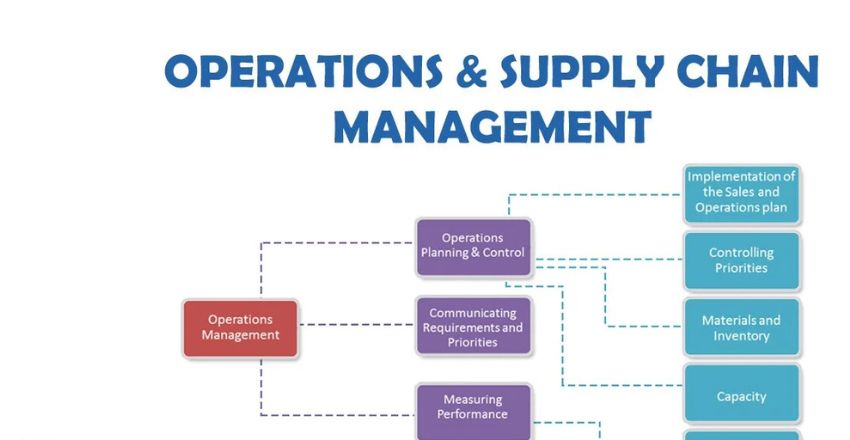
Operations and supply chain management comprises several components: procurement, production, logistics, and distribution. Procurement ensures the acquisition of necessary raw materials, while production involves transforming these materials into finished products.
Logistics focuses on transporting and storing goods, and distribution ensures timely delivery of products to customers. Each component works together to create a seamless process.
Role of Technology
Technology plays a pivotal role in improving operations and supply chain management. Advanced tools like enterprise resource planning (ERP) systems, automated warehouses, and real-time tracking systems enable businesses to streamline operations, track inventory, and predict demand.
By adopting modern technology, companies can enhance productivity, reduce errors, and make more informed decisions in their supply chain processes.
Challenges
- Despite its importance, operations and supply chain management faces several challenges.
- These include supply chain disruptions, fluctuating demand, global competition, and inventory management issues.
- Companies must proactively identify potential risks, build resilient supply chains, and adapt to market changes to maintain smooth operations and customer satisfaction.
Role of Data and Analytics in OSCM
Data analytics has transformed operations and supply chain management by providing valuable insights into customer behavior, demand patterns, inventory levels, and production efficiency. Using predictive analytics, businesses can forecast demand more accurately, optimize inventory levels, and reduce waste.
Real-time data helps improve decision-making, making businesses more responsive and adaptable to changes in the market.
Supply Chain Strategies for Success
- Successful operations and supply chain management rely on implementing effective strategies.
- These strategies include lean supply chains, which focus on reducing waste and improving efficiency, and agile supply chains, which allow businesses to adapt quickly to changes in demand.
- Both strategies contribute to improved performance, cost savings, and flexibility in response to market fluctuations.
The Link Between Operations and Supply Chain Management
Operations and supply chain management are deeply interconnected. Operations focus on internal processes and ensuring production efficiency, while supply chain management coordinates external processes such as procurement and distribution. Together, these two functions provide a smooth flow of materials and information across the entire business, contributing to overall operational success.
Customer Satisfaction
Effective supply chain management directly impact customer satisfaction. Businesses can meet and exceed customer expectations by ensuring timely delivery, high-quality products, and competitive pricing.
The seamless coordination between operations and the supply chain guarantees that customers receive the right products at the right time, which enhances their experience and loyalty.
Global Trends
Globalization has significantly impacted operations and supply chain management. Companies now operate globally, sourcing materials and selling products worldwide. As a result, there is a growing need for companies to manage complex, international supply chains.
Trends such as sustainability, digitalization, and automation are shaping the future of OSCM, making it essential for businesses to stay adaptable.

Trends Shaping the Future
Several trends are shaping the future of supply chain management. The rise of automation, robotics, and artificial intelligence is making supply chains more efficient and reducing human error. Blockchain and IoT technologies are improving visibility and transparency across supply chains.
Additionally, sustainability practices are gaining importance as companies work to reduce their environmental impact while maintaining operational efficiency.
Drives Business Success
Supply chain integration connects various supply chain stages, including suppliers, manufacturers, and distributors. This collaboration reduces inefficiencies and ensures smooth communication across the entire process.
The result is optimized production, reduced delays, lower costs, and better inventory management. Integrating the supply chain ultimately enhances customer satisfaction and strengthens the company’s competitive edge in the market.
Cost Optimization
Cost optimization in supply chain management focuses on reducing expenses without compromising product quality. It involves streamlining procurement, minimizing transportation costs, and improving inventory systems. Automation, data analytics, and process improvements help identify inefficiencies.

Conclusion
In conclusion, operations and supply chain management (OSCM) is essential for business success, focusing on efficiency, cost reduction, and customer satisfaction. Companies can improve performance by integrating key components like procurement, production, and logistics and leveraging technology and data.
Adopting effective strategies and addressing challenges ensure OSCM’s continued role in driving growth, meeting customer needs, and staying competitive.
Apart from that if you want to know about “Product Service Management: Customer Success, Importance, Customer Review, and Everything You…” then please visit our “Business” Category.
FAQs
OSCM is the process of overseeing activities that transform inputs into outputs and manage the flow of products from suppliers to customers, ensuring efficiency and cost-effectiveness.
OSCM optimizes efficiency, reduces costs, and improves customer satisfaction, helping businesses maintain a competitive edge and meet market demands.
Key components include procurement, production, logistics, and distribution, all working together to ensure a smooth and efficient production and delivery process.
Technology, like ERP systems and real-time tracking tools, enhances OSCM by improving productivity, reducing errors, and enabling better decision-making.
Operations and supply chain management involves planning, controlling, and optimizing processes that produce goods or deliver services, from sourcing materials to final delivery.