
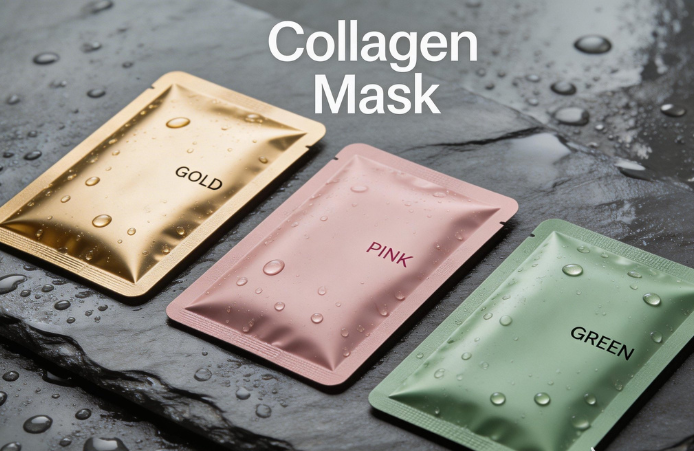

A collagen mask has become a popular skincare solution for those seeking smoother, firmer, and more hydrated skin without the need for complex routines.
Often associated with youthful skin, collagen plays a key role in maintaining elasticity and structure, which is why collagen-based treatments are widely used in modern skincare.
A mask typically works as a short-term treatment that delivers an instant boost of hydration, leaving the skin looking plumper, softer, and more refreshed after just one use.
However, not all masks are the same; their effectiveness depends on their type, formulation, and the combination of ingredients such as humectants, emollients, and soothing agents.
While they offer noticeable immediate results, masks are best understood as a supportive skincare step that enhances overall skin health when used alongside a consistent routine.
| Category | Key Points |
| Collagen Mask | Hydrating and plumping skincare mask |
| How It Works | Boosts moisture and smooths skin |
| Main Types | Sheet, wash-off, peel-off, hydrogel, eye, night |
| Best For | Dry, dull, tired skin |
| Key Benefits | Hydration, softness, glow, plump look |
| Long-Term Impact | Needs a consistent skincare routine |
| Key Ingredients | Collagen, hyaluronic acid, glycerin |
| Skin Feel After Use | Soft, smooth, refreshed |
| How Often to Use | 1–3 times weekly |
| Application Time | 10–20 minutes |
| Who Should Avoid | Sensitive skin (harsh masks) |
| Role in Skincare | Supportive, not a replacement |
| Overall Appeal | Quick and visible results |
Collagen Mask
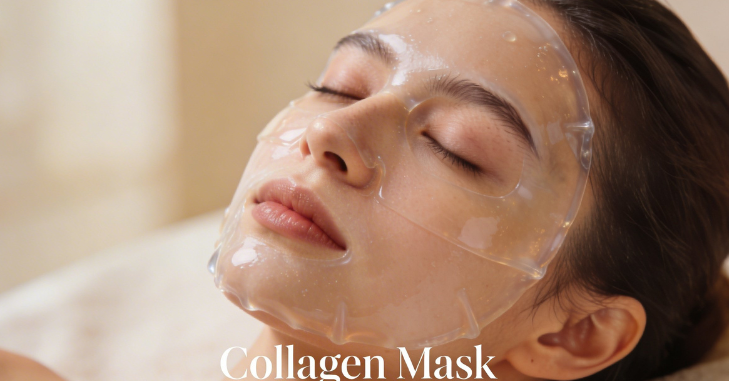
Masks have become one of the most searched skincare items because they promise a familiar goal: firmer, smoother-looking skin. Collagen is often described as the “foundation” of youthful skin, so it makes sense that skincare products would try to support collagen levels.
A mask is typically used as a short-term treatment: you apply it for a specific amount of time, remove it, and your skin often looks more hydrated, plump, and temporarily more even.
However, masks can mean different things depending on the type, formulation, and ingredients used with collagen.
Understanding Collagen
- A collagen mask works mainly through a combination of moisturizing, film-forming, and ingredient. Many masks contain humectants (ingredients that attract water), emollients (ingredients that soften), occlusives (ingredients that help reduce water loss), and, sometimes, collagen peptides or related collagen-derived components.
- When you apply a mask, you usually create a temporary hydration boost and a comfortable “active” environment on the skin. This can lead to visible changes such as plumper skin, a softer texture, and improved brightness, often within the same session.
- Long-term improvement depends on overall skincare habits (daily sunscreen, consistent routine, and ingredients that support collagen pathways), not just mask use. Think of masks as a “support and refresh” step, not a permanent collagen replacement.
Types
These masks are not all the same. You’ll typically see these types:
Sheet Masks
Sheet masks are soaked in a serum and placed over the face as a thin layer of fabric. They’re popular because they’re convenient and can provide quick hydration. Many collagen sheet masks are designed for a fast glow, especially for events or when skin feels dry or tired.
Wash-Off (Cream or Gel) Masks
These masks are applied and left on for a set time, then rinsed off. Wash-off masks may include exfoliating components (sometimes very gentle, sometimes stronger).
Please check the ingredient list carefully. If the mask includes acids or strong exfoliants, it may not be ideal for sensitive or barrier-compromised skin.
Peel-Off Masks
These form a film that dries and can be peeled off. While they can provide an immediate “tight” feel, peel-off masks can sometimes be drying or irritating, especially if your skin is sensitive.
They may not be the best choice for very dry skin or conditions like rosacea unless you know your skin tolerates them well.
Collagen Eye Masks
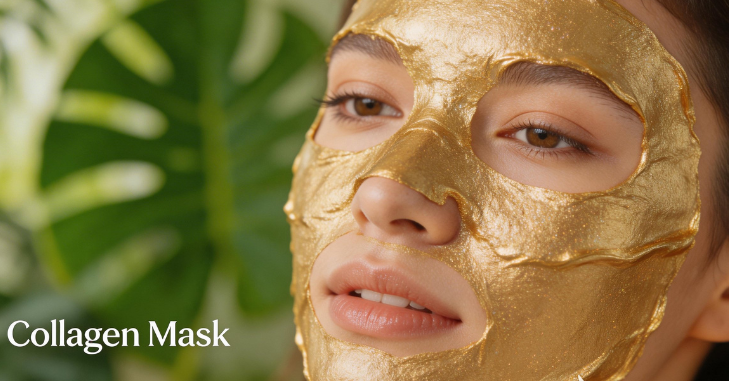
Some products focus on collagen in the eye area, often because the under-eye skin is thinner and shows fatigue more quickly. These masks can help reduce temporary puffiness and improve hydration, especially when paired with cooling ingredients or humectants.
Hydrogel Masks
Hydrogel masks feel more like gel pads that hold moisture well. They’re often marketed for “intense hydration” and can conform closely to facial contours. Hydrogel masks may feel more luxurious and can deliver a strong moisturizing effect.
Night (Leave-On) Masks
These are used overnight and washed off in the morning (or sometimes left as a final step like a moisturizer, depending on instructions).
Night masks often combine collagen-derived ingredients with hydrators and barrier-supporting components.
Benefits
These masks are usually chosen for cosmetic and comfort benefits. Here are the most common benefits people look for, along with realistic expectations.
- Hydration and “Plump” Look: One of the most noticeable effects of a mask is improved hydration and a plumper look. When skin is well hydrated, fine lines can appear less prominent simply because the skin’s surface is fuller. This is often described as “plumping,” but it’s typically temporary hydration plus improved texture.
- Softer Texture and Smoother Feel: Collagen masks often leave skin feeling softer and more supple. That’s commonly due to moisturizing ingredients that reduce roughness and support the skin barrier.
- Brightness and Even-Looking Skin: Many masks include brightening or skin-calming ingredients. Even if collagen itself isn’t directly “brightening,” well-hydrated skin often looks more even. If your mask includes vitamin C derivatives, niacinamide, or mild exfoliants, you may see a more consistent glow over time.
- Temporary Reduction in the Appearance of Fine Lines: Collagen masks can make fine lines look less noticeable right after use, thanks to their hydrating and smoothing effects.
- For long-term improvements in wrinkles, you’ll usually need consistent daily skincare, sun protection, and proven collagen-supporting actives.
- Barrier Support and Comfort: If a mask is formulated with soothing ingredients (such as panthenol, centella, allantoin, or glycerin), it can help your skin feel calmer, particularly when your skin barrier is stressed by weather changes or over-exfoliation.
- Post-Procedure or After-Dryness Recovery: Some people use masks after travel, when dryness occurs, or after gentle skincare routines. If your mask is free from harsh actives, it can be a good comfort step. If you’ve recently had strong treatments (like chemical peels), always follow your dermatologist’s guidance.
Key Ingredients
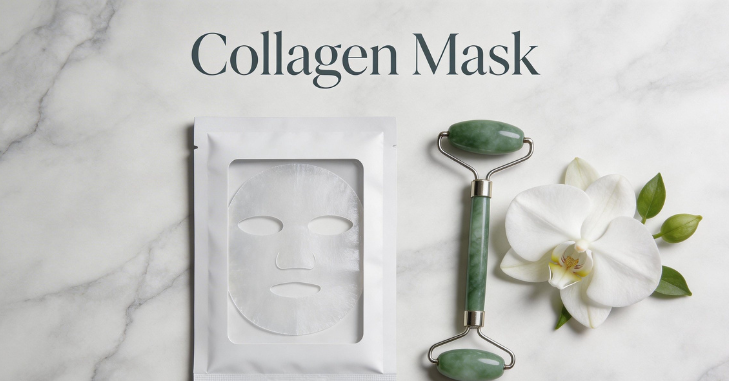
These masks can contain true collagen peptides, hydrolyzed collagen, or collagen derivatives. But the real results usually come from the whole formula. Here are key ingredient categories that matter:
Collagen (Hydrolyzed Collagen / Collagen Peptides)
Look for terms like hydrolyzed collagen, collagen peptides, or collagen extract. These ingredients are collagen-derived and may help with surface hydration and film-forming effects.
Peptide sizes vary, and not all collagen types behave the same way. Still, they’re generally included for their moisturizing and skin-conditioning properties.
Humectants (Water-Locking Ingredients)
Common humectants include:
- Glycerin
- Hyaluronic acid (sodium hyaluronate, etc.)
- Propanediol
- Panthenol (also soothing)
Humectants pull water into the upper layers of the skin, helping it look fuller.
Emollients (Smoothing and Softening)
Emollients make skin feel comfortable and reduce roughness. Examples include:
- Squalane
- Shea butter (if included)
- Cetyl/Stearyl alcohols (sometimes used in creams for texture)
Occlusives (Reducing Water Loss)
Occlusives help prevent hydration from evaporating too quickly. These can include:
- Dimethicone
- Mineral oil (varies by product)
- Beeswax/ceramides in some formulas
Barrier-Supporting Ingredients
Ingredients like:
- Ceramides
- Allantoin
- Centella asiatica (cica)
- Allantoin
It can help strengthen your skin barrier and reduce irritation.
Brightening or Anti-Dullness Ingredients (Optional)
Some masks include:
- Niacinamide
- Vitamin C derivatives
- Licorice extract
These can support a more even tone and glow.
Soothing Ingredients (Great for Sensitive Skin)
If you’re easily irritated, look for:
- Aloe vera
- Green tea
- Chamomile (if your skin tolerates it)
How to Use a Collagen Mask?
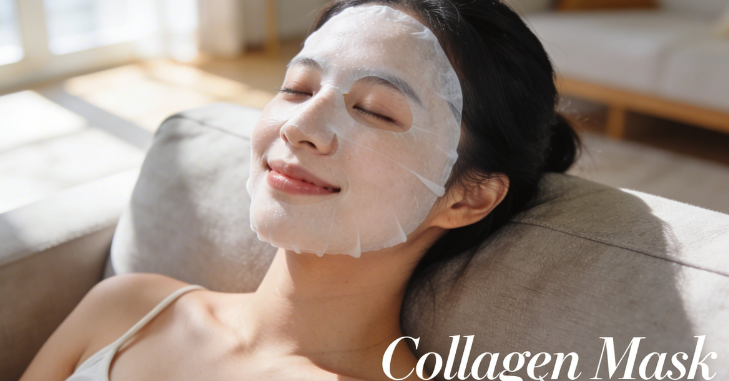
Using a mask correctly can make a big difference.
First, cleanse your face. If you use a mask right after washing, the skin can better absorb the serum. Then apply the mask evenly, avoiding the immediate eye and lip areas unless the product is designed for those areas.
Follow the timing instructions, typically 10–20 minutes for sheet masks. Over-masking can sometimes lead to dryness as the mask dries and pulls moisture back out of the skin. After removing the mask, gently massage any remaining serum into your skin.
Finish with moisturizer if needed (especially if the mask is not leave-on). For best results, use collagen masks occasionally. Many people do 1–3 times per week, depending on how their skin reacts. More frequent use may not be necessary and could irritate sensitive skin.
Conclusion
Collagen masks can be a wonderful way to give your skin a hydrated, refreshed look and feel. They often provide immediate benefits like improved moisture, smoother texture, and temporary plumpness, especially when combined with humectants and barrier-supporting ingredients.
But the most effective results come from choosing the right type of mask for your skin needs, using it at the right frequency, and pairing it with a solid skincare foundation: gentle cleansing, consistent moisturization, and daily sunscreen.
If you want long-term skin quality, masks are best viewed as a supportive tool, like a monthly or weekly “skin reset” rather than a cure-all for aging.
Apart from that, if you want to know more about Barrel Jeans for Women then visit our Fashion category.
FAQs
Yes, but not in the way you might think. “Collagen face masks are designed to deeply hydrate and temporarily plump the skin, improving its appearance and texture,” says Ellen Marmur, MD, a board-certified dermatologist based in New York City.
Collagen masks provide intense hydration, temporarily plump the skin, and improve elasticity to reduce the appearance of fine lines and wrinkles.
To use a collagen mask effectively, start with a clean face (double-cleanse) and apply toner to prepare the skin. Apply the sheet or jelly mask, ensuring a snug fit. Leave the mask on for 20 minutes to several hours or overnight until it turns clear/transparent, indicating absorption. No rinsing is needed; tap the serum in.
Yes, you can integrate face masks into your hyperpigmentation care routine. However, ensure you’re not overloading your skin with too many active ingredients at once. Always introduce new products gradually and monitor your skin’s reaction.