
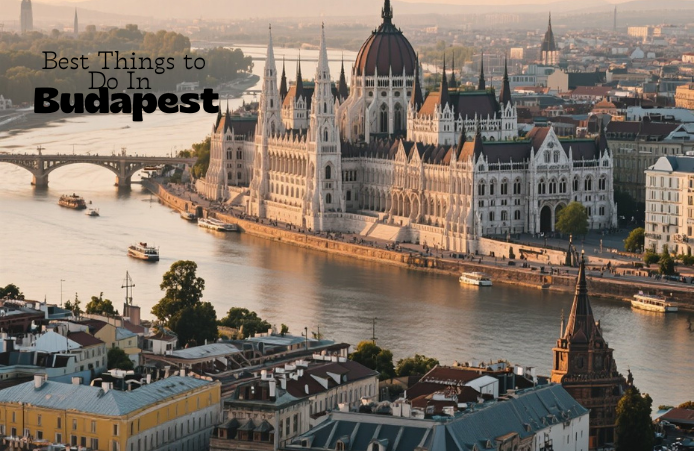

Best Things To Do In Budapest
Budapest, the captivating capital of Hungary, seamlessly blends rich history, architectural grandeur, and modern vibrancy. Often referred to as the “Pearl of the Danube,” the city offers visitors a wealth of experiences from exploring majestic landmarks like Buda Castle and the Parliament Building to unwinding in world-famous thermal baths.
The Best Things To Do In Budapest include discovering its UNESCO World Heritage Sites, indulging in authentic Hungarian cuisine at the Great Market Hall, and immersing oneself in the city’s lively nightlife and cultural festivals.
Whether strolling across the Chain Bridge, relaxing in Széchenyi Thermal Bath, or enjoying panoramic views from Fisherman’s Bastion, Budapest promises a memorable blend of history, culture, and charm that enchants every traveler.
| Category | Highlights | Description |
| Historic Landmarks | Buda Castle, Fisherman’s Bastion, St. Stephen’s Basilica, Hungarian Parliament, Chain Bridge | Iconic architectural marvels reflecting Budapest’s royal and cultural heritage, offering scenic views and rich history. |
| Nature & Scenic Views | Buda Hills, Gellért Hill | Ideal spots for hiking, picnics, and panoramic views of the city and the Danube River. |
| Cultural Experiences | Hungarian State Opera House, Great Market Hall, House of Terror | Immersive experiences showcasing Hungarian art, cuisine, and history through performances, museums, and local markets. |
| Thermal Baths | Széchenyi, Gellért, Rudas Baths | Relaxing hot spring spas offering therapeutic waters, elegant architecture, and traditional wellness experiences. |
| Nightlife | Jewish Quarter, A38 Ship, Akvárium Klub, Lärm | Vibrant nightlife with ruin bars, live music, and dance clubs reflecting Budapest’s youthful energy. |
| Festivals & Events | Christmas Markets, Sziget Festival, Budapest Spring Festival | Annual events that celebrate music, art, food, and Hungarian traditions in a festive atmosphere. |
Discovering the Historic Landmarks
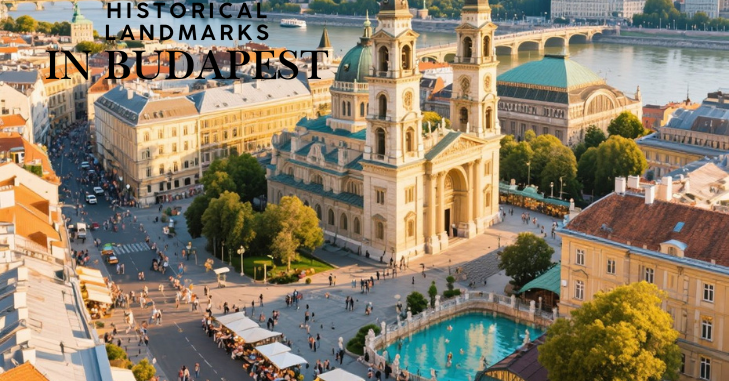
Budapest is renowned for its historic landmarks, many of which are UNESCO World Heritage Sites. The majestic architecture and storied past of these sites reflect the city’s evolution over centuries.
The Buda Castle
Perched atop Castle Hill, Buda Castle is one of Budapest’s most iconic landmarks. Originally built in the 13th century, it has undergone numerous renovations and expansions over the years. The castle complex houses several museums, including the Hungarian National Gallery and the Budapest History Museum, making it a cultural hub.
Fisherman’s Bastion
Adjacent to Buda Castle, Fisherman’s Bastion is a fairy-tale-like structure with seven turrets representing the seven Hungarian tribes that settled in the Carpathian Basin.
The bastion offers some of the best panoramic views of the city, particularly of the majestic Parliament building across the river. Visitors can wander along the terraces and enjoy the striking neo-Romanesque architecture.
St. Stephen’s Basilica
Named after the first King of Hungary, St. Stephen’s Basilica is a stunning example of neoclassical architecture. Its massive dome towers over the city, and the interior is equally impressive, featuring intricate frescoes, mosaics, and a magnificent altar.
Climbing to the observation deck provides visitors with sweeping views of Budapest’s skyline. The basilica is also home to the mummified right hand of King Stephen, a significant relic for many Hungarians.
The Hungarian Parliament Building
One of the most iconic structures in Budapest, the Hungarian Parliament Building stands as a testament to the country’s architectural heritage. Completed in 1904, this neo-Gothic masterpiece is the largest building in Hungary and one of the largest parliamentary buildings in the world.
Guided tours are available, allowing visitors to explore its stunning interior, including the grand staircase and the ornate dome hall. The building is particularly captivating when illuminated at night, casting a reflection on the Danube.
Chain Bridge
Connecting Buda and Pest, the Chain Bridge is a symbol of Budapest and one of its most photographed landmarks. Completed in 1849, it was the first permanent bridge across the Danube River.
Walking across the bridge provides an excellent opportunity to take in the breathtaking views of both sides of the city. The bridge is especially enchanting at night when it is lit up against the dark sky.
Exploring the Buda Hills and Gellért Hill
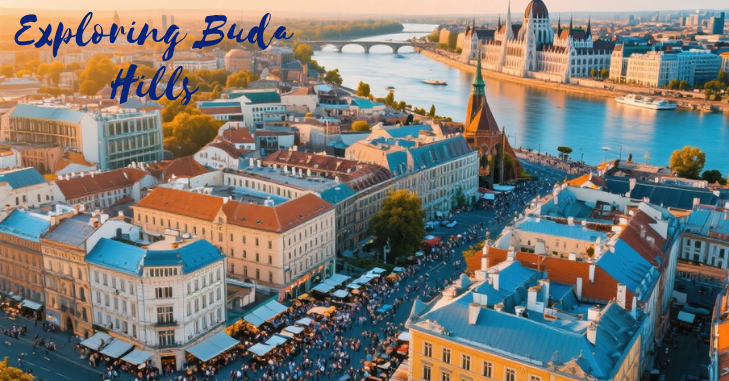
Budapest is not just about its urban landscape; the surrounding hills offer stunning natural beauty and opportunities for outdoor activities. The Buda Hills and Gellért Hill provide a refreshing escape from the hustle and bustle of the city.
The Buda Hills
The Buda Hills, extending to the west of the city, are a haven for nature lovers and hikers. With numerous trails winding through lush forests and scenic views, the hills are perfect for outdoor exploration.
One popular destination is Hármashatárhegy, which offers hiking trails and panoramic vistas of the city and the Danube. The area is also home to the Normafa lookout, a popular picnic spot with spectacular views.
Gellért Hill
Gellért Hill is another must-visit for those seeking breathtaking views of Budapest. The hill rises steeply above the city and is crowned by the Citadel, a fortress built in the mid-19th century. The trek to the top is well worth the effort, as visitors are rewarded with stunning panoramic views of the Danube, the Parliament, and the Buda Castle.
At the summit, the Statue of Liberty stands as a symbol of freedom, adding to the hill’s historical significance. Many visitors enjoy the tranquility of the park surrounding the hill, making it a great spot for a leisurely afternoon.
Cultural Experiences
The Hungarian State Opera House is a must-visit for culture lovers, showcasing neo-Renaissance architecture, remarkable acoustics, and grand interiors. Visitors can enjoy guided tours to learn about its history or attend performances ranging from opera and ballet to classical concerts.
The Great Market Hall offers a true taste of Hungarian culture, featuring stalls brimming with local produce, spices, meats, and traditional dishes like lángos, gulyás, and kürtőskalács. It’s also a great spot to buy souvenirs such as handmade crafts and Hungarian paprika.
The House of Terror provides a powerful look into Hungary’s history under fascist and communist regimes. Situated on Andrássy Avenue, this museum—once a secret police headquarters—features exhibitions and personal accounts that highlight the nation’s resilience through difficult times.
Relaxing in Thermal Baths
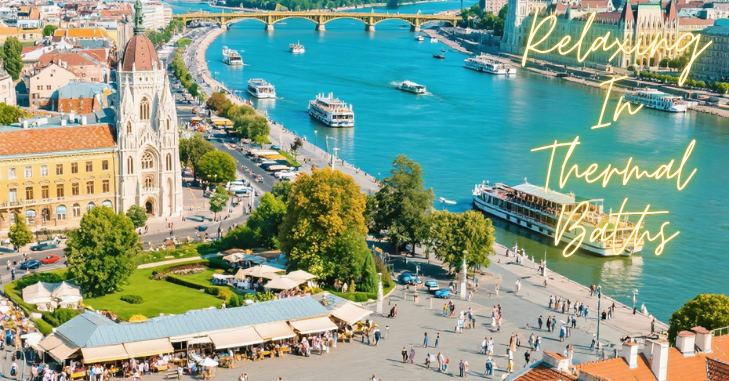
Budapest is famous for its thermal baths, a legacy of the city’s Roman and Ottoman history. These baths offer a unique and relaxing way to experience the local culture while enjoying the therapeutic benefits of mineral-rich waters.
Széchenyi Thermal Bath: Széchenyi Thermal Bath is one of the largest and most popular thermal baths in Budapest. Located in City Park, this stunning neo-baroque complex features numerous indoor and outdoor pools, saunas, and spa services. Visitors can soak in the warm waters while enjoying the beautiful surroundings.
The outdoor pools are particularly inviting in winter, when steam rises from the water against the chilly air. Széchenyi also offers various treatments, including massages and body scrubs, allowing for a truly rejuvenating experience.
Gellért Thermal Bath: Another famous thermal bath is Gellért, located within the Gellért Hotel. Known for its stunning Art Nouveau architecture, the bath features elegant mosaics, stained glass, and thermal pools.
Visitors can relax in the outdoor wave pool or indulge in a range of wellness treatments. The combination of beautiful surroundings and therapeutic waters makes Gellért Bath a favorite among locals and tourists alike.
Rudas Thermal Bath: Rudas Bath, known for its historic charm, dates back to the 16th century and reflects the influence of Ottoman architecture. The bath features a stunning octagonal pool and a rooftop terrace that offers panoramic views of the Danube and the city.
Rudas Bath is particularly popular for its evening wellness sessions, where visitors can enjoy the thermal waters under the stars. The unique ambiance and historical significance of Rudas make it a memorable part of any Budapest visit.
Experiencing Budapest’s Nightlife
Budapest’s nightlife is as dynamic and captivating as its rich cultural scene, offering a variety of options for every kind of traveler. In the heart of Pest, the Jewish Quarter stands out as the city’s nightlife hub, filled with historic charm and modern energy.
Its streets are lined with a mix of traditional synagogues, trendy cafes, and lively bars, including the city’s famous ruin bars, which give the area its distinctive atmosphere. Beyond the bars, Budapest’s live music scene adds another layer of excitement. Venues like the A38 Ship — a converted vessel on the Danube — host an array of concerts and cultural events, while the Budapest Jazz Club provides an intimate space for jazz lovers.
For those who enjoy dancing, the city’s club scene offers something for every taste, from electronic beats to pop and hip-hop. Popular spots like Akvárium Klub and Lärm draw both locals and tourists with their vibrant music and energetic crowds. Together, these diverse experiences make Budapest’s nightlife one of its most unforgettable attractions, combining history, culture, and entertainment into a truly unique evening experience.
Seasonal Events and Festivals
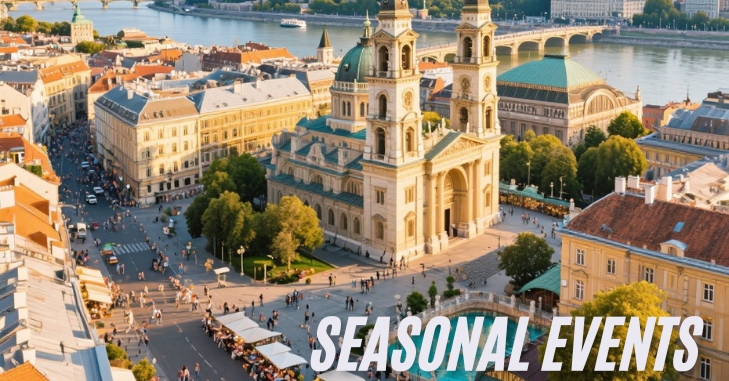
Budapest hosts various seasonal events and festivals throughout the year, adding to its charm and vibrancy. These celebrations provide an opportunity to experience the city’s culture and traditions in a festive atmosphere.
Christmas Markets
During the holiday season, Budapest transforms into a winter wonderland with its enchanting Christmas markets. The most famous market is located in Vörösmarty Square, where visitors can browse stalls selling handcrafted gifts, ornaments, and delicious holiday treats.
Mulled wine and chimney cake are popular offerings, creating a warm and festive atmosphere. The stunning backdrop of the illuminated St. Stephen’s Basilica adds to the charm of the market.
Sziget Festival
Every August, the Sziget Festival takes place on Óbuda Island, attracting music lovers from around the world. This week-long festival features a diverse lineup of international artists across various genres, including rock, pop, and electronic music.
Beyond music, the festival offers arts and cultural programs, workshops, and a vibrant atmosphere that celebrates creativity and community.
Budapest Spring Festival
Held annually in April, the Budapest Spring Festival showcases the city’s rich cultural heritage through a series of concerts, performances, and exhibitions.
The festival features classical music concerts, jazz performances, and theatrical productions, attracting artists and audiences from around the world. It is an excellent opportunity to immerse oneself in Budapest’s artistic spirit.
Conclusion
Budapest is a city that effortlessly weaves together history, culture, and modernity, offering an array of experiences for every traveler. From its iconic landmarks and breathtaking views to its rich culinary scene and vibrant nightlife, Budapest captivates the hearts of those who visit.
The combination of historic charm and contemporary vibrancy makes it a destination that leaves a lasting impression. Exploring the Buda Hills and Gellért Hill provides a refreshing escape into nature, while the city’s thermal baths offer relaxation and rejuvenation.
Engaging with the local culture through traditional cuisine and lively events enhances the overall experience, allowing visitors to connect with the soul of Budapest.
Want to know about Places To Go in Italy: A Complete Traveler’s Guide to Historic Cities, Coastal Escapes, Countryside Retreats, and Hidden Villages Check out our Travel category.
FAQ
Yes, two days in Budapest is enough to see the highlights, especially if you have an extra morning or afternoon on the days you arrive and leave. There’s quite a lot to see in just two days, but if you’re like me and enjoy exploring at a fast pace, then you have nothing to worry about.
Budapest is easy to visit on a city break or on a Danube river cruise. There are castles, museums, and galleries to explore, architecture to admire, and, of course, don’t forget to bathe in one of the city’s famous thermal baths.
500-600 EUR should be more than enough if you are not aiming for the tourist traps and partying.
The best times to visit Budapest are from March to May and September through November. These shoulder seasons are when the weather is idyllic and the city isn’t overcrowded with tourists. However, the year-round climate is relatively mild, with temperatures rarely exceeding bearable levels.