
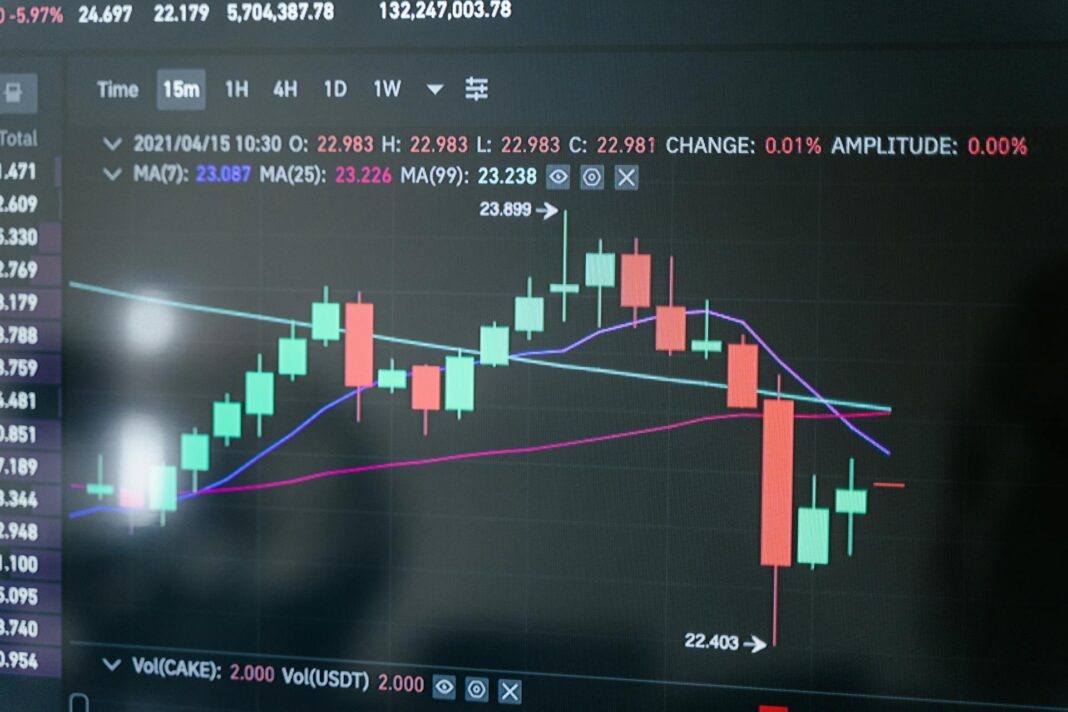

The evolution of technology has reshaped many industries, but perhaps none more dramatically than finance. Among the most transformative developments is the rise of the AI trading platform, a sophisticated tool designed to automate trading decisions and increase efficiency through machine learning and artificial intelligence. Today, these platforms are easily accessible through their official websites, where users can explore features, sign up, and begin trading within minutes.
In this article, we explore how AI trading platforms work, what to expect from their official websites, and how they’re transforming the landscape of investing for both beginners and professionals.
What Is an AI Trading Platform?
An AI trading platform is a digital system that uses artificial intelligence algorithms to execute trades, analyze market data, and generate investment insights. Unlike traditional trading platforms that require manual input, AI-driven platforms can learn from historical data and adapt strategies in real time.
Key technologies used in these platforms include:
- Machine Learning (ML): Enables the system to learn from previous trades and improve future decisions.
- Natural Language Processing (NLP): Allows the platform to analyze financial news and sentiment.
- Predictive Analytics: Forecasts market trends using past and current data.
The Role of an Official Website in AI Trading Platforms
The official website of an AI trading platform serves as the gateway for users to understand the service, explore its features, and initiate their trading journey. A well-designed official website typically includes:
- A detailed breakdown of features and tools
- Pricing and account plan options
- Testimonials or user reviews
- FAQ and support sections
- Secure registration and login portals
It also functions as a branding and trust-building tool, offering transparency, compliance documentation, and updates.
Core Features of AI Trading Platforms
1. Automated Trading
At the heart of every AI trading platform is the ability to automate trades based on algorithms. Users can set rules or let the platform decide optimal entry and exit points based on market conditions.
This minimizes emotional trading and allows for round-the-clock execution, even when users are offline.
2. Real-Time Market Analysis
AI platforms constantly scan global markets, news feeds, and economic indicators to identify trading opportunities. This allows for real-time decision-making that is difficult for human traders to match. Furthermore, some platforms integrate forex copy trading features, allowing users to automatically replicate the trades of successful AI-driven strategies or expert human traders.
3. Custom Strategy Building
Some platforms allow users to build or test trading strategies using AI assistance. This may involve back testing against historical data, paper trading (demo mode), or using preset templates optimized by AI.
4. Sentiment Analysis
Through NLP, AI trading platforms can assess the tone and implications of news articles, tweets, and press releases. If a sentiment shift suggests a bullish or bearish movement, the system can react accordingly.
5. Risk Management Tools
AI-based trading includes robust risk controls—such as stop-loss orders, margin alerts, and diversified portfolio suggestions—designed to protect investors against volatility.
What to Look for on an Official Website
1. Security and Compliance
A trustworthy AI trading platform will list its regulatory status and security protocols prominently on its official website. Look for:
- SSL encryption
- GDPR compliance (in Europe)
- AML and KYC verification procedures
- Third-party audits
2. Transparent Pricing
Avoid platforms that hide fees or offer vague pricing. The official website should clearly outline:
- Monthly/annual subscription costs
- Commission or spread models
- Additional fees for features or withdrawals
3. User Dashboard Preview
A quality platform offers screenshots or demo videos of its trading dashboard—so potential users can evaluate the interface before signing up.
4. Customer Support Options
Reliable platforms list all customer service methods on their official website, including:
- Live chat
- Email or ticket system
- 24/7 phone support
- Multilingual assistance
5. Tutorials and Learning Resources
Especially for beginners, the official website should include guides, blog articles, or video tutorials that explain AI trading concepts and platform functionality.
Advantages of Using an AI Trading Platform
Efficiency and Speed
AI platforms analyze data and place trades much faster than humans. This speed is crucial in volatile markets where every second matters.
Accuracy and Reduced Emotion
Emotions can cloud judgment and lead to impulsive decisions. AI trading removes this variable, relying strictly on data and logic.
Scalability
Once a strategy is programmed or learned, the platform can scale it across multiple assets or markets—whether it’s stocks, forex, crypto, or commodities.
Accessibility
Most AI trading platforms are available via official websites, making them accessible from anywhere with an internet connection. Some also offer mobile apps.
Use Cases of AI Trading Platforms
1. Day Trading and Scalping
Traders who operate on short-term price movements can benefit from AI tools that execute trades quickly based on minute-by-minute trends.
2. Long-Term Investment
AI systems can also manage portfolios for long-term investors, rebalancing assets based on performance or changing risk tolerance.
3. Cryptocurrency Trading
Given the 24/7 nature of crypto markets, AI platforms excel in identifying arbitrage opportunities, volatility patterns, and sentiment shifts across global exchanges.
4. Forex and Commodities
AI helps forex traders monitor global economic indicators, interest rate decisions, and geopolitical events to inform currency strategies.
How to Get Started via an Official Website
Step 1: Visit the Platform’s Official Website
Start by going to the AI trading platform’s official website. Ensure it’s authentic by checking the URL and verifying security certificates.
Step 2: Register an Account
Most platforms require basic details (name, email, phone number) and often identity verification to comply with anti-money laundering laws.
Step 3: Choose a Trading Plan
Pick a plan that matches your needs—free trial, demo mode, or a premium account with full features.
Step 4: Link Funding Sources
You’ll usually need to connect a bank account, card, or crypto wallet. Some platforms support multiple payment options.
Step 5: Begin Trading or Testing
Start with a demo account to test strategies without risking real funds. Once comfortable, shift to a live trading environment.
Caution: Avoiding Fake Platforms
With the popularity of AI trading rising, so too are posing as legitimate platforms. To stay safe:
- Always use the official website.
- Avoid unsolicited emails or ads linking to unknown platforms.
- Verify licenses with regulatory bodies like the FCA (UK), CySEC (Cyprus), or the SEC (USA).
- Check reviews and forums for user experiences.
The Future of AI Trading Platforms
As artificial intelligence evolves, so will the capabilities of trading platforms. Expect to see:
- Greater personalization: AI that adapts to your trading style and financial goals.
- Voice-enabled assistants: GPT-style bots to answer your trading questions.
- Cross-asset integration: Platforms that trade across stocks, crypto, and real estate simultaneously.
- Decentralized AI trading: Blockchain-backed systems offering transparent algorithm performance.
Moreover, official websites will become smarter too—offering real-time chat, AI-generated content, and adaptive dashboards.
Final Thoughts
The rise of the AI trading platform marks a significant leap forward in how individuals and institutions interact with global financial markets. These platforms offer speed, accuracy, and insight previously unattainable through manual trading alone.
For those exploring the world of AI-assisted investing, the best place to start is the platform’s official website. Here, users can verify credentials, understand features, and begin building confidence through tutorials and demo accounts.
As long as users remain cautious and informed, AI trading offers immense potential to streamline investment processes, reduce risk, and unlock smarter financial decisions.