

Football is more than just a game—it’s a wonderful way for toddlers to develop motor skills, socialize, and build confidence. With growing interest in early childhood sports, football classes for toddlers are popping up in cities and towns across the world. But with so many options, how can you choose the best football class for your child? This guide will walk you through everything parents should know to make the right choice.
Why Football for Toddlers?
Before diving into the search, it helps to understand the benefits of enrolling your toddler in a football class. Football for 4 year olds—and even younger toddlers—focuses on far more than just kicking a ball. These classes are designed to promote physical coordination, balance, listening skills, and teamwork. Structured in a fun, engaging way, sessions typically involve obstacle courses, colorful props, imaginative games, and very simple ball-handling drills.
For many toddlers, this may be their first experience in a group setting. Learning to follow instructions, wait their turn, and celebrate others’ achievements can build emotional intelligence and social ease.
What to Look for in a Toddler Football Class
1. Class Atmosphere
Young children thrive in environments where they feel secure and supported. A good toddler football class is less about competition and more about exploration, creativity, and movement. It should be fun—full of smiles, laughter, and encouragement.
Talk to other parents, read online reviews, and ask if trial classes are available. A warm, welcoming tone from both staff and other families often signals a healthy, enriching environment.
2. Age-Appropriate Curriculum
Not all toddler football programs are the same. Look for classes specifically designed for toddlers—typically ages 18 months to 5 years. Activities should be playful and developmentally appropriate. For example, football for 4 year olds might include light kicking, running drills, and simple team games, while classes for 2 year olds focus more on movement, balance, and fun.
Ask the provider: What skills are taught in each age group? Are the drills designed to suit young children’s attention spans and physical abilities?
3. Qualified, Child-Friendly Coaches
A toddler football coach needs more than knowledge of the game—they must also understand early childhood development. The best instructors combine enthusiasm with patience and know how to motivate toddlers in a positive, nurturing way.
Look for coaches who:
- Are trained in working with young children
- Communicate clearly and kindly
- Maintain a safe and inclusive atmosphere
- Are certified in CPR/First Aid
Sit in on a class if possible. Watch how the coach interacts with each child and how they manage group dynamics.
4. Safety and Equipment
Toddlers are still developing balance and coordination, so safety should be a top priority. Classes should take place on soft surfaces—indoor turf, gym mats, or well-maintained grass fields.
Ensure that:
- Equipment (balls, cones, etc.) is size-appropriate for toddlers
- The space is clean and hazard-free
- There is proper supervision and a clear emergency protocol
You can also ask about class size. Smaller groups (around 6–10 children per coach) allow for more attention and fewer accidents.
5. Location and Schedule
Practicality matters. Choose a class close to home or your child’s daycare to avoid long commutes, which can drain a toddler’s energy. Timing is just as important—late afternoon sessions may work better for well-rested toddlers, while early morning classes might suit early risers.
Also, look for flexible policies in case you need to switch days, pause enrollment, or make up for missed classes.
6. Cost and Value
Toddler football classes vary in price depending on the location, duration, and facilities. Consider what you’re getting in return—high-quality coaching, safe environments, small class sizes, and consistent structure are all worth the investment.
Look for programs that offer:
- Trial sessions
- Discounts for siblings or full-term sign-ups
- Reasonable refund policies
Remember, the goal isn’t to create the next sports superstar—it’s to give your toddler a positive, active start.
Questions to Ask Before Enrolling
To help make your final decision, here are a few helpful questions to ask the provider:
- What is the coach-to-child ratio?
- Can parents stay and watch the class?
- How is discipline handled?
- What is your cancellation or refund policy?
- Is there a uniform or special gear required?
Final Thoughts
Finding the right football class for your toddler is about more than the game itself—it’s about setting the foundation for a lifetime of active habits, teamwork, and self-confidence. Whether you’re exploring football for 4 year olds or just introducing your 2 year old to a ball for the first time, the right environment can make all the difference.
Take your time, do your research, and trust your instincts. If your child walks off the field with a smile and wants to come back next week, you’ve already scored the biggest goal.
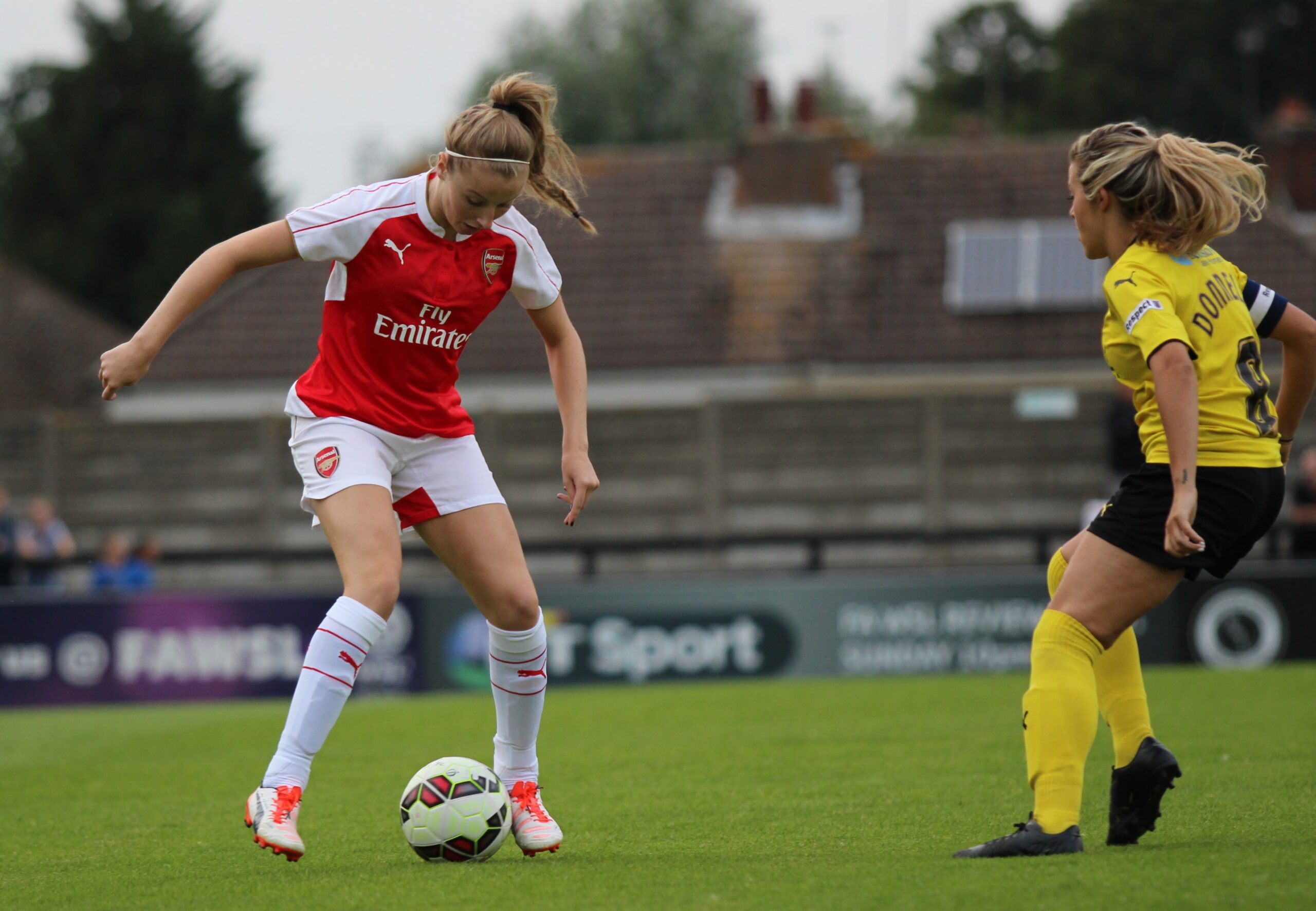
Apart from this, if you are interested to read an amazing article on Leah Williamson Net Worth, then visit our Sports category.