
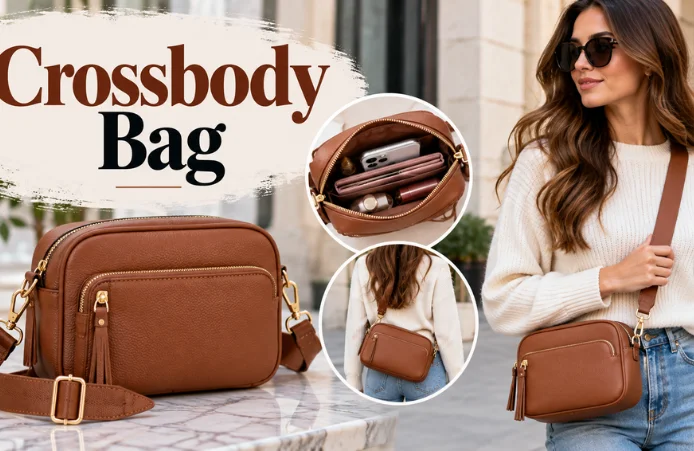

A crossbody bag combines hands-free comfort with enough storage for everyday essentials. Its long strap runs diagonally across your body, keeping the bag close while you walk, commute, shop, or travel. The right design can also work with casual outfits, office clothing, and smarter evening looks.
For UK shoppers, the main challenge isn’t finding one. It’s choosing the right size, material, strap, compartments, and shape for how you’ll use it. This guide explains those choices so you can find a bag that works beyond one season.
| Key feature | What to look for | Why it matters |
|---|---|---|
| Size | Space for your genuine daily essentials | Prevents unnecessary bulk |
| Strap | Adjustable and comfortable | Helps you position the bag correctly |
| Closure | Zip, flap, clasp, or secure fastening | Keeps belongings contained |
| Material | Leather, faux leather, nylon, or canvas | Affects weight, appearance, and care |
| Pockets | Useful internal organization | Makes smaller items easier to reach |
| Color | Neutral or wardrobe-friendly shade | Makes regular styling easier |
| Shape | Structured or soft | Changes the bag’s formality and capacity |
Quick answer: A crossbody bag is a compact or medium bag worn diagonally across the torso using a long strap. Good everyday options have an adjustable strap, secure closure, practical compartments, and enough room for your essentials. The ideal size depends on what you normally carry and where you’ll use it.
Why This Bag Style Works So Well for Everyday Use
The biggest advantage is simple: your hands stay free. That makes this bag style useful for shopping, commuting, walking through busy stations, or spending a day exploring a city. You don’t need to keep pulling a slipping shoulder strap back into position. Wearing a bag across your torso also keeps it relatively close to your body. You can position the main compartment at your hip or slightly towards the front.
This makes your phone, purse, keys, and travel essentials easier to reach. Versatility is another reason the style has lasted. Current fashion coverage includes everything from minimalist leather designs to utility bags and seasonal textures. British Vogue’s 2026 selection, for example, includes minimalist, raffia, and utility-inspired options at different price points.
Crossbody Bag Styles at a Glance
The label covers several shapes rather than one fixed design. Understanding the differences can make shopping much easier. Start with what you carry and the settings where you’ll use the bag.
| Style | Capacity | Typical look | Good for |
|---|---|---|---|
| Mini | Low | Compact and neat | Evenings and light days |
| Camera | Small to medium | Boxy and practical | Everyday use |
| Saddle | Small to medium | Curved and classic | Smart-casual outfits |
| Flap | Small to medium | Structured | Work and evenings |
| Sling | Small to medium | Sporty and relaxed | Travel and casual wear |
| Messenger | Medium to large | Practical | Commuting and busy days |
Mini designs work when you carry little more than a phone, cards, keys, and lipstick. Camera and saddle shapes provide extra space without becoming cumbersome. Larger messenger-inspired versions suit commuters who need additional storage. The shape also changes how formal the accessory feels. Structured designs usually pair easily with tailoring and smarter clothing. Softer nylon, canvas, and sling shapes tend to feel more casual.
How to Choose the Right Style for You
Start with function rather than appearance. A beautiful design won’t get much use if your phone barely fits or the strap becomes uncomfortable. Think through an ordinary day before deciding what you need.
Choose a Size Based on What You Carry
Empty your current handbag and separate the items you use every day. Your phone, purse, keys, earbuds, sunglasses, and small personal items probably form the core. Buy enough capacity for those items plus a little spare room. A compact design suits lighter days and evening plans. A medium option makes more sense when you carry a charger, small umbrella, cosmetics, or similar extras.
Larger styles can suit commuting, although additional weight may reduce the comfort advantage. Don’t assume more capacity automatically means better value. Extra room often encourages you to carry things you don’t need. A well-sized bag should hold your normal essentials without becoming packed or unnecessarily heavy.
Pay Attention to Strap Length
An adjustable strap gives you much more control over fit. Ideally, you should be able to position the bag around your hip or slightly above it. Your preferred position may change depending on your height, outfit, coat, and the bag’s shape. Strap width matters when you’re carrying more weight. A broader strap can distribute pressure across a larger area of your shoulder.
Slim straps can look elegant, but they may feel less comfortable with a heavier load. Check the maximum strap drop when buying online. This matters especially if you’re tall or plan to wear the bag over thick winter layers. UK wardrobes often need enough adjustment for both light summer clothes and bulky coats.
Look at the Closure and Compartments.
A zip closure is practical when you use public transport or spend time in crowded places. Flaps, clasps, and magnetic fastenings can offer easier access and a cleaner appearance. The right choice depends on how you balance convenience and security. Internal organization can matter more than overall size. A zipped pocket can hold cards or valuables, while separate sections stop keys from scratching other items.
Too many tiny compartments can become frustrating, so prioritize pockets you’ll genuinely use. External pockets can be useful for items you reach for frequently. Travel cards or other low-value essentials are easier to access there. Keep valuable items inside a secure main compartment.
Which Material Should You Choose?
Material affects appearance, weight, maintenance, and how the bag handles British weather. No single material suits every person. Consider how often you’ll carry it and how much maintenance you’re willing to do.
Leather
Leather usually looks polished and can suit both casual and smarter outfits. Good leather can develop character with wear rather than looking disposable. It does require suitable care, particularly after exposure to rain. A leather design may also weigh more before you’ve put anything inside. Check the empty weight when possible. That small detail can make a noticeable difference during a long day.
Faux Leather
Faux leather offers a similar structured appearance at a range of price points. It can work well for shoppers who prefer not to buy animal leather. Quality varies, so inspect stitching, edges, lining, and hardware rather than judging the surface alone. Care requirements depend on the material’s construction.
Follow the manufacturer’s cleaning instructions rather than using products intended for genuine leather. Keeping the surface dry and storing it carefully can help preserve its finish.
Nylon and Canvas
Nylon is useful when low weight and easy everyday carrying matter most. Many nylon styles suit travel, errands, festivals, and casual weekends. Water resistance varies by product, so don’t assume every nylon design is waterproof.
Canvas offers a relaxed appearance and can be durable for regular use. Pale canvas may show marks faster than darker fabric. Check the care instructions before choosing it for frequent commuting.
What Color Is Most Versatile?
Black remains easy to coordinate, but it isn’t your only practical option. Brown, tan, taupe, navy, burgundy, and olive can work as adaptable alternatives. Current 2026 fashion coverage also points towards richer shades, including chocolate, burgundy, and olive. Look at the clothes you already own before choosing. If your wardrobe contains mostly black, grey, navy, and cream, several neutral bag colors can work.
If you wear warmer, earthy colours, you may get more use from tan, chocolate, or olive. Bright colours can still be practical if they fit your wardrobe. A red or cobalt design may become a repeated accent rather than an occasional statement. How often you wear it matters more than following a temporary colour trend.
For more UK-focused fashion ideas, browse Trendara’s Fashion section. Its coverage includes style guides, accessories, beauty, and clothing topics for readers looking for practical inspiration.
How Should This Bag Fit?
The bag should sit where you can reach it without twisting your body. The hip is a useful starting point, though some people prefer a slightly higher position. Comfort matters more than following a rigid placement rule. Adjust the strap while wearing the clothing you’ll normally pair with the bag. A setting that works over a T-shirt may feel too short over a winter coat.
Test your normal walking movement before settling on the length. The bag shouldn’t bounce excessively or pull hard against one shoulder. If it does, shorten the strap, reduce the contents, or try a wider strap. Comfort is often a better indicator of correct fit than appearance alone.
Crossbody Bag vs Shoulder Bag: What’s the Difference?
The main difference is how each design is carried. A crossbody style uses a longer strap across the torso, while a traditional shoulder bag hangs from one shoulder. That changes both accessibility and how securely the bag stays in place.
| Feature | Crossbody | Shoulder bag |
|---|---|---|
| Wearing position | Across the torso | On one shoulder |
| Hands-free use | Excellent | Good |
| Strap | Usually longer | Usually shorter |
| Movement | Generally stable | May move or slip more |
| Typical use | Travel, errands, commuting | Work, everyday, occasions |
Neither design is automatically better. A shoulder bag can look clean and polished with office or evening clothing. The across-body design is often more convenient when movement and hands-free carrying are priorities.
How to Style One Through the Year
Spring outfits work well with lighter colours, compact shapes, and relaxed materials. Try a small neutral bag with denim, trainers, and a light jacket. The bag adds function without making a simple outfit feel overloaded. Summer creates opportunities for woven textures, canvas, and lighter shades. Compact designs are useful for festivals, city breaks, and long days outside.
Keep capacity realistic so you don’t carry unnecessary weight in warm weather. Autumn works naturally with leather, suede-look textures, and deeper colours. Chocolate brown, burgundy, olive, and black can pair well with knitwear and coats. A structured shape can also sharpen relaxed autumn layers.
Winter requires more attention to strap length. Make sure the strap extends comfortably over a padded coat or thick knitwear. A darker, easy-care finish can also be sensible during wet British weather. Trendara readers looking to coordinate bags with wider wardrobe choices can also explore the site’s guide to barrel jeans for women. Pairing proportions carefully helps a compact accessory feel intentional rather than disconnected from the outfit.
Choosing One for Work, Travel, or Nights Out
For work, choose enough room for the items you need between home and the office. A structured medium design in a neutral shade can fit easily with tailored trousers, dresses, or smart outerwear. If you carry a laptop, use a separate laptop bag rather than overloading a compact crossbody.
Travel calls for comfort, organisation, and secure fastening. A lightweight design with an adjustable strap and a zipped compartment keeps documents and daily essentials accessible. Position valuable items close to your body in busy transport hubs. For evenings, smaller proportions usually make sense because you’re carrying less.
A mini flap bag or chain-strap design can hold a phone, cards, keys, and a few personal items. Metallic hardware or a refined texture can make the style feel dressier.
Common Buying Mistakes to Avoid
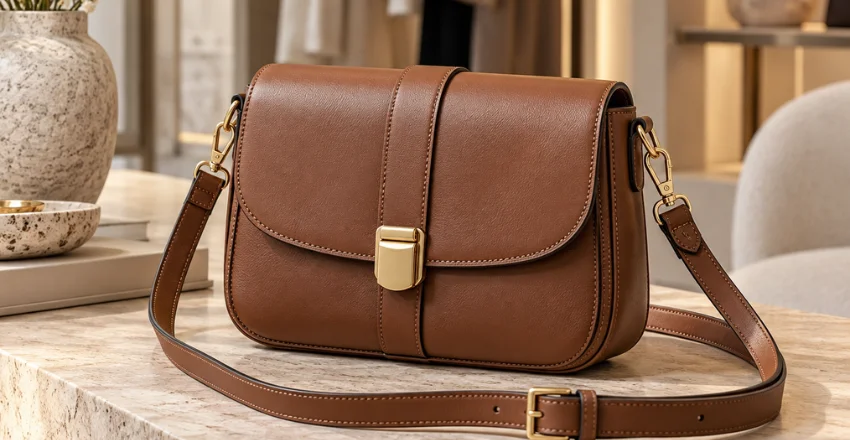
Buying for appearance alone is the easiest mistake. Always check dimensions rather than judging size from photographs. Product images can make a compact bag look much larger than it is. Ignoring the empty weight is another problem. Heavy hardware and thick materials can make a small design surprisingly tiring to carry. Remember that your belongings will add more weight once you start using it.
Don’t overlook strap adjustment or closure design either. These details affect the experience every time you carry the bag. A beautiful accessory that constantly slips, digs into your shoulder, or takes too long to open will probably stay in your wardrobe.
Is This Bag Style Worth Adding to Your Wardrobe?
For many people, the answer comes down to how often they need hands-free carrying. The style is particularly useful for commuting, shopping, travelling, walking, and casual social plans. Its broad range of shapes also means it doesn’t have to look sporty or purely functional.
Choose based on your real routine, not one outfit. A medium size, adjustable strap, secure fastening, and versatile colour can cover many situations. Those practical details can give you more wear than an eye-catching design that only suits occasional use. Trendara publishes practical guides across fashion and everyday lifestyle topics.
You can explore more ideas through the Trendara homepage or browse its dedicated fashion coverage when planning your next wardrobe update.
Find the Right Bag for Your Routine
The most useful bag isn’t necessarily the largest or most fashionable option. It should fit what you carry, sit comfortably, close securely, and work with clothes you already own. Those factors determine whether you reach for it once a month or almost every day. Start by choosing capacity, then compare strap adjustability, material, pockets, and closure.
Choose a colour and silhouette that suit several outfits, not just one specific look. For more practical UK fashion inspiration, continue exploring Trendara’s fashion guides.
Frequently Asked Questions About Crossbody Bags
What is a crossbody bag?
A crossbody bag has a long strap that runs diagonally from one shoulder to the opposite side of your body. Most styles sit around the waist or hip area. This wearing position keeps your hands free and your belongings relatively close.
Where should it sit?
The hip is a practical starting point for many people. The exact height should depend on your body, the bag’s shape, and what feels comfortable. Adjustable straps make it easier to change the position between different outfits.
Are they good for travelling?
They can be useful for travel because they keep both hands available for luggage, tickets, or your phone. Look for secure closures, useful internal compartments, and a comfortable adjustable strap. Keep valuables in secure pockets and stay aware of your belongings in crowded areas.
What size should I buy for everyday use?
Choose a size that holds the items you genuinely carry most days. Small styles suit a phone, keys, purse, and a few essentials, while medium designs provide room for extra personal items. Measure larger belongings before ordering online.
Can you wear one with a coat?
Yes, as long as the strap offers enough adjustment. Loosen it so the bag sits comfortably over the extra thickness of your coat. Check maximum strap length before buying if you expect to use it throughout a British winter.
Is the style still fashionable in 2026?
Yes, the style remains prominent in current UK fashion coverage. British Vogue and Glamour UK both featured crossbody selections in 2026, and current guides still cover styling and buying considerations. Individual shapes, colours, and materials change with seasonal trends, but hands-free functionality gives the category lasting appeal.